SouthernWorldwide.com – A recent study by the Federal Reserve Bank of Minneapolis has provided ammunition for minimum wage opponents, with critics highlighting the report’s findings that link significant minimum wage increases to job losses and reduced working hours in Minneapolis and St. Paul.
The study, published as a working paper, suggests that the phased implementation of higher minimum wages in these Twin Cities has had a negative impact on employment. This comes at a time when national efforts to mandate higher minimum wages are ongoing.
Researchers found that the minimum wage increases were associated with a decline in job numbers and a reduction in hours for some employees. This outcome has been met with widespread commentary, with many pointing out the perceived obviousness of the findings.
The debate is particularly relevant as progressive leaders continue to advocate for a higher federal minimum wage to combat the rising cost of living. Minneapolis first enacted its Municipal Minimum Wage Ordinance in 2017, with a plan to gradually increase the minimum wage to $15 per hour by July 2024.
As of January 1st, Minneapolis’ minimum wage reached $16.37 for all employers. Similarly, St. Paul’s minimum wage for large businesses also rose to $16.37 as part of its own phased wage increase.
The study’s authors emphasized that their employment decline findings persisted even after accounting for major disruptions like the COVID-19 pandemic and the civil unrest that followed the killing of George Floyd. These events significantly impacted businesses in the Twin Cities during the research period.
“We find that the increase in the minimum wage substantially decreased employment in restaurants, retail, and health, even after accounting for potential confounding effects from the pandemic and civil unrest,” the report stated.
The Minneapolis Fed analysis indicated that while the wage hikes did increase hourly pay, they also led to fewer available jobs and reduced working hours. Economists estimated that Minneapolis lost approximately 5,425 jobs and St. Paul lost about 3,797 jobs between 2017 and 2021 due to these minimum wage increases.
The restaurant industry appears to have been disproportionately affected. Data cited by the Minnesota Star Tribune from the Fed’s analysis showed that full-service restaurant jobs declined by nearly 36% in Minneapolis and nearly 20% in St. Paul between 2018 and 2023.
“We demonstrate that establishments with larger exposure of their labor costs to the minimum wage experienced larger increases in their wage and larger declines in their jobs, hours, and wage bill,” the economists concluded.
The findings have drawn sharp reactions on social media, with many users asserting that the report validates long-held concerns about the potential negative consequences of aggressive minimum wage mandates on employment levels and working hours.
Read more : Europe's View: Trump Made America Unreliable, But Reality is Harsher
“They swore the $15 minimum wage would be magical for everyone: higher pay, thriving businesses, cheaper happy hours. Instead, thousands of jobs are gone, restaurants gutted, and now we’re all paying more for the same thing as before except for worse service,” wrote one X user. “But sure, keep telling me economics is just a suggestion.”
Another user sarcastically commented, “You know what can fix this? Another wealth (aka middle class) tax.”
A different perspective suggested that significantly raising the minimum wage above market rates might offer temporary benefits to existing employees but ultimately leads to fewer overall hours, increased automation, and disadvantages for new job seekers. This user noted that this pattern has been observed before, citing Seattle as a previous example and Minnesota as the latest evidence.
“‘Workers are making more, but businesses are cutting back, research shows.’ Oh, really, you don’t say?,” posted a local radio host on X, expressing a sense of unsurprised cynicism.
Michael Holmstrom, a self-proclaimed grassroots conservative activist from Minnesota, shared on X, “‘Why didn’t anyone warn us?!!’ Oh wait, we did.”
The federal minimum wage has remained stagnant at $7.25 per hour since 2009, despite repeated calls from progressive lawmakers to increase it, with some proposals even suggesting a jump to $30 per hour.
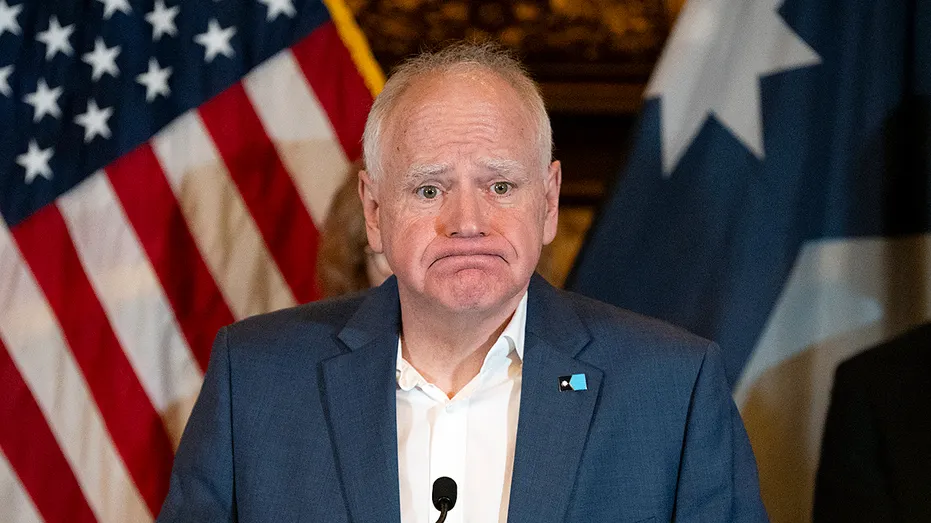
In 2018, Minnesota Governor Tim Walz, then a candidate, publicly supported a $15 minimum wage statewide, pledging to sign such legislation if elected. This advocacy was backed by a coalition of labor activists, progressive city council members, and community groups who raised concerns about the cost of living.
“My advocacy for a housing wage is directly tied to my support for a $15 minimum wage. $15 is an important place to start, but in many places across Minnesota, that still isn’t enough for families to make ends meet,” Walz stated on Facebook at the time.
These study findings emerge as progressive Democrats continue to advocate for raising the minimum wage significantly above the current federal level. Representative Alexandria Ocasio-Cortez, D-N.Y., has argued that a $15 minimum wage is no longer sufficient, while other lawmakers and city leaders have proposed figures ranging from $20 to $25 or more.