SouthernWorldwide.com – Many of the eating habits of American colonists during the nation’s founding are experiencing a resurgence in popularity today. These historical dietary practices centered on minimally processed, locally sourced whole foods and frequently included organ meats.
By the time the United States was founded, European explorers and settlers had already introduced livestock and various Old World crops to North America over the preceding centuries. Early colonists adapted their traditional European cooking methods, utilizing the ingredients readily available in their new environment, as reported by the Center for the Study of the Presidency and Congress (CSPC).
Indigenous peoples played a crucial role by introducing corn to the colonists, which quickly became a fundamental component in numerous recipes. Alongside corn, beans, squash, and potatoes were among the other crops that were integrated into colonial cuisine, according to the CSPC.
History Facts.com noted that cornmeal was a common ingredient in dishes such as hasty pudding, a thick porridge akin to polenta, and johnnycakes, which were simple griddle cakes enjoyed across the colonies from New England to the South.
The CSPC even offers recipes for distinctly early-American foods such as cornmeal johnnycakes, roast pork, and cream cheese on its website.
Regional customs and the specific crops that thrived in different areas significantly influenced the colonists’ diets. In the South, rice and okra were abundant and grew well, with French and African influences also shaping the local culinary traditions. Conversely, Dutch, English, and German immigrants primarily settled in the North, establishing the region’s unique culinary heritage.
For early settlers in Maryland, seafood such as rockfish and crab formed the dominant part of their diet, as reported by NPR.
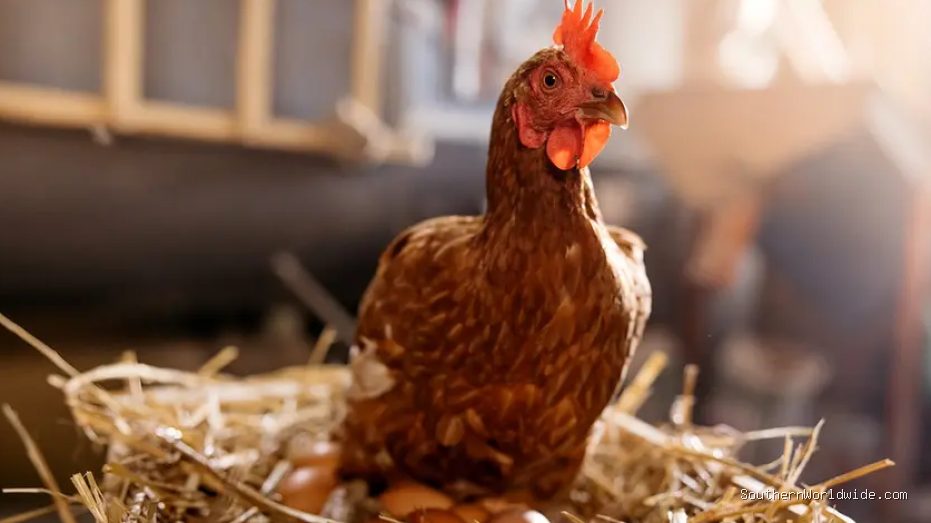
Local food historian Joyce White explained to NPR that meat was considered a status symbol. Beef was particularly valued, while chicken was often reserved for its egg-laying capabilities.
“If it’s your pig or cow coming from your plantation, you don’t want to waste it,” White commented.
Thomas Jefferson was known for his refined palate and a particular fondness for French wine and macaroni and cheese, according to NPR’s reporting. Historical records also indicate that black-eyed peas, turnip greens, and ham were part of the Founding Father’s regular diet.
For the working class, staples included salted and preserved fish and meats like bacon, sausage, liver pudding, and offal. In contrast, the upper classes could afford to indulge in more luxurious items such as white flour and sugar.
Interest in these traditional foods has seen a revival in recent years, as some Americans seek out diets that emphasize whole, minimally processed ingredients.
For example, proponents of the Make America Healthy Again movement have been championing organ meats, or offal, highlighting them as some of the most affordable and nutrient-dense foods available.
Stews, which evolved based on the availability of ingredients, were also a common feature of early American life.
Adrian Miller, author of “The President’s Kitchen Cabinet,” told NPR that the amount of alcohol consumed by colonists was “staggering.”
“They were very open about how much they were drinking,” he stated.
According to the library, “small beer” earned its name from the relatively low alcohol content it contained. It was also a beverage that could be made quickly and was safer to drink than water, as the brewing process helped to eliminate bacteria. It served as an “everyday, mainstay beverage,” the library reported.
“Colonial Americans often ate foods like salted ham, organ meats and other preserved meats out of necessity,” she explained. “Today, we know it’s best to limit processed and cured meats because they’re high in sodium and saturated fat, and organ meats, while nutrient-dense, are best eaten in moderation due to their high cholesterol content.”
Young recommended focusing on the healthiest aspects of the 1776 diet, which includes a generous intake of fruits and vegetables, beans, whole grains, fish, and lean proteins.
“Of course, you can emulate the Founding Fathers’ diet for the week of the 250th anniversary,” she suggested. “What you eat for a day or a week won’t matter much in the scheme of things.”
Young also noted that some of the Founding Fathers frequently consumed ale, often starting their day with it.
“We shouldn’t emulate that,” she advised.