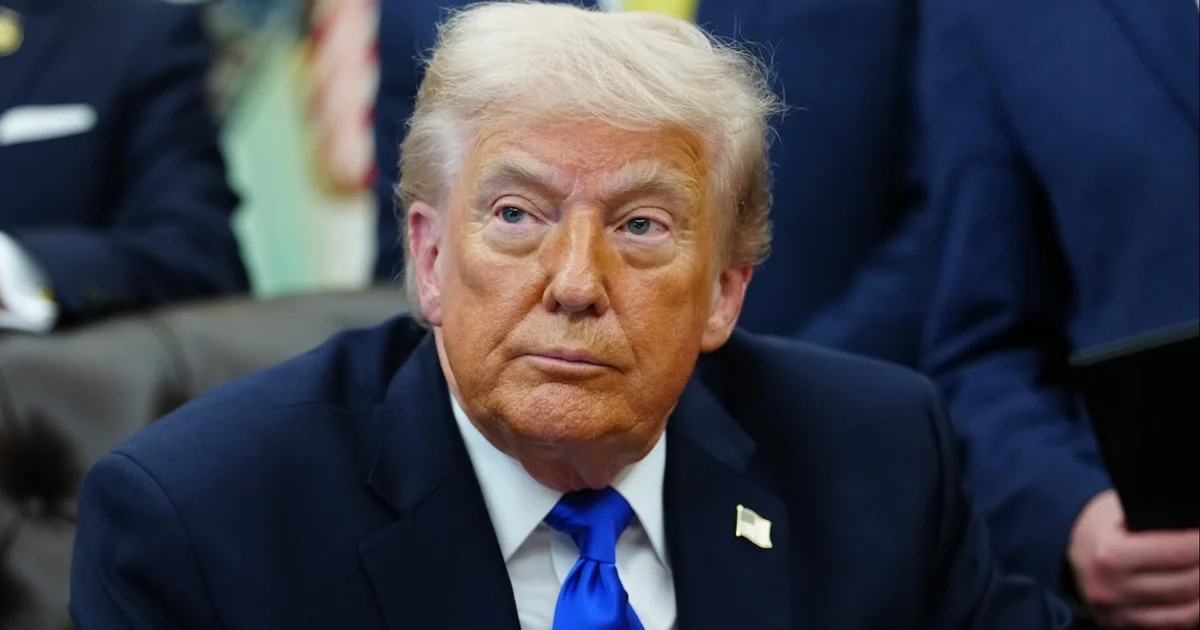
SouthernWorldwide.com – The White House is sending conflicting signals regarding a potential military operation against Iran, with President Trump announcing a pause on U.S. actions in the Strait of Hormuz just two days after they began.
President Trump stated that the pause is intended to facilitate a “complete and final” agreement with Iran.
This development follows reports from Holly Williams, who detailed the U.S. operation in the critical waterway.
The mixed messages come at a tense moment in U.S.-Iran relations, with the Strait of Hormuz being a vital chokepoint for global oil supplies.
The U.S. had initiated an operation to provide additional support to naval vessels transiting the strait, a move seen as a response to recent provocations by Iran.
However, the President’s decision to pause this operation signals a potential shift in strategy, prioritizing diplomatic efforts over immediate military action.
Trump’s emphasis on achieving a “complete and final” agreement suggests a desire to resolve the underlying issues with Iran through negotiation.
This diplomatic approach contrasts with the more assertive posture the U.S. has sometimes adopted towards Iran.
The situation remains fluid, and the effectiveness of this pause in de-escalating tensions is yet to be determined.
The international community is closely monitoring developments, as any escalation in the region could have significant global economic consequences.
The Strait of Hormuz is responsible for the transit of approximately 30% of the world’s seaborne oil.
Recent incidents involving Iran’s seizure of oil tankers and attacks on commercial shipping have heightened concerns about maritime security in the region.
The U.S. has been working with allies to form a maritime coalition to deter further Iranian aggression.
However, the extent of international participation and the specific mandates of such a coalition have been subjects of ongoing discussion.
President Trump’s announcement may indicate a preference for a less militarized approach, at least in the short term.
This could be an attempt to create space for dialogue and to avoid actions that might provoke a wider conflict.
The President’s “America First” foreign policy has often prioritized negotiation and transactional diplomacy.
Applying this approach to Iran could mean seeking a deal that addresses U.S. security concerns while potentially offering some concessions to Tehran.
The details of any potential agreement remain unclear, as do the specific terms of the paused operation in the Strait of Hormuz.
Critics of the administration’s approach have expressed concerns that mixed signals could embolden Iran or confuse allies.
Conversely, supporters might argue that this flexibility demonstrates a pragmatic approach to a complex geopolitical challenge.
The role of diplomacy in resolving disputes with Iran has been a long-standing debate, particularly following the U.S. withdrawal from the Joint Comprehensive Plan of Action (JCPOA) in 2018.
The administration has sought a new deal that addresses Iran’s ballistic missile program and its regional activities, in addition to its nuclear program.
Iran, however, has largely resisted renegotiating the terms of the JCPOA or engaging in broader discussions on these issues.
Read more: Taxpayer Funds for Ballroom Expansion Proposed by Republicans
The President’s decision to pause military operations could be a tactic to encourage Iran to return to the negotiating table under more favorable terms for the U.S.
The coming days and weeks will likely reveal more about the administration’s intentions and Iran’s reaction to this diplomatic overture.
The impact on regional stability and global energy markets will be closely watched.
The mixed messaging underscores the delicate balance the U.S. is attempting to strike between deterrence and diplomacy in its policy towards Iran.
President Trump’s public statements often reflect a dynamic and sometimes unpredictable approach to foreign policy, making it challenging for both allies and adversaries to ascertain the administration’s definitive strategy.
The pause in the Strait of Hormuz operation is a significant development that could signal a new phase in U.S.-Iran relations.
Whether this diplomatic opening will lead to a lasting resolution or a temporary reprieve remains to be seen.
The strategic importance of the Strait of Hormuz means that any disruption to its traffic has immediate and far-reaching economic implications.
The U.S. military presence in the region is designed to ensure the free flow of commerce and to deter state-sponsored aggression.
The effectiveness of these measures is often debated, particularly in the context of evolving regional dynamics.
President Trump’s personal diplomacy style has been a hallmark of his presidency, often involving direct communication and a focus on achieving specific deal outcomes.
This approach has yielded both successes and criticisms in various foreign policy arenas.
The announcement regarding Iran reflects this characteristic style, aiming to leverage a pause in military action to achieve a diplomatic breakthrough.
The coming days will be critical in assessing whether this strategy proves effective in promoting stability and achieving the administration’s stated goals with Iran.
The international community will be watching closely to see how this diplomatic gambit unfolds.
The U.S. remains committed to ensuring freedom of navigation and deterring destabilizing activities in the Persian Gulf.
The pause in operations is a clear signal of the President’s willingness to explore diplomatic avenues.
However, the underlying tensions and unresolved issues between the U.S. and Iran persist.
The administration’s ultimate objective is to prevent Iran from acquiring nuclear weapons and to curtail its destabilizing activities in the region.
The pause in the Strait of Hormuz operation is one element of a broader, multifaceted strategy.
The world awaits further developments to understand the long-term implications of this latest move.