SouthernWorldwide.com – The allure of immortality and the crushing weight of heartbreak are two sides of the same coin at the Indianapolis 500, a race that amplifies every emotion for its drivers.
The anticipation for the next Indy 500 begins the moment the checkered flag falls on the previous year’s race. Thirty-two drivers are already waiting for their chance to etch their names into racing history, while one driver aims to defend their hard-won title.
Held at the Indianapolis Motor Speedway, the largest sports venue on Earth, the 110th running of this iconic race solidifies its status as the pinnacle of achievement for any driver fortunate enough to participate.
Winning the Indy 500 is a life-altering event. Drivers feel this profound significance with every lap they complete on the hallowed grounds of the Speedway.
The immense effort and countless hours dedicated by the team to prepare and optimize the car only add to this intense feeling.
Leading any INDYCAR race is a significant accomplishment, but leading the Indy 500 offers an unparalleled thrill.
The first time a driver takes the lead at Indianapolis, an uncontrollable smile often breaks through their helmet, almost as if they can hear the roar of the crowd above the engine’s din.
Heart rates surge, and adrenaline flows with a heightened intensity unmatched elsewhere.
The author vividly recalls leading the 2016 race into Turn 1 at the start, witnessing the grandstands erupt with energy.
After two weeks of seeing those stands largely empty and gray, they transform into a vibrant, living entity, taking the driver’s breath away – if only for a fleeting second before refocusing on the corner ahead at over 200 mph.
Qualifying on pole, leading laps, and ultimately winning the Indy 500 carry a weight of significance that is amplified by the history and prestige of IMS.
This track, more than any other, allows drivers to experience the absolute highest of highs.
However, this elevated elation comes with a stark and unavoidable counterpoint.
For every peak of positive emotion, there is a corresponding low that can be equally, if not more, devastating.
A disappointing Indy 500 performance lingers far longer and weighs much more heavily on a driver’s mind, presenting one of the most significant emotional hurdles to overcome.
The author recounts their rookie year, crashing out of the Indy 500 near the halfway mark. The moment of losing control and hitting the wall marked the lowest point in their career.
In that instant, there was an almost desperate, mental refusal to accept the reality of what had just transpired.
The subsequent realization of the crash’s finality brought a wave of unparalleled devastation for a driver.
Whether a mid-race incident like the author’s, a near-miss with only a few laps remaining as seen with Pato O’Ward in 2023, or even a pre-race incident like Scott McLaughlin’s last year, the feeling of a failed Indy 500 is arguably the most emotionally taxing experience for an INDYCAR driver.
The extreme highs experienced at Indianapolis are intrinsically linked to the potential for the lowest of lows.
Achieving second place at any other track might be considered a solid result, but at Indy, it is a searing dagger to the heart.
Footage of drivers who have finished second in recent years powerfully illustrates this profound disappointment.
These visual records speak volumes, conveying narratives of immense pain and shattered hopes.
Despite the potential for such crushing defeats and the depth of the lows, every driver would readily face that pain for even a chance at experiencing the ultimate glory.
It is crucial to remember that racing is fundamentally a team sport. This collective effort is perhaps most evident at the Indy 500, involving everyone from fabricators and truck drivers to commercial staff, PR teams, mechanics, and engineers.
The rigorous preparation leading up to the Month of May is just the beginning; the true high-pressure phase commences once a driver qualifies for the race.
While typical INDYCAR races involve discussions of two or three pit stops, the Indy 500 can necessitate six, seven, or even eight stops, making exceptional pit lane performance a non-negotiable requirement for victory.
Teams invest additional hours in meticulously practicing pit stop execution specifically for the Indy 500.
Carb Day even features an official Pit Stop Competition, a significant point of pride for the crews who perform the “over the wall” tasks.
These pit crews often work with physical and sometimes mental coaches to optimize their performance on race day.
The environment on pit lane is one of extreme pressure. Tasks like changing tires, refueling, and operating the air jack are inherently tense.
However, these pit crews operate not in a calm setting, but in a confined concrete alley with race cars hurtling by at 60 mph, all vying for an advantage off pit lane.
The fact that these crew members are exposed to over 30 cars traveling at highway speeds mere inches from their bodies – protected only by fire suits and helmets – significantly intensifies the pressure.
Like the drivers, pit crews understand that any minor error or unforeseen issue can jeopardize their shot at glory.
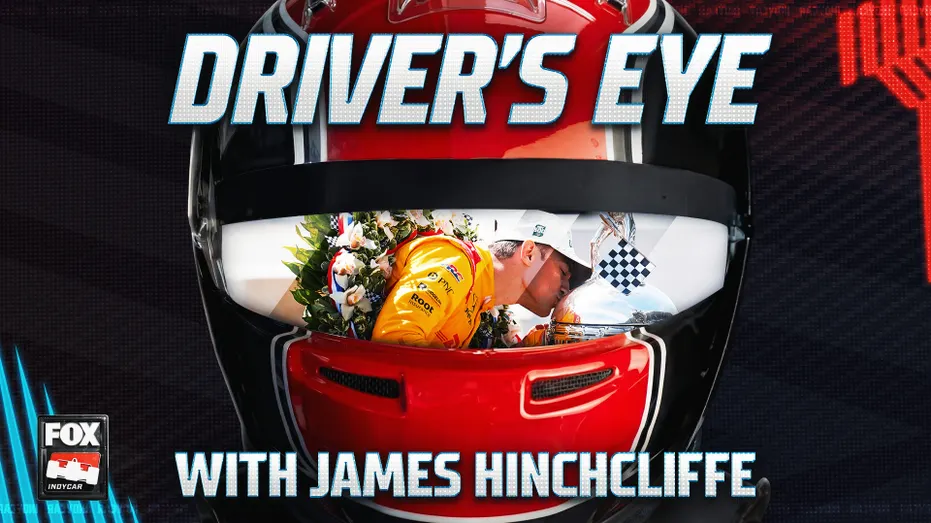
Therefore, when a driver is seen celebrating with their chosen milk in Victory Lane, it’s important to recognize that every team member sharing in that triumph played an equally vital role.
The author has been fortunate enough to experience the Indy 500 from three distinct perspectives: as a fan, a driver, and now as a broadcaster.
As a child, watching the race and cheering for heroes was not only an entertaining way to spend a Sunday in May but also a valuable opportunity to bond with friends and family.
It provided a shared experience, a chance to unite in support of a driver and to later recount, “I was there when that driver’s life changed.”
The author’s 11 years as an INDYCAR driver provided a profoundly different appreciation for the event.
Having played even a small part in the storied history of this great race is a source of immense pride.
The unparalleled history of the Indy 500 is undoubtedly why it holds such deep meaning for any driver lucky enough to compete.
Now, as a broadcaster, the author has the privilege of helping to convey the on-track action and its significance to millions of viewers at home.
Many aspects of the race and its traditions are cherished. While the author’s favorite part has evolved from fan to driver to broadcaster, the race will always hold a special place in their heart.
For further evidence of INDYCAR drivers embodying the spirit of modern-day gladiators, one need only look at Alexander Rossi.
Following a stellar qualifying performance that secured him and his team second place, Rossi suffered injuries in a practice crash. He required surgery on his left hand and right foot.
Despite crashing at speeds exceeding 200 mph and now bearing scars and metal implants, he intends to compete in the 110th running of the Indy 500 from the middle of the front row.
There is no fear, no hesitation, only a singular focus on returning to Victory Lane, a place he last visited a decade ago as a rookie winner.
This potential comeback story would undoubtedly be one worthy of a Hollywood script.
Read more : MIKE DAVIS: Kilmar Abrego Garcia, Democrats' Patron Saint of Human Trafficking
MORE DRIVER’S EYE: