SouthernWorldwide.com – As SpaceX, the aerospace giant founded by Elon Musk, moves towards its initial public offering (IPO), residents in Texas, particularly those living near its Starbase headquarters, express a variety of sentiments regarding the company’s presence.
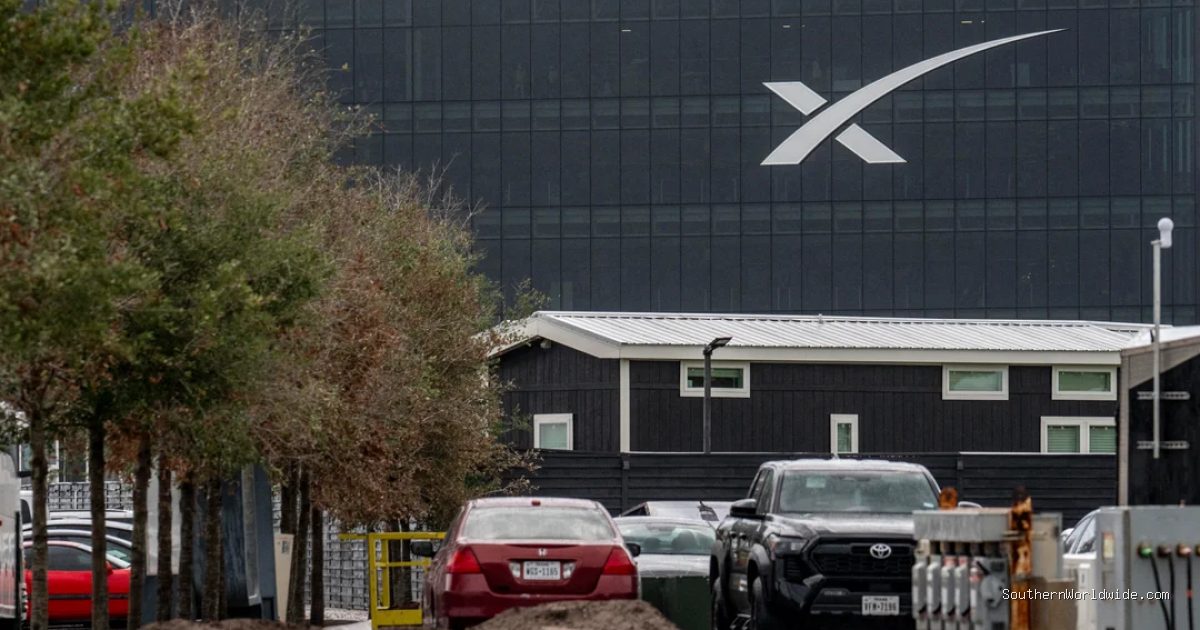
SpaceX’s Starbase facility, situated at the southernmost tip of Texas in the Rio Grande Valley, becomes visible only after traversing miles of desolate, dusty roads. This area was previously recognized for its rich coastal wildlife and popular bird-watching spots.
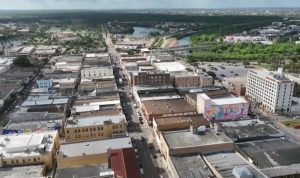
Local accounts suggest that prior to SpaceX’s establishment, the region comprised only a few dozen homes, primarily occupied by retirees during the winter months. The closest major urban center, Brownsville, is located over 20 miles away, directly on the border with Matamoros, Mexico.
The contrast between Starbase and Brownsville is striking. Starbase operates as a company town, attracting a workforce largely composed of individuals who have relocated from cities like Austin and San Francisco, drawn by employment opportunities rather than the natural attractions.
In contrast, Brownsville is characterized by a predominantly Latino population whose livelihoods are predominantly tied to farming and shrimping industries. Despite these differences, the two areas share essential resources, with some SpaceX employees choosing to reside in Brownsville and enroll their children in local schools.
SpaceX currently employs over 4,000 individuals at its Starbase operations, with approximately 70% of this workforce originating from the local area, according to company records. The company has ambitious plans to nearly double its employee count to around 8,000 this year.
The company’s trajectory saw a significant acceleration on Friday with its highly anticipated IPO, which marked the largest initial public offering in history. This move has propelled SpaceX’s market valuation beyond $2 trillion, simultaneously making its founder, Elon Musk, the first individual to achieve a net worth of at least $1 trillion.
Marco Colorado, the proprietor of El Buen Pescador restaurant in nearby Port Isabel, Texas, has observed a positive impact on his business. He notes that SpaceX employees, along with other visitors attracted by the rocket launches, contribute significantly to his customer base.
“Whenever there’s a launch or an event going on, we get flooded,” Colorado stated, adding that SpaceX employees are easily identifiable, often arriving in Tesla vehicles.
At Double Day Bar of Champions, a restaurant and bar in Port Isabel that also houses a sports memorabilia museum, owner Mikael Hinojosa has experienced a similar upswing in patronage. Hinojosa characterizes the business generated by SpaceX as a “new type of tourism.”
On days featuring rocket launches, patrons congregate on the patio to witness the liftoffs before moving inside to watch the rockets’ ascent on television. However, Hinojosa also points out a less desirable consequence: “It’s been positive for the business, but there’s a downside to it. In our museum, cannonballs fall over when there’s a launch. We don’t want to ruin the tourism we already had.”
Conversely, some Brownsville residents voice stronger criticisms regarding the effects of Starbase and SpaceX on the local community. The environmental activist group Save RGV (Rio Grande Valley) asserts that the company’s rocket launches have resulted in debris falling on nearby homes, disrupted local wildlife, and negatively impacted air quality.
Etienne Rosas, a native of Brownsville who recently ran for Congress in Texas’s 34th district, also highlighted the surge in housing prices across the Rio Grande Valley, attributing it to SpaceX’s expansion and the subsequent home purchases by its employees. Data from Zillow indicates that the average home price in Brownsville has risen by nearly 75%, from $112,705 in 2018 to $196,920 in 2026.
“While SpaceX has created more economic momentum, there’s been a huge gap widening in equality,” Rosas commented.
The presence of SpaceX has also led to a transformation of downtown Brownsville, attracting new investments and developments geared towards a tech-savvy demographic. Nevertheless, Rosas contends that these jobs and investments have come at a cost to families who have been long-term residents of the region.
“Brownsville had a certain dynamic pace, and now that’s gone,” he concluded.