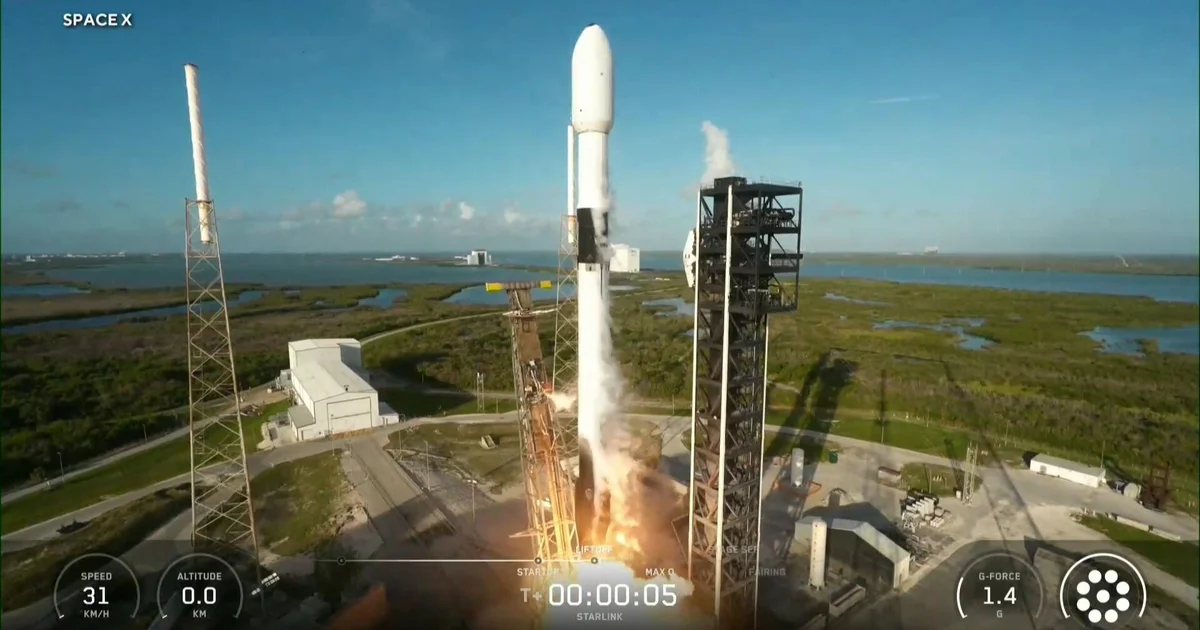
SouthernWorldwide.com – The burgeoning space economy is witnessing significant growth, with companies like Elon Musk’s SpaceX at the forefront, preparing for a potential public offering. This development underscores the increasing commercialization and investment interest in space exploration and related technologies.
SpaceX’s potential IPO is a major indicator of the rapidly expanding “space economy,” a sector encompassing a wide range of activities from satellite launches and space tourism to asteroid mining and orbital manufacturing.
The space economy is no longer the exclusive domain of government agencies. Private companies are increasingly driving innovation and investment, creating new markets and opportunities.
Elon Musk, the visionary behind SpaceX, has consistently pushed the boundaries of what’s possible in space. His company has achieved remarkable milestones, including reusable rocket technology and ambitious plans for Mars colonization.
The upcoming IPO of SpaceX is expected to be a landmark event, potentially valuing the company at hundreds of billions of dollars. This would reflect the immense confidence investors have in the future of private space ventures.
Beyond SpaceX, numerous other companies are making significant strides in the space sector. Blue Origin, founded by Jeff Bezos, is also developing reusable rocket technology and aiming for space tourism.
Companies like Rocket Lab are focusing on smaller, more frequent satellite launches, catering to a growing demand for dedicated launch services.
The satellite industry itself is a massive component of the space economy. Companies are deploying vast constellations of satellites for various purposes, including global internet access, Earth observation, and communication.
OneWeb, for instance, is building a satellite constellation to provide high-speed internet access to underserved regions worldwide.
Furthermore, the concept of space tourism is rapidly transitioning from science fiction to reality. Companies are offering suborbital and orbital flights for private citizens, opening up space to a new demographic.
Virgin Galactic, founded by Richard Branson, has been a pioneer in this area, conducting successful test flights and preparing for commercial operations.
The potential for asteroid mining also represents a significant future growth area within the space economy. Asteroids are rich in valuable resources, such as rare earth metals and water, which could be critical for sustaining long-term human presence in space.
Companies like AstroForge are already exploring technologies and strategies for asteroid resource extraction.
Orbital manufacturing and in-space servicing are other emerging sectors. The ability to build and repair satellites or other structures in orbit could revolutionize space infrastructure and maintenance.
The growth of the space economy is not without its challenges. High costs, regulatory hurdles, and the inherent risks of space travel are significant factors that need to be addressed.
However, the rapid pace of technological advancement and the increasing number of private players entering the market suggest a strong trajectory for continued expansion.
The potential public offering of SpaceX is a testament to this growth, signaling a new era where space is increasingly accessible for commercial endeavors.
This influx of private capital and innovation is expected to accelerate progress across all facets of the space economy, from launch capabilities to in-space resource utilization.
The broader implications of a robust space economy include advancements in technology, the creation of new jobs, and the potential for humanity to become a multi-planetary species.
As SpaceX prepares to go public, the world watches with anticipation, eager to see how this pivotal moment will shape the future of space exploration and commerce.
The increasing accessibility and affordability of space technologies are democratizing access to space, allowing a wider range of entities to participate in this exciting frontier.
The competition among private companies is fostering innovation, driving down costs, and pushing the envelope of what is technically achievable in space.
This competitive landscape is beneficial for the overall growth and development of the space economy.
The success of companies like SpaceX is paving the way for future ventures and attracting further investment into the sector.
The space economy’s rapid expansion is a significant development, promising to reshape industries and expand human horizons in the coming decades.
The focus on reusability, spearheaded by SpaceX, is a key factor in making space access more economical and sustainable.
This cost reduction is crucial for enabling a wider array of commercial activities in space.
The potential for significant returns on investment is attracting both established corporations and venture capitalists to the space sector.
The future of the space economy appears bright, driven by technological breakthroughs and a growing appetite for exploration and commercialization.
SpaceX’s IPO is not just a financial event; it’s a milestone that could catalyze further growth and inspire a new generation of space entrepreneurs.
The transition from government-led space missions to a more commercially driven model is a defining characteristic of this new era.
This shift is enabling faster innovation cycles and a more agile approach to space development.
The global implications are vast, with potential benefits ranging from improved communication and environmental monitoring to the exploration of new frontiers and resources.
The space economy is poised to become a major driver of global economic growth in the 21st century.