SouthernWorldwide.com – The United States, in collaboration with allied nations like the U.K. and France, implemented two no-fly zones over Iraq during the 1990s. These measures were established following the first Gulf War, which was triggered by Iraq’s invasion of Kuwait in 1990, and remained in effect until the conclusion of major combat operations in Iraq after the 2003 invasion.
The northern no-fly zone was initiated in April 1991. The southern zone was established in August 1992. The primary objective of the northern zone was to shield Iraqi Kurds from further retaliation by Saddam Hussein. The southern zone was created to safeguard the Shia populations in that region, who had been subjected to massacres by Saddam after his significant defeat by the “Coalition of the Willing” during the “100 Hours” campaign to liberate Kuwait.
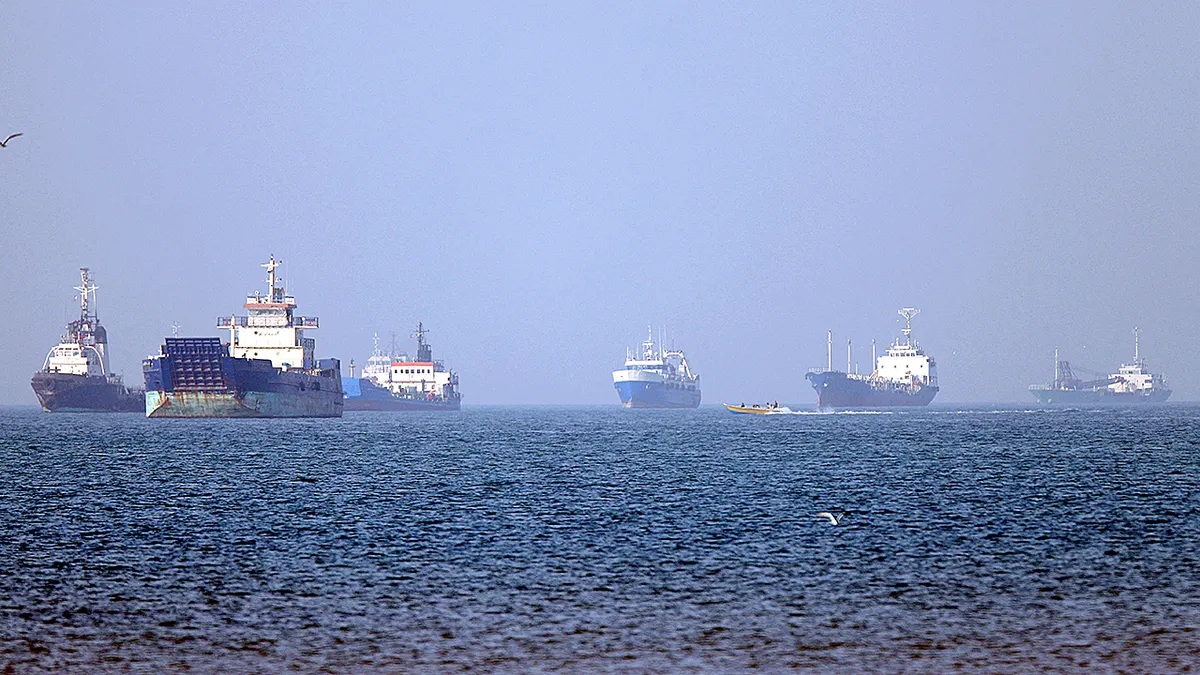
These two operations were characterized as low-intensity conflicts and persisted for several years. The current situation suggests it is time to revive similar operational strategies. The Strait of Hormuz is a vital international waterway, historically safeguarded by customary law of the sea. However, it has never been entirely free from threats, whether from pirates or, since the Iranian Revolution in 1979, from the forces of the Islamic Republic of Iran.
While the Iranian navy’s principal vessels have been neutralized, the Iranian Revolutionary Guards Corps (IRGC) continues to pose a threat to shipping in the Strait. They employ tactics involving mines, drones, and missiles, encompassing both short-range and longer-range capabilities. The U.S. and its allies are capable of and should resume combat operations targeting the IRGC.
Baca juga di sini: Home-based low-impact exercises can help lower blood pressure
The remaining elements controlling the IRGC or its components need to be decisively dismantled to a greater extent. They currently do not grasp the magnitude of their defeat and may even embrace martyrdom, a fate that should be readily facilitated. Their offensive capabilities, including guns and missiles, can be rendered inoperable. The sooner President Donald Trump authorizes such action, the more beneficial it will be.
Following the conclusion of major combat operations, a “no-fire” zone should be implemented. This zone should extend at least one hundred miles inland from the coast of the strait. This distance is sufficient to provide a sustainable defense against the majority, if not all, of Iran’s remaining arsenal. Should firing persist, the allies will need to enforce a “no-movement” zone within the same area.
The Strait of Hormuz is of paramount importance to the global economy and all nations. It is imperative to prevent a rogue regime, incapable of exercising command and control over its armed forces, from operating in close proximity to the shore. The establishment of a “no-fire/no-movement” zone will necessitate sustained U.S. operations over a period of time.
This initiative will also serve as a crucial test for the continued relevance and effectiveness of NATO as an alliance. If NATO members fail to contribute their fair share to the policing of the strait, the financial burden will fall solely upon the United States.
Should this scenario materialize, Europe—more than 80 years after the end of World War II and over 30 years after the dissolution of the Soviet Union—will need to bear its own costs. This is particularly relevant if the responsibility for securing international waterways becomes an exclusively American undertaking. The U.S. can manage this burden, along with the deterrence of China in the Pacific.
If compelled to proceed without European assistance, beyond mere symbolic contributions, it will be time to inform the Atlantic alliance that its era of dependency is over. This sentiment is shared by many conservative thinkers. Europe’s geopolitical landscape has evolved, not that of the U.S., and America must prioritize its own interests above all else.
This includes supporting a wealthy but seemingly complacent European elite that appears to believe it is entitled to American protection, irrespective of their own inadequate defense policies and their neutral stance in the conflict with Iran. This represents a pivotal moment for the Western world.
It should not be surprising if alliances in the Gulf, akin to “the Quad” in the Pacific, take the lead or even exclusive roles alongside the United States. Ingratitude has consequences. Europe has experienced such repercussions, especially after being rescued multiple times from dictators intent on suppressing the freedoms of people west of Russia.
It is not a historical imperative that the “new world” must always come to the defense of the old, particularly when the old world is fully capable of self-sufficiency. The burden of protection should not perpetually fall upon the United States when other nations possess the means to contribute significantly.