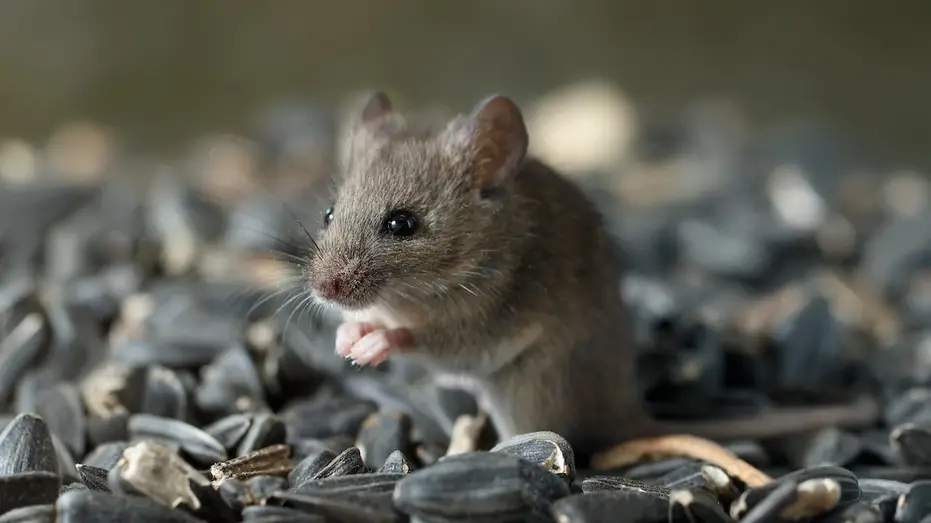
SouthernWorldwide.com – A recent study has indicated that the risk of hantavirus exposure in certain parts of the United States might be underestimated. Researchers have identified unexpectedly high levels of hantavirus in rodent populations in the Pacific Northwest, suggesting a potentially greater risk for surrounding agricultural communities.
The Palouse region, encompassing areas of eastern Washington and north-central Idaho, has shown the highest prevalence. Scientists from Washington State University’s College of Veterinary Medicine were surprised to find elevated levels of the Sin Nombre virus (SNV) in local rodents.
SNV is the strain most closely associated with hantavirus pulmonary syndrome (HPS), a severe and sometimes fatal illness in humans. The findings were published in the journal Emerging Infectious Diseases in 2026.
During the summer of 2023, researchers collected samples from 189 rodents, including deer mice, voles, and chipmunks. These samples were gathered from eight farms and two forest sites within the study area.
The analysis revealed that nearly 30% of the sampled rodents showed signs of previous exposure to the virus. Furthermore, approximately 10% had active infections at the time of sampling. Importantly, infected rodents were found in both farm environments and natural wilderness settings.
While deer mice are typically considered the primary carriers of hantavirus pulmonary syndrome, the study noted infections across multiple rodent species. This observation suggests that the Sin Nombre virus may be more widespread in the region than previously understood.
Stephanie Seifert, the study’s lead author and principal investigator, expressed surprise at the virus’s prevalence in the region and the limited existing data for the Northwest. She highlighted that the understanding of this virus’s complexity within rodent populations in the area is still in its early stages.
The Sin Nombre virus, the most common hantavirus in the U.S., is primarily transmitted to humans through the inhalation of airborne particles from infected rodent urine, droppings, or saliva. It is not known to spread directly from person to person.
This transmission route differs from that of the Andes virus. The Andes virus is the only known hantavirus capable of spreading between people through close and prolonged contact, as seen in a recent outbreak on a cruise ship.
Dr. Sonja Bartolome, a pulmonary and critical care expert at UT Southwestern Medical Center, pointed out that hantavirus infections have remained rare since national tracking began in 1993. Between 1993 and 2022, only 864 cases were reported nationwide.
Dr. Bartolome emphasized the importance of research that enhances the understanding of how the virus spreads. She stated that studies comparing viral genetic sequences across different regions and animal species are crucial for clarifying the virus’s geographical movement and its transmission between species.
While similar findings have been reported in other areas, this study is the first to identify this specific pattern in the Pacific Northwest. Dr. Bartolome reiterated the necessity of precautions when cleaning areas with evidence of rodent activity, as human contraction typically occurs through exposure to aerosolized rodent waste.
The study did acknowledge certain limitations. Primarily, it focused solely on infection rates in rodents and did not assess the risk of human transmission. Additionally, the samples were collected only from the Palouse region, meaning the findings may not be generalizable to the entire Pacific Northwest.
The research was also conducted over a single season, which means the conclusions do not reflect year-round data on virus prevalence. These limitations suggest a need for expanded hantavirus monitoring in the Pacific Northwest, particularly in agricultural zones.
The researchers recommend implementing preventive measures to reduce rodent exposure for individuals living and working in rural and agricultural settings. They also suggested that longer-term studies would be beneficial in understanding how environmental conditions and seasonal changes influence the virus’s prevalence.
Pilar Fernandez, a co-author of the study and a disease ecologist, noted that people might be exposed to the virus more frequently than is currently realized. However, severe cases are more likely to be tested for hantavirus, creating a gap in understanding.
Read more : Son of Mango Founder Denies Killing Him
Fernandez concluded that understanding how exposure translates into disease is the critical next step in addressing the hantavirus risk.