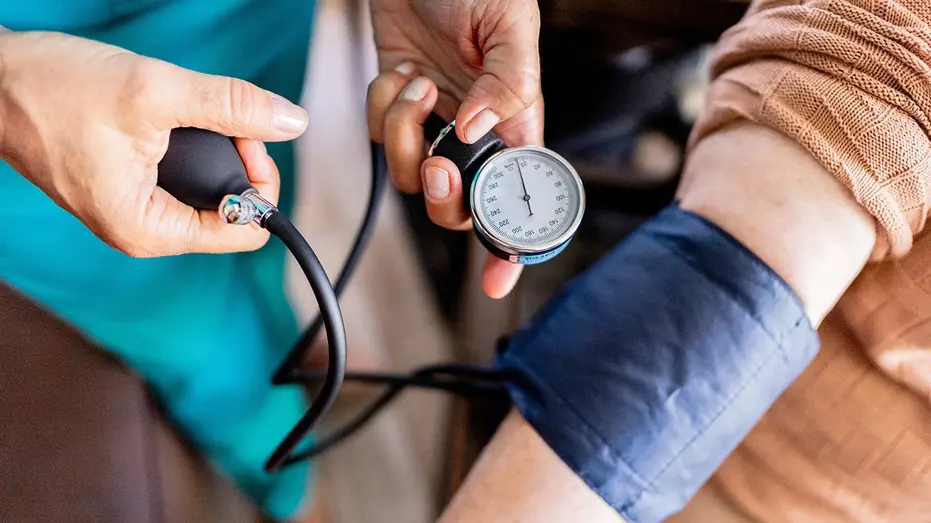
SouthernWorldwide.com – A centuries-old Chinese movement practice, known as Baduanjin, is demonstrating significant potential in reducing blood pressure, with research indicating its effectiveness is comparable to certain medications.
Baduanjin, which has been a common practice in China for at least 800 years, involves a sequence of eight gentle, slow movements. This exercise also incorporates mindful breathing and meditation, and can typically be completed in approximately 10 minutes.
A clinical trial was conducted involving 216 adults aged 40 and above who were diagnosed with Stage 1 hypertension. Over a one-year period, participants engaged in one of three activities: practicing baduanjin, performing self-directed exercises, or brisk walking.
The study revealed that individuals who practiced baduanjin five times a week experienced a noticeable decrease in their blood pressure within three months. These findings were published in a report by the American College of Cardiology.
The researchers noted that the blood pressure reductions observed were “comparable to reductions seen with some first-line medications.” Furthermore, baduanjin demonstrated “comparable results and safety profile to brisk walking at one year.”
Jing Li, M.D., Ph.D., the senior author of the study, stated that “Given its simplicity, safety and ease at which one can maintain long-term adherence, baduanjin can be implemented as an effective, accessible and scalable lifestyle intervention for individuals trying to reduce their [blood pressure].”
Dr. Matthew Saybolt, medical director of the Structural Heart Disease Program at Hackensack Meridian Jersey Shore University Medical Center, expressed surprise at one aspect of the study’s findings.
Read more : Solo's Victory at 151st Preakness
Dr. Antony Chu, a clinical assistant professor at Brown University’s Warren Alpert School of Medicine, whose parents are immigrants from Hong Kong and Taiwan, offered his perspective.
“[These researchers] are taking a lot of things that have been commonplace for many, many centuries or millennia and then just applying mathematical modeling and statistical analysis to sort of give [them] some credibility,” Chu commented.
He further elaborated on the differing philosophies of Eastern and Western medicine. Chu described Western medicine as “reactionary,” drawing an analogy to a house on fire. He suggested that Eastern medicine practitioners focus on preventing the fire, while Western medicine is more geared towards extinguishing it once it has started.
According to Saybolt, untreated high blood pressure carries a multitude of dangers. These risks include an elevated likelihood of stroke, heart attack, atrial fibrillation, and congestive heart failure.
Chu explained that baduanjin’s effectiveness in reducing blood pressure is achieved by calming the nervous system and mitigating stress, which he likened to managing the “water pressure and the pipes of your house.”
“People are totally stressed out,” Chu observed. “And stress reduction is huge.”
Saybolt indicated that the study offers a promising outlook for individuals with hypertension, suggesting that “hope doesn’t immediately have to include pharmaceuticals.”
He added that he has consistently advocated for lifestyle modifications, such as a healthy diet and regular exercise, as “key therapies for treatment of diseases and to improve longevity.”
With the data from the baduanjin study, Saybolt stated he is now “more optimistic than ever,” citing the “evidence that a very low impact exercise with mindfulness can yield a benefit.”
Chu mentioned that a significant part of his role involves translating complex medical guidelines into understandable advice.
“It’s not to just tell somebody, ‘Hey, your blood pressure’s too high, pick a pill,'” he stated.
He acknowledged that “Lifestyle changes” can present a considerable challenge for many individuals.
“They always make it sound like you have to live for seven years in Tibet on a mountain somewhere, and it’s really not that.”
He simplified the findings of the baduanjin study by advising people to “Close the door in your office and just say, ‘I can’t be bothered for 10 minutes,’ and just focus on breathing slowly and moving your arms or legs around.”