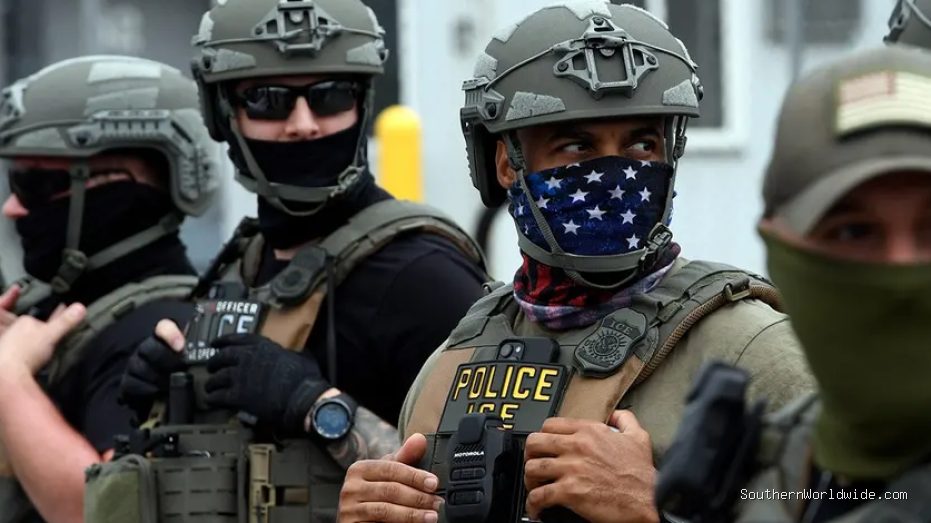
SouthernWorldwide.com – Colorado has rescinded a contentious mandate that required attorneys using the state’s electronic court filing system to pledge they would not utilize court-derived information to aid federal immigration enforcement. This verification requirement was removed from state law last week after Colorado Governor Jared Polis, a Democrat, signed House Bill 26-1276, establishing an exemption for legal professionals seeking to access the filing system.
In April, several attorneys voiced their opposition after the state’s e-filing system began demanding certification that they would not share such personal details with the federal government. Colorado officials stated this requirement originated from the Protect Civil Rights Immigration Status Act of 2025.
This situation has been described as the most recent illustration of the idea that any state can disregard federal laws it disagrees with. Critics argue that this amounts to obstruction by preventing attorneys from accessing the court system without making an “outrageous pledge” under penalty of perjury not to report information for federal immigration enforcement purposes.
It is believed that the state recognized the precarious legal ground it stood on and subsequently reversed its decision. However, concerns persist regarding potential future actions by other sanctuary jurisdictions that could form a new “Confederacy” by obstructing federal laws.
The Foundation for Individual Rights and Expression (FIRE) welcomed the development. The organization had indicated its readiness to file a lawsuit against the state government in Denver on First Amendment grounds if the provision was not repealed.
FIRE stated that Colorado made the correct decision in removing the certification requirement, which they characterized as a clear viewpoint-based regulation that contravened the First Amendment. While the state might dictate what its own public lawyers can say to ICE, private attorneys assert that they represent their clients, not the government.
According to FIRE’s senior attorney, the government cannot legally condition an attorney’s access to the courts on a promise not to use information for a lawful purpose that the state disapproves of. He commended Colorado legislators and the governor for their swift action in resolving the issue, but expressed dismay that the state initially attempted such a measure.
Laws that restrict speech are required to be viewpoint-neutral under the First Amendment. Critics argued that by compelling attorneys not to communicate with ICE, the state was injecting partisan bias into the legal process.
The focus remains on the various sanctuary policies implemented across states and cities that are actively resisting, and in many instances obstructing, federal law enforcement. This is particularly relevant given that immigration authority falls under the purview of the federal government, as affirmed by the Supremacy Clause.
This issue is especially pertinent in regions where local sheriffs are keen to cooperate with ICE. A measure currently under consideration aims to empower victims of sanctuary policies to pursue legal action against those jurisdictions for damages incurred due to the release of criminal illegal immigrants.