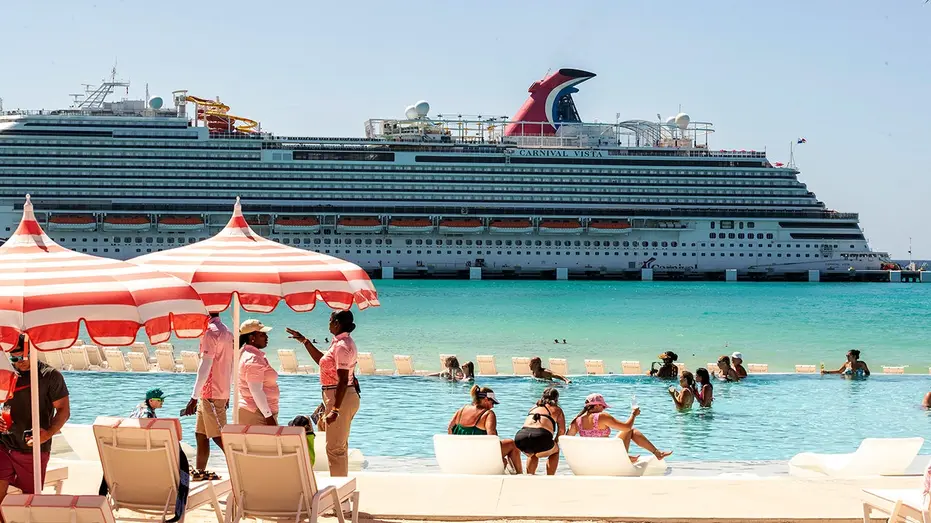
SouthernWorldwide.com – Carnival Corporation has confirmed a data breach impacting nearly 6 million individuals, with potential repercussions extending to travelers who may not directly identify as Carnival customers.
The company stated that the incident stemmed from a social engineering attack targeting a single user account. This means an individual was deceived, granting unauthorized access to a portion of Carnival’s IT systems.
For cruise passengers, the primary concern arises after the breach. Stolen personal details can be exploited by scammers to craft more convincing fraudulent communications. This article outlines what might have been exposed, findings from Have I Been Pwned regarding the leaked data, and actionable steps individuals can take to safeguard themselves.
MAJOR CRUISE LINE HACK EXPOSES SENSITIVE DATA OF NEARLY 6 MILLION TRAVELERS
Carnival Corporation has reported that the breach originated from a social engineering attack on a solitary user account. This allowed an unauthorized party to access a restricted segment of the company’s IT infrastructure. Carnival asserts that they promptly halted the activity, engaged external cybersecurity experts, and notified law enforcement agencies.
A representative from Carnival Corporation communicated to CyberGuy:
“In April, we detected unauthorized access to a limited part of our IT system, which was a result of a social engineering attack on a single user account. We immediately halted the activity, brought in third-party security specialists, and alerted law enforcement. Our investigation revealed that certain personal information was illegally accessed. We are in the process of notifying affected individuals and sincerely apologize for any distress this may cause. Safeguarding the privacy and security of personal data is a paramount concern for us, and we have implemented additional layers of security and monitoring to complement the comprehensive protections already in place. We will also continue to enhance our defenses against evolving threats.”
State breach reporting indicates that 5,995,277 individuals were affected. Carnival notes that the compromised data varies among individuals. However, the company has confirmed that the information known to be involved includes names, addresses, email addresses, phone numbers, dates of birth, and government-issued identification numbers, such as driver’s license and passport numbers.
Have I Been Pwned has also analyzed data published by ShinyHunters, reporting that it contained 8.7 million records, with 7.5 million unique email addresses. This data appears to be linked to Holland America’s Mariner Society loyalty program and included names, dates of birth, email addresses, genders, geographic locations, salutations, and loyalty program details.
This implies that the breach could affect individuals even if they consider themselves Holland America customers rather than Carnival customers. Even without credit card numbers, this type of information can lead to significant problems. Criminals can use it to fabricate emails, texts, and calls that mimic communications from legitimate cruise brands. For instance, a scammer might mention loyalty points, an upcoming trip, a refund, or a cabin upgrade. Such familiar details can be enough to entice a click.
Carnival has not officially confirmed that ShinyHunters was responsible for the attack. However, the extortion group claimed responsibility in April 2026, stating that it had stolen millions of records and internal corporate data.
ShinyHunters has also been implicated in broader data theft and extortion activities involving Salesforce customers. This group frequently pressures companies by threatening to leak or sell the stolen information.
The FBI has cautioned victims against paying ransom demands from this group. Payment does not guarantee that the stolen data will be deleted, nor does it prevent criminals from attempting to extort victims again.
For individuals, the primary concern is what happens next. Once personal data is leaked, scammers may attempt to use it in emails, texts, or calls that appear more credible than typical spam.
Travel scams are effective because they target individuals when they are excited, rushed, or distracted. You might have booked a cruise years ago, joined a loyalty program and forgotten about it, or sailed with Holland America, Princess Cruises, or another Carnival-owned brand. Such older accounts can still hold value for criminals.
Carnival has experienced several cybersecurity incidents in the past. The company disclosed breaches in March 2020 and June 2021 following attacks on employee email accounts. Ransomware incidents in August 2020 and December 2020 also exposed personal information related to Carnival customers and employees.
This history does not mean every Carnival customer will fall victim to fraud. However, it highlights why older travel accounts warrant attention. A loyalty account can reveal more than just points; it can connect your name, email, birthday, travel history, and brand preferences.
This provides scammers with more avenues to sound convincing. A fraudulent email might claim your loyalty points are about to expire. A text could suggest you are eligible for a refund. A phone call might assert that your account requires verification. These tactics can lead to stolen passwords, malware, fake payment pages, or identity theft attempts.
HOW TO PROTECT YOUR ONLINE PRIVACY AND SECURITY ON YOUR NEXT CRUISE VACATION
If you receive a breach notification from Carnival, read it carefully to understand what information may have been compromised. Some affected data may include government-issued identification numbers, so it is crucial to take steps to secure your accounts, identify fake cruise messages, and reduce the likelihood of scammers exploiting your personal details.
Carnival is offering two years of complimentary credit monitoring to eligible U.S. individuals. If you receive a notification, use the contact information provided in that notice or on Carnival’s official breach webpage. Do not rely on unsolicited links in emails, texts, or search ads that claim to help you enroll.
Always navigate directly to the official website or app. Avoid clicking links from emails or texts. Utilize strong, unique passwords for every travel account. A password manager can assist in creating and securely storing complex passwords. Explore the best expert-reviewed password managers of 2026 at Cyberguy.com
Two-factor authentication (2FA) adds an extra layer of security. Even if your password is compromised, a second form of approval is still required. Whenever possible, use an authentication app. While text codes are helpful, they can be less secure if a scammer attempts a SIM swap attack.
Exercise caution with messages concerning refunds, loyalty points, upgrades, cancellations, or account verification. Scammers frequently employ urgent language to prompt immediate action before critical thinking can occur. Instead, proceed directly to the company’s official website or app to check your account status.
While a data removal service cannot reverse the Carnival breach, it can assist in removing your personal information from data broker and people-search websites. This makes it more challenging for scammers to combine leaked breach data with your home address, phone number, relatives’ names, or other details found online. Discover my top recommendations for data removal services and get a free scan to determine if your personal information is already exposed on the web by visiting Cyberguy.com
Breaches often result in phishing emails containing malicious links or attachments. Robust antivirus protection can help block malicious websites, scam pages, and malware before they cause harm. Additionally, ensure your phone, tablet, and computer are updated. Security updates patch vulnerabilities that criminals attempt to exploit. Find my selections for the top 2026 antivirus protection winners for your Windows, Mac, Android & iOS devices at Cyberguy.com
If you receive a call from someone claiming to represent a cruise line, refrain from providing your date of birth, payment details, or login credentials. Hang up and contact the company directly using a number obtained from its official website.
10 SIGNS YOUR PERSONAL DATA IS BEING SOLD ONLINE
Review your financial statements for any unrecognized charges. Small test transactions may appear before larger fraudulent attempts. Report any suspicious activity immediately. Many banks also offer the ability to lock a card via their app while you investigate.
A credit freeze can prevent criminals from opening new credit accounts in your name. You can freeze your credit for free with Equifax, Experian, and TransUnion. You can also lift the freeze when you need to apply for credit.
Examine your credit reports for any accounts, addresses, or inquiries that you do not recognize. You are entitled to free weekly credit reports from the three major credit bureaus at AnnualCreditReport.com.
Given that Carnival has indicated some compromised data may include driver’s license or passport numbers, exercise heightened caution with any messages requesting identity verification. Do not upload photos of your ID via links in emails or texts. Instead, go directly to the official company, bank, or government website.
Identity theft protection services can help monitor your personal information, credit files, and financial activity for signs of fraud. Some plans also include breach or dark web monitoring, which can alert you if your email address or other personal details appear in known leaks. View my advice and top picks for Best Identity Theft Protection at Cyberguy.com
Retain a copy of any notification you receive from Carnival. It may detail the information involved and the support offered by the company. Be wary of fake settlement or claim websites, as scammers often create imitation pages following significant breaches.
The Carnival data breach underscores the necessity of treating travel accounts with the same level of security as banking, shopping, and email accounts. A cruise may be a temporary vacation, but the data you share can persist for years. Take a few moments now to strengthen your accounts. Change any reused passwords, remain vigilant for cruise-themed scams, and consider freezing your credit for enhanced protection.
Have travel companies earned sufficient trust to continue collecting such extensive personal data, or should loyalty programs begin requesting significantly less information? Share your thoughts by writing to us at Cyberguy.com