SouthernWorldwide.com – The World Health Organization has officially declared the Ebola outbreak in Central Africa a global public health emergency. This decision comes after a significant number of suspected fatalities were reported in the Democratic Republic of Congo and its neighboring country, Uganda.
However, the WHO has clarified that the current outbreak, caused by the Bundibugyo virus, does not meet the specific criteria for a pandemic emergency. This distinction is important in understanding the scope and nature of the public health concern.
The declaration follows alarming reports detailing 80 suspected deaths as of Saturday. In addition to these suspected fatalities, there have been eight laboratory-confirmed cases and 246 suspected cases. These figures span at least three health zones within the Democratic Republic of Congo, specifically Bunia, Rwampara, and Mongbwalu.
This situation unfolds while global health officials are still closely monitoring another less common health concern. They are tracking a rare hantavirus outbreak that has been linked to the MV Hondius cruise ship. This particular outbreak has resulted in numerous passengers and crew members falling ill and has sadly caused three deaths.
As of May 13, the WHO reported that eleven hantavirus cases were identified in connection with the cruise ship outbreak. This includes eight confirmed cases, two probable cases, and one case where the diagnosis remains inconclusive.
Read more : Trump Hails UN Climate Group's Shift from Extreme Warming Scenario
In Uganda, specifically in its capital city, Kampala, the WHO noted two laboratory-confirmed Ebola cases. These cases appear to be unrelated to each other and include one death. Both individuals had a history of travel from the Democratic Republic of Congo, highlighting the cross-border risks.
Furthermore, another laboratory-confirmed case was reported in Kinshasa, the capital of the DRC. This case involves an individual who had returned from the Ituri province, further emphasizing the interconnectedness of the affected regions.
Initial laboratory tests suggest that this current outbreak might not be caused by the Ebola Zaire strain. This is significant because the Ebola Zaire strain was responsible for the devastating epidemic in Congo from 2018 to 2020, which tragically claimed over 1,000 lives.
However, a critical difference with the Bundibugyo strain is the lack of currently approved vaccines or specific therapeutics. The WHO has described this situation as making the current outbreak “extraordinary,” given the limited treatment options available.
The WHO has issued a warning that the actual scale of the outbreak could be larger than what is currently reported. This concern is based on the high positivity rate observed in initial samples and the continuously growing number of suspected cases.
The organization also highlighted that the outbreak poses a significant public health risk to other countries. In response, the WHO is urging nations to activate their emergency management systems and implement robust cross-border screening measures to prevent further spread.
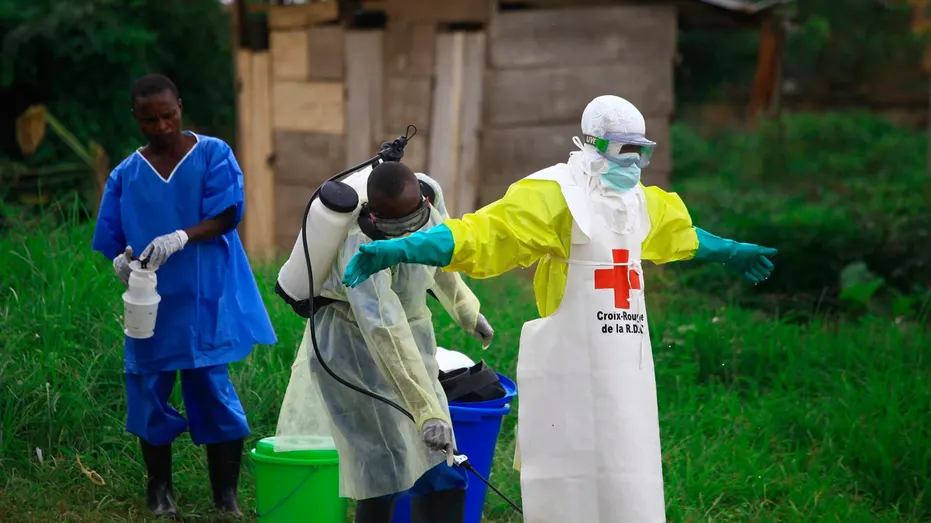
Ebola is a highly contagious and often deadly disease. It is primarily spread through direct contact with bodily fluids such as blood, vomit, and semen. The initial symptoms can be varied and include fever, vomiting, diarrhea, muscle pain, and in severe cases, internal bleeding.
WHO Director-General Tedros Adhanom Ghebreyesus recently expressed confidence in Congo’s ability to respond to Ebola outbreaks. He acknowledged the country’s “strong track record” in handling such emergencies. This statement was made at the time of announcing the release of $500,000 in emergency funding to bolster containment efforts.
The WHO has stated that it will convene an emergency committee. This committee will be tasked with reviewing and providing recommendations on the most effective response strategies for the affected countries.
Importantly, the organization has not recommended border closures or the imposition of travel restrictions at this time. This suggests a focus on targeted interventions and preparedness rather than broad-scale travel limitations.
This marks the 17th Ebola outbreak recorded in the Democratic Republic of Congo since the virus was first identified in the country in 1976. The long history of outbreaks in the region underscores the persistent challenge of managing this deadly disease.