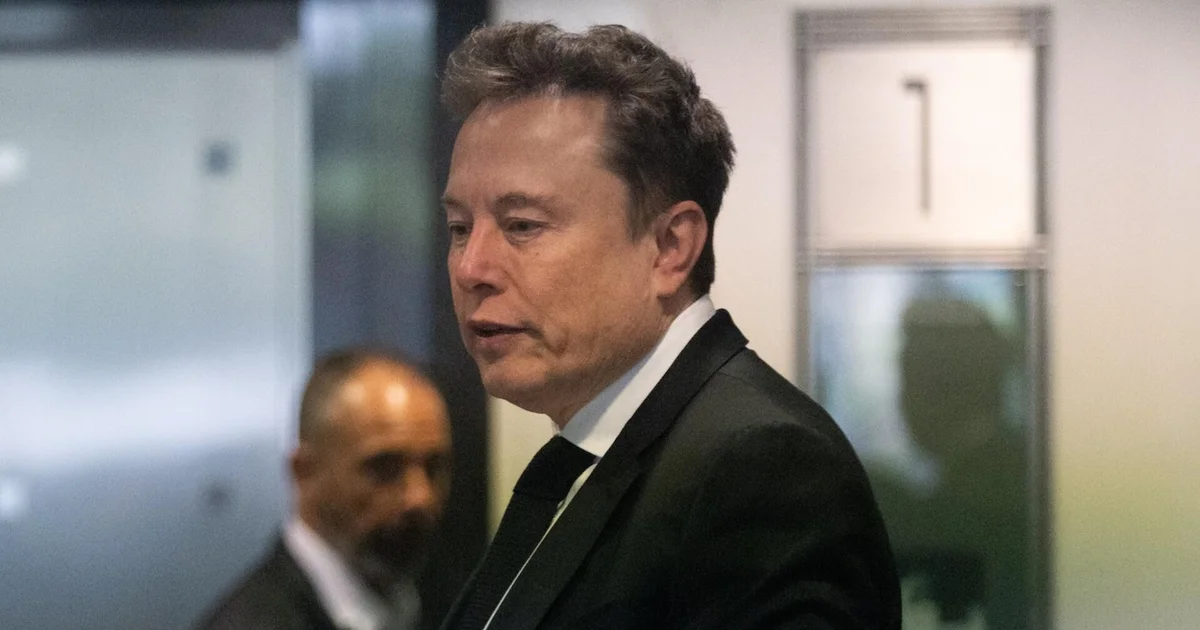
SouthernWorldwide.com – In a high-stakes trial against OpenAI co-founder Sam Altman, Elon Musk testified on Tuesday, expressing “extreme concerns” about the control and direction of artificial intelligence.
Musk, a prominent figure in the tech world and a former OpenAI board member, accused Altman of misleading him and others about the company’s progress and intentions regarding AI development.
The trial, which could significantly shape the future of AI governance, centers on Musk’s claims that Altman breached the founding agreement of OpenAI by prioritizing profit over the company’s original mission of benefiting humanity.
Musk’s testimony highlighted his deep-seated worries about the concentration of power in AI development and the potential risks associated with unchecked advancement.
He stated that his departure from the board was due to a fundamental disagreement on the path OpenAI was taking, particularly concerning safety protocols and the ultimate control of advanced AI systems.
The lawsuit filed by Musk aims to hold OpenAI accountable to its founding principles, which Musk believes have been compromised under Altman’s leadership.
Musk’s legal team presented evidence suggesting that Altman had been aware of and even contributed to the shift towards a for-profit model, a move that Musk argued was contrary to the spirit of the non-profit organization they co-founded.
During his testimony, Musk emphasized the importance of transparency and ethical considerations in the development of AI, technologies he believes have the potential for immense good or catastrophic harm.
Read more : Deep Sea Golden Orb's Identity Revealed
He reiterated his belief that a broad coalition of stakeholders should have a say in the development of AI, rather than a small group prioritizing commercial interests.
Altman, who is currently leading OpenAI as its CEO, has maintained that the company’s actions have been in line with its mission and that the for-profit structure is necessary to attract the talent and capital required for groundbreaking AI research.
However, Musk’s testimony provided a direct challenge to this narrative, painting a picture of a strategic departure from the original vision.
The trial is expected to delve into complex legal and philosophical questions surrounding the nature of AI, its societal impact, and the responsibilities of its creators.
Musk’s “extreme concerns” are not just about OpenAI but reflect a broader anxiety within the tech community and the public about the rapid, and often opaque, development of artificial intelligence.
The legal proceedings could set a precedent for how future AI companies are regulated and how the vision of their founders is upheld.
Witnesses are expected to testify on both sides, offering different perspectives on OpenAI’s founding, its evolution, and the critical decisions made along the way.
The outcome of this trial could influence not only the future of OpenAI but also the broader landscape of artificial intelligence development globally.
Musk’s testimony underscored his commitment to ensuring that AI development remains aligned with human values and safety, a principle he has consistently championed throughout his career.
He suggested that the current trajectory of OpenAI, under Altman, poses significant risks due to the lack of clear oversight and the potential for misuse of powerful AI technologies.
The trial is being closely watched by regulators, policymakers, and industry leaders worldwide, as it touches upon crucial issues of corporate governance, ethical AI, and the future of technological progress.
Musk’s legal team is expected to further elaborate on the alleged breaches of fiduciary duty and the implications of OpenAI’s current structure.
The coming days of the trial will likely bring more revelations and arguments, further illuminating the deep divisions that have emerged regarding the future of artificial intelligence.
Musk’s testimony serves as a stark reminder of the profound responsibilities that come with creating technologies that could fundamentally alter society.
His “extreme concerns” about AI control are a call to action for greater accountability and a more human-centric approach to technological innovation.
The legal battle is far from over, and its resolution will undoubtedly be a significant event in the ongoing discussion about the role of AI in our lives.