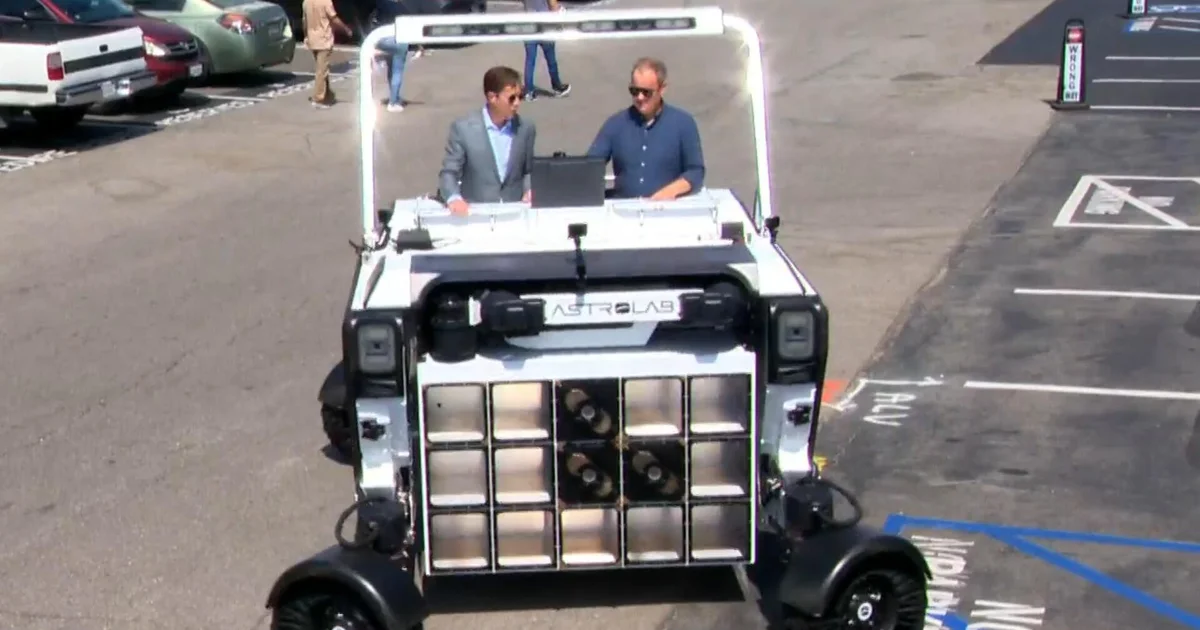
SouthernWorldwide.com – NASA is advancing its ambitious plan to establish a lunar base, recently awarding contracts for the development of crucial lunar rovers. This move signifies a significant step forward in the agency’s long-term vision for sustained human presence on the Moon.
The rovers are designed to be highly capable, autonomous vehicles that can traverse the challenging lunar terrain. They will play a vital role in various aspects of base construction and scientific exploration.
These lunar vehicles are expected to handle tasks such as transporting materials, assisting in the assembly of habitats, and conducting geological surveys. Their ability to operate autonomously will be key to maximizing efficiency and safety in the harsh lunar environment.
NASA’s return to the Moon is part of the Artemis program, which aims to land the first woman and the next man on the lunar surface. The establishment of a permanent base is a core objective of this program.
The rovers will be instrumental in scouting potential landing sites and identifying resources, such as water ice, which can be utilized for life support and fuel production. This resource utilization is a critical component of making long-duration lunar missions sustainable.
While the Blue Origin explosion setback for NASA this week is a notable event, it does not appear to have derailed the agency’s overall lunar ambitions. The focus remains on progressing with key technological developments.
The rovers are being developed with advanced navigation and mobility systems. They need to be able to operate in extreme temperatures, navigate rocky terrain, and withstand the abrasive lunar dust.
Read more : Major Cruise Line Suffers Data Breach Affecting Millions of Travelers
Furthermore, these vehicles will be equipped with scientific instruments to analyze lunar soil and rocks. This will provide invaluable data for understanding the Moon’s history and its potential for supporting future human activities.
The rovers are also being designed with modularity in mind, allowing for different payloads and scientific equipment to be attached depending on the mission requirements.
Kris Van Cleave provided more details on these developments, highlighting the significance of these robotic assets for the Artemis program’s success.
The rovers are expected to be deployed in stages, with initial missions focusing on site preparation and resource assessment. Subsequent missions will involve more complex construction and scientific tasks.
NASA’s investment in lunar rover technology underscores the importance of robotics in enabling human exploration beyond Earth.
The development contracts have been awarded to several companies, fostering innovation and competition in the private space sector.
This strategic approach ensures that NASA benefits from a diverse range of technologies and expertise.
The rovers are expected to be a cornerstone of the future lunar infrastructure, paving the way for more ambitious scientific discoveries and human endeavors on the Moon.
The agency’s commitment to this technology reflects a forward-thinking strategy for long-term space exploration.
The rovers will be crucial for the sustainability of the lunar base, enabling continuous operations and scientific advancements.
This development is a testament to the ongoing progress in space technology and the enduring human drive to explore.
The successful deployment of these rovers will be a critical milestone in humanity’s journey back to the Moon.
The Artemis program continues to move forward, with each technological advancement bringing us closer to a sustained lunar presence.
The rovers represent a tangible step in realizing NASA’s vision for a future where humans live and work on the Moon.