SouthernWorldwide.com – The initial inflation report released under the new Federal Reserve chief, Kevin Warsh, indicates that consumer prices in April reached their highest point in nearly three years.
The Commerce Department announced on Thursday that the personal consumption expenditures (PCE) price index, which the Federal Reserve closely monitors, saw an annual increase of 3.8% last month. This marks a rise from 3.5% in March and 2.8% in February, representing the highest rate since May 2023.
Economists surveyed by FactSet had projected that the April PCE report would show an annual inflation rate of 3.9%.
The core PCE index, which excludes volatile food and energy prices, increased by 3.3% on an annual basis in April, aligning with economists’ expectations.
Warsh’s Initial Challenge
Kevin Warsh assumes the role of Fed chief facing a significant challenge as inflation escalates, partly due to the impact of the Iran war on energy prices. Earlier this year, the central bank had anticipated one interest rate cut in 2026. However, economists now believe this prediction is becoming less likely given the surge in fuel costs.
Adding to the complexity, President Trump has expressed a strong desire for the Federal Reserve to lower borrowing costs for both consumers and businesses, a move intended to stimulate economic growth.
Heather Long, chief economist at Navy Federal Credit Union, commented on social media that while the rise in consumer prices in April was slightly lower than anticipated, it offers little relief to individuals on Main Street. She noted that people are experiencing the highest inflation in three years, and their wage gains are being eroded by these rising prices.
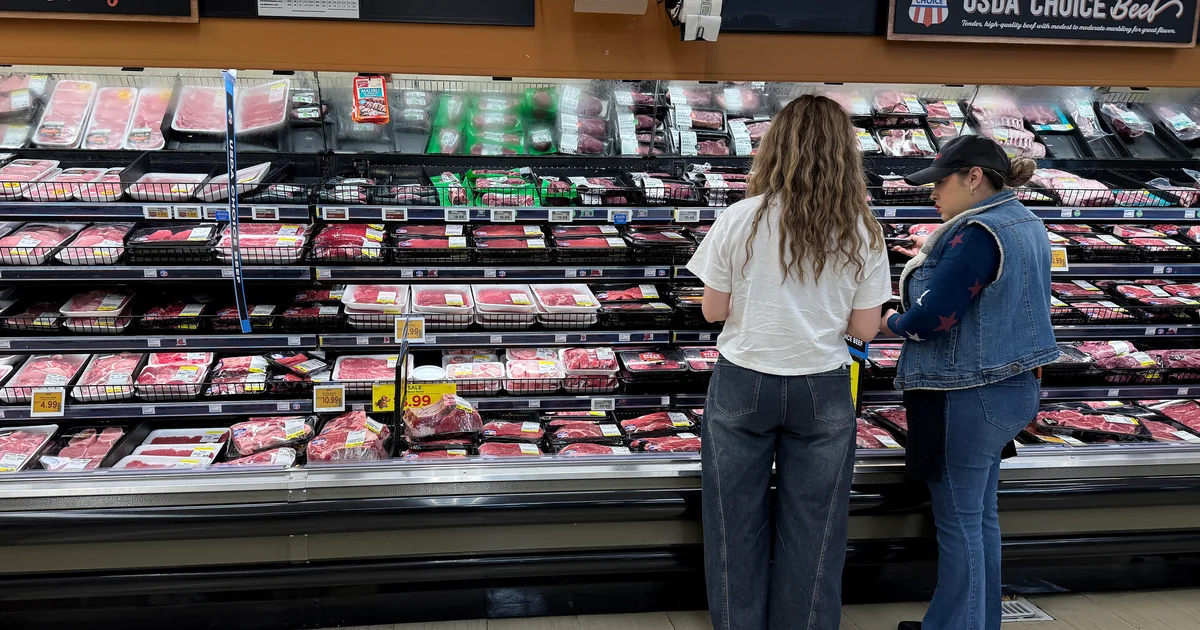
According to Commerce Department data, energy costs experienced the most significant increase in April. However, prices also rose across other spending categories. The data indicates substantial increases in the costs of housing and utilities, recreation services, and food services during April.
Some economists are now considering the possibility of an interest rate hike later this year. CME FedWatch, which bases its forecasts on 30-Day Fed funds futures prices, indicates a 40% probability that the Federal Reserve will increase rates at its December meeting, a significant jump from the 3% probability observed in June.
Income Growth Trails Inflation
Several other indicators within the report underscore the financial difficulties faced by many U.S. households, which helps explain the sharp decline in consumer confidence to an all-time low.
The report reveals that annual personal income growth decelerated to 2.5%, falling behind the pace of inflation. This signifies a reduction in households’ purchasing power as their incomes are not keeping up with escalating prices.
Long further stated via email that inflation is at a three-year high, and personal savings have plummeted to one of the lowest levels in two decades. She highlighted that many Americans are spending more than their income, a situation she described as unsustainable, particularly for lower and middle-income households.
Consumer spending increased by 0.5% in April compared to March, though this rise was largely attributed to price increases. When adjusted for inflation, spending saw a modest increase of just 0.1% in April, down from 0.3% the preceding month.
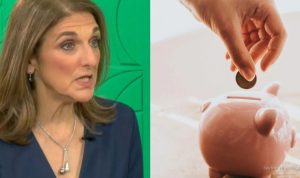
The personal savings rate dropped to 2.6% last month from 3.6% in March. Economists suggest this indicates that some households are drawing down their savings to manage higher expenses.
Read more : Florida Senator's Anti-Fraud Bills Likely to Pass
Ellen Zentner, chief economic strategist for Morgan Stanley Wealth Management, explained in an email that rising prices are significantly impacting consumption. She added that the decline in the savings rate demonstrates consumers are depleting their savings to make ends meet.