SouthernWorldwide.com – High energy costs, exacerbated by the ongoing Iran war, are placing immense pressure on struggling farmers in Louisiana, pushing them into a “game of survival.”
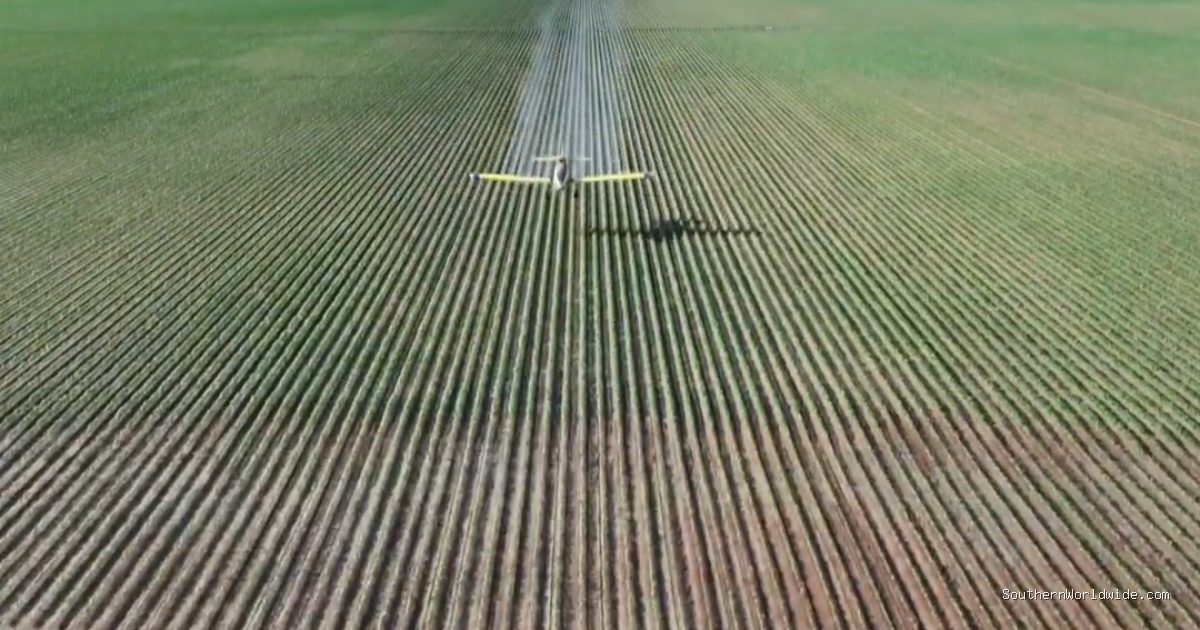
Agriculture pilot Reed Keahey, based in northeast Louisiana, is experiencing significant sticker shock due to soaring fuel prices. His aircraft requires Jet-A fuel, a kerosene-based product whose cost has dramatically increased since the Iran war began.
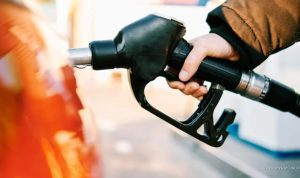
The price of Jet-A fuel, which was $2.46 per gallon in February before the conflict, reached a peak of $4.11 per gallon in May. Keahey, who purchases fuel in bulk quantities of 7,500 gallons at a time, stated that a single refueling at the peak price cost him over $30,000.
While the price has since fallen to $3.18 per gallon as of this week, it is showing signs of an upward trend again. Keahey expressed the difficulty of this situation, noting, “It puts a squeeze, but I can’t let my farmers feel that squeeze that it’s putting on me.”
The agricultural community in Louisiana is finding itself with very little room for error due to these escalating fuel costs. This financial strain directly impacts their ability to operate and maintain their farms.
David and Theresa Guererro, who own a farming business, are facing significant challenges with their corn crops. These crops require urea, a nitrogen fertilizer. A substantial portion of global urea exports, nearly half, originates from the Persian Gulf region.
The Iran war has led to intermittent closures of the Strait of Hormuz, a critical shipping route that handles approximately 20% of the world’s oil. This disruption has created a major shipping crisis, directly affecting the supply and price of urea.
Consequently, the price of urea has spiked considerably during the war, completely depleting the Guererros’ fertilizer budget. They have disclosed that they are currently over budget on urea by an estimated $120,000 to $130,000.
When asked about the survival of their farm amidst these cost hikes, David Guererro responded grimly, “It’s close, it’s real close.” This sentiment underscores the precarious financial state many farmers are in.
The broader trend of financial distress in the agricultural sector is supported by data from the American Farm Bureau Federation. According to their reports, U.S. farm bankruptcies saw a significant increase of 46% last year compared to 2024.
In Keahey’s case, he has the option to charge the Guererros more for crop treatment services. However, he has chosen to absorb the increased costs himself, demonstrating a sense of solidarity within the agricultural community.
“Right now, it’s a game of survival,” Keahey reiterated. He emphasized the interdependence of their businesses, stating, “… If the farmers aren’t in business, then I’m not in business.” This highlights the critical need for the survival of farming operations for the sustainability of related industries.