SouthernWorldwide.com – While the world’s attention was focused on the Strait of Hormuz due to escalating tensions and the ongoing conflict in Iran, a significant and long-lasting shift in Europe’s energy landscape was quietly taking shape, pivoting away from Russia and increasingly towards the United States.
The invasion of Ukraine by Russia in February 2022 sent shockwaves through Europe’s energy sector. With approximately 40-45% of the continent’s gas imports originating from Russia, the continent found itself in a precarious position, facing its first major energy crisis of the century. The immediate aftermath saw a strong commitment from European nations to never again be reliant on a single supplier, vowing to diversify, build new infrastructure, and escape pipeline dependency.
Europe’s resolve was evident in its actions. Russian pipeline gas imports plummeted from 137 billion cubic meters in 2021 to a mere 18 billion cubic meters by 2025, marking an 87% reduction. Consequently, Russia’s share in the European Union’s gas imports fell from 45% to 12%.
This commitment was further solidified in December 2025 when the European Parliament passed a law with an overwhelming majority (500 votes in favor, 120 against), making the break from Russian energy permanent. The legislation stipulated a complete ban on Russian liquefied natural gas (LNG) by the end of 2026 and all Russian pipeline gas by late 2027, with substantial penalties of €40 million for any attempts to circumvent the ban.
The initial plan to replace Russian energy involved a multi-faceted strategy. This included securing pipeline gas from Norway and southern suppliers like Algeria and Azerbaijan, sourcing LNG from Qatar and the Gulf states, and gradually reducing demand through investments in renewable energy. American LNG was also envisioned as a key component within this diversified energy portfolio, ensuring no single country could wield the kind of leverage Russia had previously held.
German Chancellor Friedrich Merz took this mission to heart. On February 4, 2026, he embarked on a crucial diplomatic mission to Saudi Arabia, Qatar, and the United Arab Emirates, accompanied by a significant business delegation. The primary objective was to “diversify oil and gas supply chains” and establish robust energy partnerships with the Gulf nations. During his visit, he met with Mohammed bin Salman, signed frameworks for investment, and offered to relax Germany’s arms export rules as a gesture of goodwill, returning home with what he described as the foundational elements of a truly pluralistic European energy future.
However, this ambitious plan for European energy independence was short-lived, lasting only about four weeks.
Baca juga di sini: Policymakers Must Heed Airline Pilot Safety Concerns
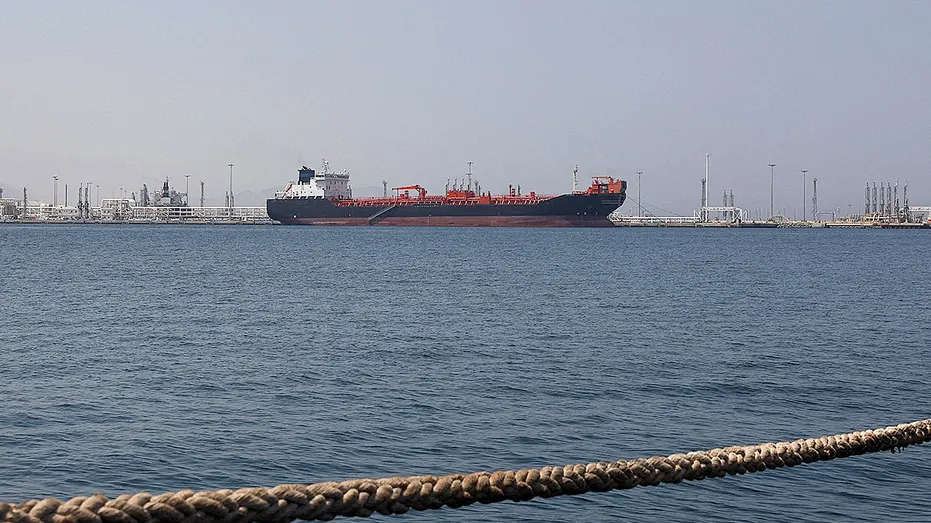
The escalation of U.S.-Israeli strikes on Iran in late February and early March 2026 triggered a full-blown regional conflict. Iran retaliated, leading to the shutdown of the Strait of Hormuz. This vital waterway, through which approximately 20% of the world’s oil and LNG flows, including a substantial portion of Qatar’s LNG exports, became a war zone. Shipping insurers withdrew coverage or imposed exorbitant war-risk premiums, rendering Gulf routes economically unviable. European gas prices surged by roughly 25% in a single trading day, while oil prices more than doubled from pre-war levels, reaching $126 per barrel by late April. European gas storage, already at a concerning 35-40% capacity, continued to deplete. In May, Equinor warned that an additional one to three months of Strait of Hormuz disruption could push European storage levels to critical points before the winter.
The situation highlighted the vulnerability of Europe’s supply chain. While Qatar was willing and able to supply LNG, the physical delivery was hampered by the conflict in the Strait of Hormuz. No Qatari official could guarantee the safety of passage through the war-torn waterway.
What might appear as erratic actions from President Trump regarding the conflict—including strikes, pauses, negotiations, and further strikes—becomes clearer when viewed not just as military maneuvers, but as strategic levers. The prolonged disruption of the Strait of Hormuz, a critical chokepoint for global energy trade, significantly diminished Europe’s alternative supply options. Each week that Qatar’s LNG remained inaccessible due to the war zone, American supply contracts gained a crucial advantage in necessity.
As European storage levels continued to decline, the pressure to secure long-term supply agreements with the United States intensified. The conflict in Iran not only disrupted energy markets but also undermined Europe’s carefully crafted post-2022 energy strategy. The numbers clearly illustrate this dramatic shift.
Prior to the war in Ukraine, the United States accounted for only 24% of the EU’s LNG imports. By the fourth quarter of 2025, even before the conflict in Iran escalated, this share had already surged to 56% according to Eurostat, more than tripling the U.S. contribution from before 2021. An update from IEEFA in the first quarter of 2026 indicated that the U.S. share of European LNG imports had reached 63% and was continuing to climb.
Facing a disrupted Gulf supply and potentially critical storage levels, European buyers were compelled to extend and sign new long-term American supply agreements through the spring. These negotiations took place under the most unfavorable conditions imaginable: high prices, scarce alternatives, and the looming threat of winter.
IEEFA now projects that EU imports of U.S. LNG will reach 115 billion cubic meters per year by 2030. This figure represents 80% of all EU LNG imports, and consequently, 40% of all EU gas supply, encompassing both pipeline and LNG, will flow from the United States.
Germany, a nation that had built its industrial model on Russian pipeline gas, now predominantly imports American LNG through the very terminals it constructed in pursuit of energy independence.
The question arises whether President Trump had anticipated this outcome before the war began, and if the delays in reaching a settlement were strategically employed to lock in these long-term contracts.
Regardless of how the current negotiations play out, the immediate crisis chapter may be drawing to a close. However, the structural changes in Europe’s energy landscape are far from over.
The contracts signed under the duress of wartime conditions are now legally binding. The ban on Russian energy is enshrined in law. The new LNG terminals are operational and primarily receiving American supply. There are no readily available alternatives at the required scale, nor are there any exit clauses from these agreements. A diplomatic trip by Chancellor Merz can no longer alter the fundamental arithmetic of the situation.
President Trump’s approach to the Iran conflict may lead to a resolution of the war. Simultaneously, it has effectively concluded a decade-long process of European energy realignment. This realignment, now legally and contractually bound, undeniably points in a single direction.
Towards America.
CLICK FOR MORE FROM TANVI RATNA