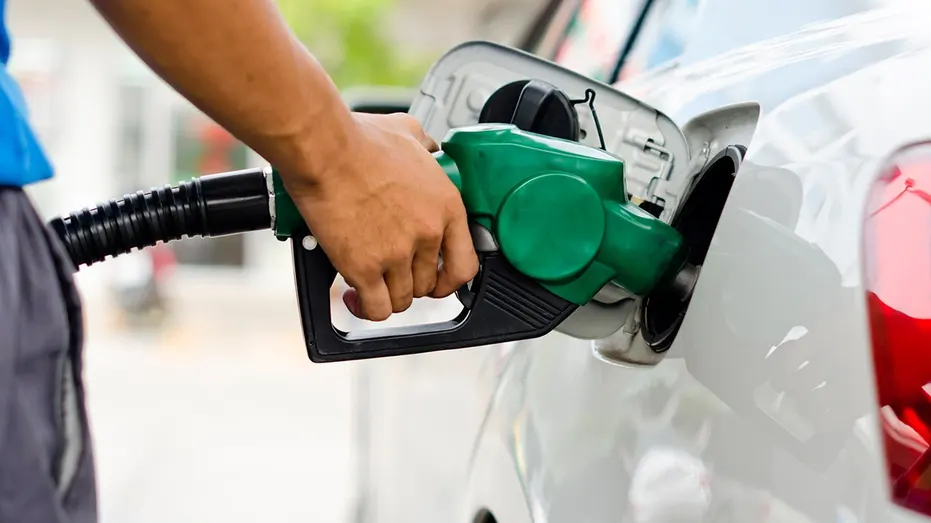
SouthernWorldwide.com – Travelers preparing for the Memorial Day weekend in the United States are bracing for historically high gasoline prices.
Despite the significant increase in fuel costs, attributed in part to ongoing conflict in Iran that has led to shipping disruptions and blockades, AAA forecasts that over 39 million individuals will opt for road trips during the holiday period.
In parallel, the White House has initiated a series of measures aimed at alleviating the financial strain on Americans. These actions are being rolled out ahead of the 2026 midterm elections, as the nation grapples with an economic climate characterized by rising prices and persistent inflation.
The surge in fuel costs is exacerbated by renewed instability in global energy markets. Escalating tensions in Iran have impacted oil supplies, driving up crude oil prices following the outbreak of war in late February.
Read more : Cruise Giant Scraps Ultra-Low Fares After Site Glitch
National average gas prices are currently nearing all-time highs, surpassing levels seen in previous summer travel seasons. This trend is fueling concerns about potential further price increases in the near future.
President Donald Trump’s administration has responded by releasing significant volumes of oil from the Strategic Petroleum Reserve in an effort to stabilize prices. Additionally, there have been calls for a federal gas tax holiday. The administration also temporarily suspended a long-standing shipping regulation, the Jones Act, to expedite fuel transportation between U.S. ports.
Notwithstanding these interventions, consumers across the nation continue to observe substantial hikes in gasoline prices at the pump.
Drivers on the West Coast are experiencing the most severe price increases. In California, gasoline has reached $6.14 per gallon, while in Washington state, the price stands at $5.70, according to data collected by AAA.
On the East Coast, prices have risen above $4.50 in multiple locations. This includes $4.67 in Washington, D.C., and $4.62 in Pennsylvania.
Within the Midwest, Illinois is notable with prices at $5.01 per gallon. The majority of the region, however, is seeing prices in the mid-$4 range. Southern states, while generally experiencing lower costs compared to other regions, are also witnessing price increases, with Georgia at $4.03, Texas at $4.09, and Florida at $4.51 per gallon. Mississippi currently reports the lowest gas prices in the country at $4.01 per gallon.
Beyond gasoline, other fuel categories are experiencing even steeper price escalations.
Diesel fuel has climbed to $5.65 per gallon, marking an increase of approximately $2.10 over the past year. As a critical fuel for freight, shipping, and public transportation, diesel prices are particularly susceptible to supply chain disruptions. The rising cost of diesel can have a cascading effect throughout the economy, leading to higher prices for a wide range of goods, including groceries.
This price surge underscores the broader economic vulnerabilities associated with the current geopolitical standoff. The uncertainty surrounding the Strait of Hormuz continues to create volatility in energy markets.
With the midterm elections on the horizon, escalating gas prices are re-emerging as a significant political challenge. Frustrated citizens are observing the continuous rise in the cost of filling their vehicles.