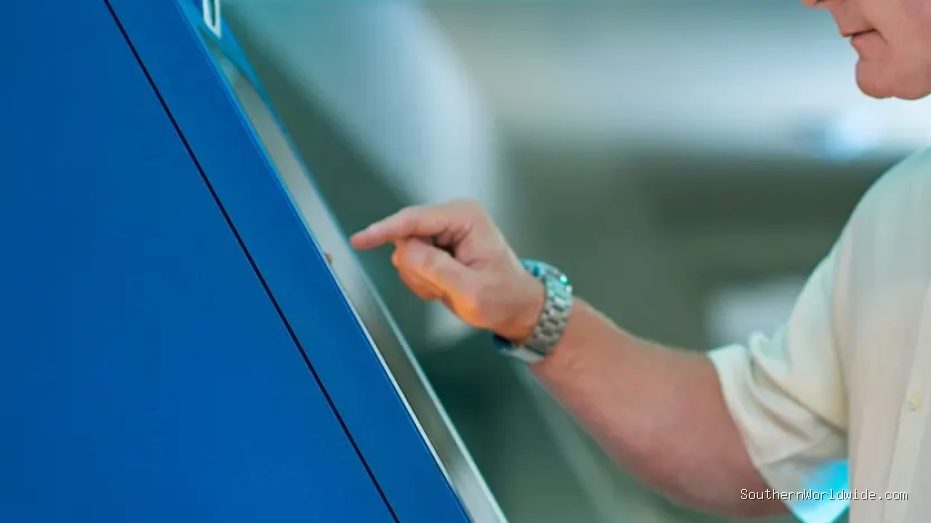
SouthernWorldwide.com – Minnesota is enacting a ban on cryptocurrency ATMs, a move prompted by a surge in scams that have reportedly cost residents nearly $1 million over the past few years. These machines, also known as cryptocurrency kiosks, facilitate the rapid conversion of cash into digital currency, a feature that criminals have exploited to pressure victims into making fraudulent transactions, often under the guise of fake emergencies, legal threats, or romance scams.
The ban is set to take effect on August 1, 2026. Operators of these publicly accessible machines are required to remove them by the end of the current year. State officials have highlighted that scammers frequently leverage these kiosks to exploit panic-driven situations. A victim might receive a distressing phone call, then proceed to a kiosk to send money before there is an opportunity for intervention. This narrow window of opportunity is precisely what criminals rely on, and it is what Minnesota aims to eliminate.
Between 2023 and 2025, Minnesota recorded 134 complaints related to crypto kiosk scams, with reported losses nearing $1 million. In 2025 alone, the state documented 70 cases, resulting in over $540,000 in losses. It is important to note that these figures likely represent only a fraction of the actual incidents, as many victims choose not to report their experiences due to embarrassment or fear of judgment.
Previously, Minnesota had implemented safeguards for these machines, including warnings, transaction limits, and consumer protection measures. However, law enforcement officials observed that scammers adapted their tactics, remaining on the phone with victims and guiding them through the process, even instructing them on what to say if questioned. The current ban represents a more decisive action to curb these illicit activities.
Crypto kiosks present a dangerous combination for scam victims: they accept cash, process transactions swiftly, and offer little recourse once a transaction is completed. Unlike bank transfers or credit card payments, which may offer avenues for pausing, disputing, or tracing funds, cryptocurrency transactions can be moved across borders or through multiple wallets rapidly, making recovery exceedingly difficult.
This situation leaves victims in a precarious position. They might realize the call was a scam only moments after sending the money, by which time the cash has been converted to crypto and likely moved by the scammer. This is why scammers favor these machines; they bypass the need to hack bank accounts, relying instead on instilling fear to manipulate victims into following their instructions.
Most crypto ATM scams begin with a sense of urgency. Scammers may falsely inform victims that they have missed jury duty and face arrest, or that a grandchild has caused an accident and requires bail money. Alternatively, they might pose as bank employees claiming an account is compromised and needs immediate protection. While the specific narrative varies, the underlying tactic involves creating fear and haste.
Victims are often instructed to withdraw cash and proceed to a crypto kiosk, where the scammer may provide a QR code or wallet address via text. The scammer typically remains on the line, urging the victim to disregard any on-screen warnings. Many victims do see these alerts but proceed due to the overwhelming fear and urgency instilled by the scammer, making the machine’s warning compete with the perceived immediate danger to a loved one or the threat of legal repercussions.
This pattern is consistent across various scams: a seemingly plausible story followed by escalating pressure until the victim feels there is no time to think critically.
Gail Barr, for instance, lost $9,260 after being convinced by scammers that she had missed jury duty. She was directed to a Bitcoin ATM in a convenience store and kept on the phone while following their instructions. Fortunately, a bank manager later intervened to prevent further losses.
In another case, an 85-year-old man lost $200,000 through a fake PayPal refund scheme that escalated into a larger trap. What began as a $10,000 crypto ATM transfer eventually led to him handing over gold coins to a courier.
Joe Allen, a disabled man from Connecticut, reported losing over $300,000 in a cryptocurrency investment scam. His experience illustrates how criminals can exploit fear, trust, or isolation to continue their manipulation.
These scams are particularly dangerous because victims rarely start with the intention of sending money to a criminal. They believe they are resolving a crisis, safeguarding their accounts, or assisting someone they care about. By the time the truth becomes apparent, the money may already be irretrievably lost.
Minnesota is not an isolated case. The FBI’s Internet Crime Complaint Center (IC3) received over 13,400 complaints involving cryptocurrency kiosks in 2025, with reported losses exceeding $388 million. Notably, more than half of these complaints involved individuals over 50, accounting for over $302 million in losses.
This demographic trend warrants attention from all families. Older adults may possess significant savings and are more likely to answer calls from unknown numbers. They may also have a strong instinct to help a child or grandchild in distress, an instinct that scammers readily exploit.
The machine itself is merely a tool; the primary attack occurs within the victim’s mind. Once fear takes hold, even cautious individuals can make decisions they would not consider under normal circumstances.
Minnesota is drawing a definitive line regarding a specific aspect of the crypto world that has proven highly problematic for scam victims: the public kiosk. Residents will still be able to engage with cryptocurrency through regulated online platforms. However, the machines that allow a distressed individual to enter a store, insert cash, and send crypto while being guided by a scammer will be phased out.
Other states are likely to monitor the outcomes of Minnesota’s ban. If it proves effective in reducing reported losses, lawmakers in other jurisdictions may face increased pressure to scrutinize crypto kiosks in locations like gas stations, convenience stores, and shopping centers.
Proponents of the ban argue that these kiosks have become too easily abused by criminals. Critics, however, contend that the machines have legitimate uses and that scammers will simply shift to alternative payment methods. While this may be true, Minnesota is banking on the idea that eliminating one of the quickest cash-to-crypto pathways will sufficiently slow down scams, allowing some victims the critical pause needed to question the situation and protect their funds.
The most effective protection involves deliberately slowing down the decision-making process before fear leads to an irreversible financial transaction.
It is crucial to remember that no legitimate police department, court, government agency, or bank will ever demand payment via a crypto ATM. Similarly, a reputable company will not instruct you to protect your account by depositing cash into a kiosk. If presented with such a demand, end the call immediately without debate or explanation. Instead, contact the purported individual or agency directly using a verified contact number.
Scammers often fabricate stories about a loved one being injured, arrested, or stranded, designed to override rational judgment. Always call the person directly or, if they are unavailable, contact another family member. A few minutes of verification can prevent significant financial loss. Implementing a family code word, a phrase not used on social media, can also serve as a safeguard. If someone claims to be a distressed loved one, ask for the code word before taking any action.
Scammers can sound convincing because they often possess personal information about their targets, obtained from people-search sites, data brokers, past data breaches, or public records. Consider using data removal services to reduce the amount of personal information available online.
If you are being instructed on what to tap, what to ignore, or what to say if questioned by a clerk, it is a strong indicator that you are involved in a scam. This type of coaching is a significant red flag, as scammers anticipate that store employees or bank personnel might recognize the danger and attempt to intervene.
Some crypto scams originate from fake support pages, phishing links, or malicious downloads. Robust antivirus software can help block dangerous websites and files, preventing them from ensnaring you in a scam.
Large cash withdrawals should prompt a moment of reflection. Inform your bank about the situation before leaving with the money. Bank employees are often familiar with these scams and can sometimes break through the victim’s fear with a simple question, thereby preventing a loss.
If you have already sent money or disclosed sensitive information, identity theft protection services can help monitor for new account fraud and alert you to suspicious activity.
If you have sent money via a crypto kiosk, report it immediately to local police, your state’s consumer protection office, and the FBI’s Internet Crime Complaint Center (IC3.gov). The FBI considers IC3 its primary intake point for cyber-enabled fraud and scams, regardless of whether you are certain your complaint qualifies. Prompt reporting can aid investigators in identifying patterns and warning others before similar scams impact more families.
Your phone contains sensitive information, including emails, passwords, photos, banking apps, and personal data. Implementing basic phone security measures can significantly enhance your privacy and protection against scams.
Minnesota’s ban on crypto ATMs addresses a critical issue that every family should be aware of. These scams thrive on speed and fear. A single alarming phone call, a trip to a kiosk, and years of savings can vanish in minutes. The most disturbing aspect is that most victims do not perceive themselves as sending money to a criminal; they believe they are helping a loved one, evading arrest, or protecting their finances. Therefore, the key takeaway is this: if someone instructs you to send crypto, keep it secret, or stay on the phone while you move money, stop immediately. Hang up, contact someone you trust, and verify the story before fear dictates your actions.
Would you support a ban on crypto ATMs in your state, or do you believe people should still have access to these machines with enhanced safeguards? Let us know by writing to us.