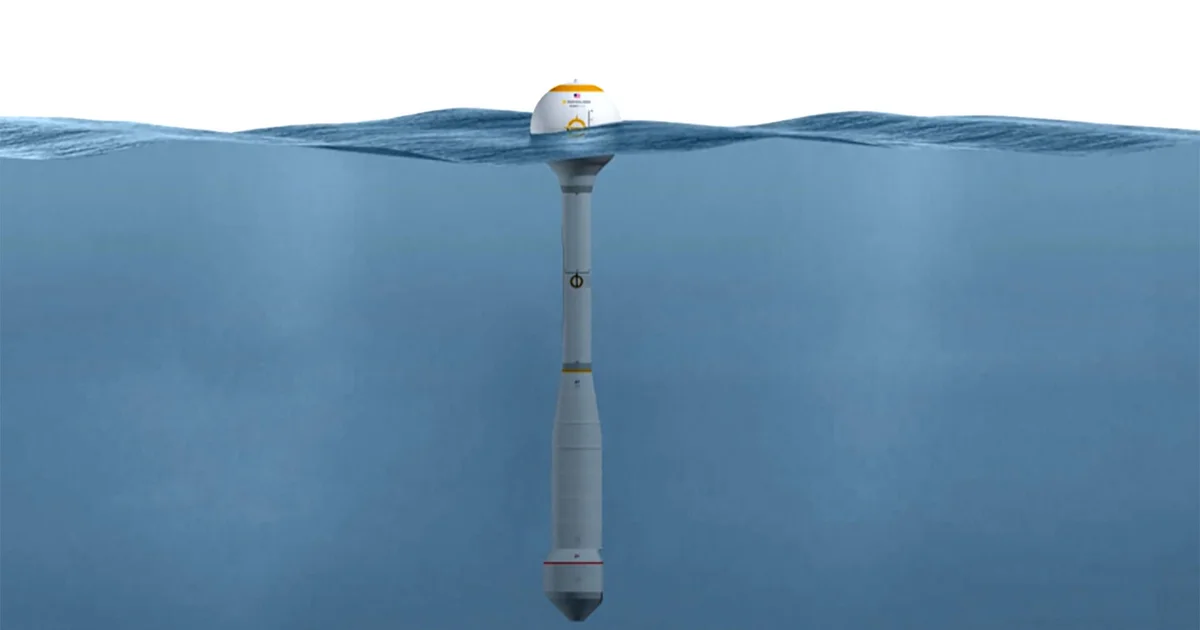
SouthernWorldwide.com – In a world increasingly reliant on data and artificial intelligence, the energy demands of data centers are skyrocketing. This surge in power consumption contributes significantly to global carbon pollution. However, a renewable energy company named Panthalassa has proposed an innovative solution: sea-based data centers powered by wave energy.
Panthalassa’s concept aims to revolutionize how we approach data center infrastructure by moving these energy-intensive facilities offshore. This not only addresses the environmental concerns associated with land-based data centers but also taps into a vast, underutilized energy source – the ocean’s waves.
The proliferation of AI technologies has created an unprecedented demand for computing power. Data centers, which house the servers and infrastructure necessary for these operations, are notorious energy consumers. Traditional data centers often rely on fossil fuels, exacerbating climate change issues.
Panthalassa’s sea-based data centers are designed to be self-sufficient, drawing their power directly from the relentless motion of the waves. This approach offers a truly sustainable alternative, aligning with the growing global push for renewable energy solutions.
Correspondent David Pogue has been investigating Panthalassa’s groundbreaking proposal. He aims to understand the potential implications of this alternative to conventional, land-based data centers. The concept is not just about powering technology; it’s about reimagining the very foundation of our digital infrastructure.
The idea of harnessing wave energy is not new, but its application to power data centers presents a unique set of engineering and logistical challenges. Panthalassa claims to have developed proprietary technology that can efficiently convert wave motion into electricity, suitable for powering sophisticated computing systems.
These offshore data centers would be anchored in the ocean, allowing them to withstand harsh weather conditions. The design must also consider the cooling requirements of the servers, as data centers generate a significant amount of heat. Leveraging the cool ocean water for cooling is another potential advantage of this offshore model.
The economic viability of such a venture is also a key consideration. Building and maintaining offshore infrastructure can be costly. Panthalassa would need to demonstrate that their solution is not only environmentally sound but also cost-competitive with existing land-based data centers.
Furthermore, the regulatory landscape for offshore data centers is still evolving. Panthalassa would need to navigate permits, environmental impact assessments, and international maritime laws. The success of this initiative could pave the way for a new era of sustainable digital infrastructure.
The potential benefits extend beyond just energy. Moving data centers offshore could also alleviate pressure on land resources and reduce the visual impact of these large industrial facilities in populated areas. It offers a forward-thinking approach to the challenges posed by the digital revolution.
David Pogue’s exploration into Panthalassa’s sea-based data centers seeks to provide a comprehensive overview of the technology, its potential benefits, and the hurdles that lie ahead. The conversation around sustainable data center solutions is becoming increasingly critical as our reliance on digital technologies continues to grow.
Panthalassa’s vision is ambitious, aiming to create a symbiotic relationship between technological advancement and environmental stewardship. By tapping into the power of the ocean, they hope to offer a cleaner, greener future for the data centers that underpin our modern world.
The development of AI and its integration into various sectors of society necessitate a significant increase in computing power. This, in turn, drives the need for more data centers, making sustainable energy solutions imperative.
The concept of floating data centers powered by renewable energy sources has been discussed in technological circles for some time. Panthalassa’s approach, focusing specifically on wave energy, offers a distinct angle on this ongoing discussion.
Read more : Financial Guidance for Caregivers of Elderly Family
The environmental impact of data centers is a growing concern. Reports have highlighted the substantial carbon footprint of these facilities, prompting researchers and companies to seek innovative solutions. Panthalassa’s proposal directly addresses this issue by offering a carbon-neutral power source.
The practical implementation of wave energy converters for data centers requires robust engineering to ensure reliability and efficiency. The company claims to have made significant advancements in this area, but real-world testing and deployment will be crucial for validation.
The potential for this technology to scale is also a significant factor. If Panthalassa’s model proves successful, it could be replicated globally, providing a sustainable power solution for data centers in coastal regions worldwide.
The interview with Panthalassa’s representatives and the examination of their technology by David Pogue aim to shed light on the feasibility and potential impact of this innovative approach. The future of data centers may well lie beneath the waves, powered by the ocean’s natural energy.
As the demand for data continues to grow exponentially, driven by advancements in AI, machine learning, and the Internet of Things, the need for sustainable and scalable data center solutions will only intensify. Panthalassa’s initiative represents a significant step towards meeting this challenge.
The company’s commitment to renewable energy is evident in their choice of wave power. This natural resource offers a consistent and predictable energy source, unlike some other forms of renewable energy that can be intermittent.
The idea of a self-contained, offshore data center ecosystem also raises questions about security and resilience. Offshore facilities might offer enhanced security from physical threats, and their independence from land-based power grids could improve resilience against natural disasters or grid failures.
Ultimately, the success of Panthalassa’s sea-based data centers will depend on a confluence of technological innovation, economic feasibility, and regulatory support. David Pogue’s report seeks to provide a clear picture of this complex and potentially transformative project.
The conversation around sustainable technology is no longer just about reducing environmental impact; it’s about creating resilient and future-proof infrastructure. Panthalassa’s wave-powered data centers are a testament to this evolving understanding.
The implications for the future of the internet and digital services are vast. As data centers become more powerful and numerous, finding sustainable ways to power them is not just an environmental imperative but a necessity for continued technological progress.
The potential for wave energy to power data centers represents a significant shift in thinking about energy infrastructure. It highlights the untapped potential of our oceans and the ingenuity of human innovation in addressing the challenges of the 21st century.
The future of data centers may well be offshore, powered by the rhythm of the waves, a vision Panthalassa is actively working to bring to reality.