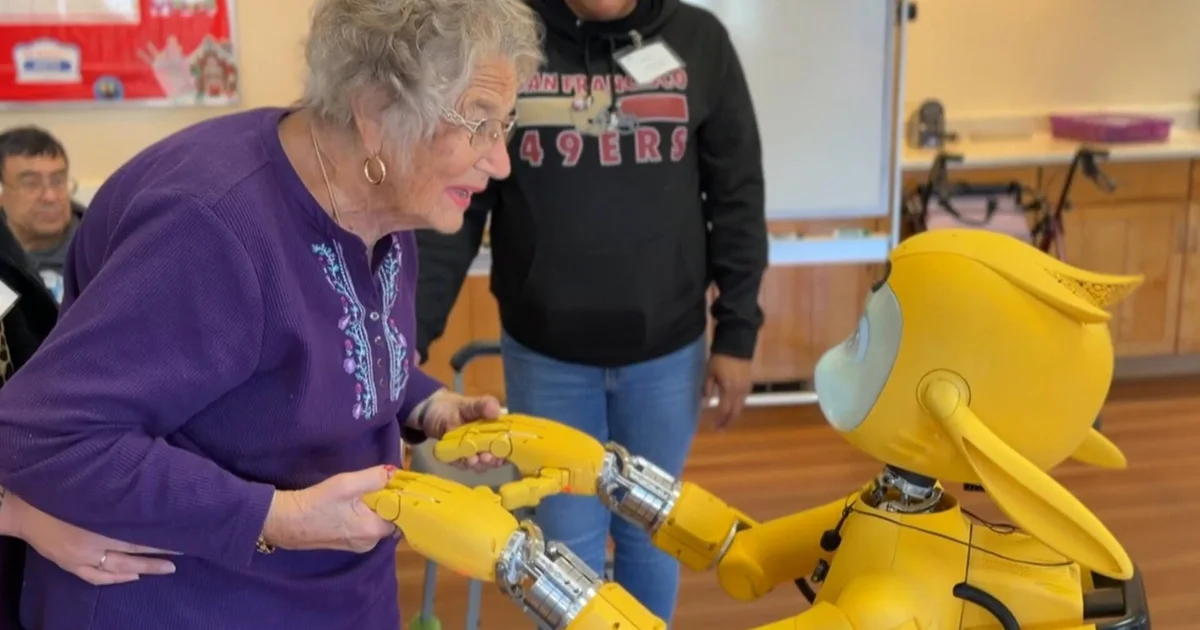
SouthernWorldwide.com – The increasing demand for elder care services, coupled with a significant shortage of human caregivers, is prompting many nursing homes to explore innovative solutions. Robots are emerging as a promising technological aid, designed to alleviate the workload on human staff and allow them to concentrate more on direct patient care.
This shift towards automation in elder care facilities is driven by a confluence of factors. An aging global population means more individuals require long-term care, placing a strain on existing resources. Simultaneously, the healthcare sector faces a persistent challenge in recruiting and retaining qualified caregivers, exacerbating the staffing crisis.
In response, nursing homes are looking to robots to handle tasks that are repetitive, physically demanding, or time-consuming. These tasks can range from delivering meals and medications to assisting with patient mobility and monitoring vital signs. By automating these functions, robots can free up valuable time for nurses and aides.
The goal is not to replace human interaction but to enhance it. Caregivers can then dedicate more attention to building relationships with residents, providing emotional support, and addressing complex care needs that require a human touch and critical thinking skills.
The integration of robots in this sector is still in its early stages, but the potential benefits are substantial. It offers a pathway to address the staffing shortages while improving the quality of care and the working conditions for healthcare professionals.
One of the primary benefits highlighted by facilities experimenting with robotic assistance is the reduction in physical strain on staff. Tasks like lifting and transferring residents can lead to injuries, and robots designed for these purposes can significantly mitigate that risk.
Furthermore, robots can operate with high precision and consistency, potentially improving the accuracy of tasks such as medication delivery. This can contribute to a safer environment for residents.
The efficiency gains are also notable. Robots can perform certain tasks around the clock without fatigue, ensuring continuous support for residents and reducing the overall operational burden on the facility.
However, the adoption of robotics in elder care also presents challenges. The initial cost of acquiring and implementing these technologies can be substantial. Additionally, training staff to operate and maintain the robots, as well as ensuring resident acceptance and trust, are crucial aspects that need careful consideration.
The human element of care remains paramount. While robots can assist with many practical tasks, they cannot replicate the empathy, compassion, and nuanced communication that human caregivers provide. Therefore, the focus remains on a collaborative model where technology supports, rather than supplants, human interaction.
The development of robots for elder care is an evolving field. As technology advances, we can expect to see more sophisticated and versatile robots capable of performing a wider range of tasks, further enhancing the capabilities of human caregivers.
The industry is actively exploring how to best integrate these tools to create a more sustainable and effective model for elder care, addressing the critical needs of both residents and the workforce.
Read more : James Talarico Expected to Win Texas Democratic Senate Primary
This technological advancement comes at a time when the demand for compassionate and skilled elder care is at an all-time high, making the role of robots in supporting human caregivers a vital conversation for the future of healthcare.