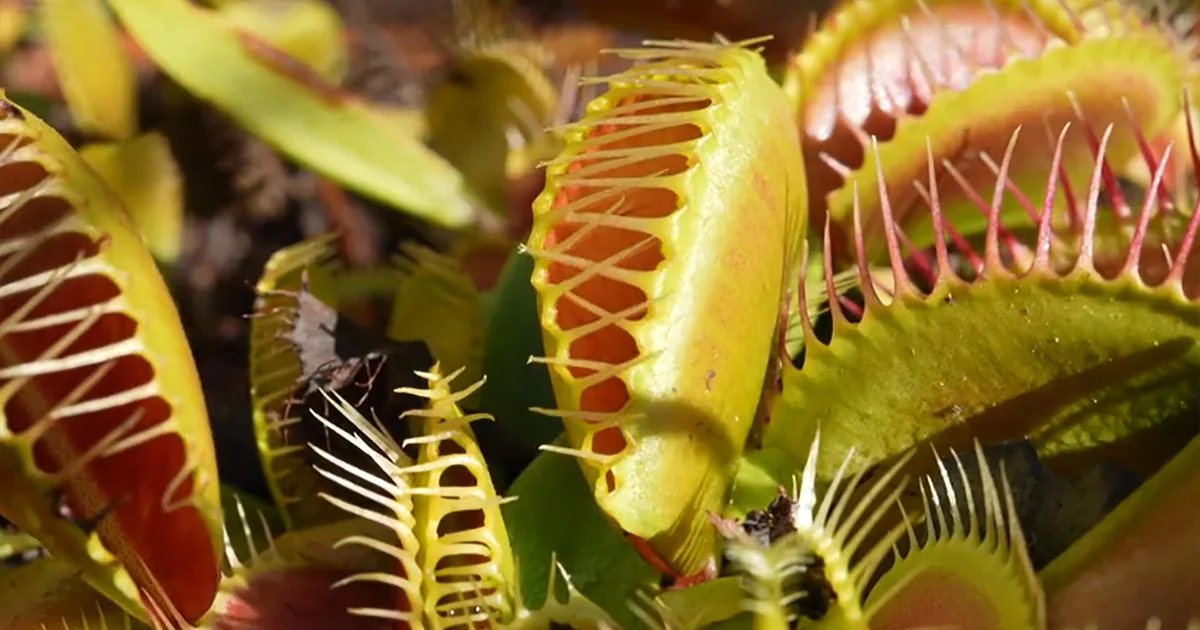
SouthernWorldwide.com – The Venus flytrap, a carnivorous plant native to the Carolinas, is facing a critical decline in its population. This alarming trend is primarily attributed to the loss of its natural habitat, threatening the survival of this unique species.
Botanist Julie Moore has dedicated a significant portion of her life to the conservation of these remarkable plants. Her extensive work has been instrumental in understanding and aiding the recovery of Venus flytrap populations.
Damon Waitt, director of the North Carolina Botanical Garden, highlights the extraordinary characteristics of the Venus flytrap. Charles Darwin himself famously described it as the most interesting plant in the world, a testament to its fascinating evolutionary adaptations.
The primary threat to the Venus flytrap’s existence is habitat loss. As development and land-use changes continue, the specific environmental conditions required for the flytrap’s survival are becoming increasingly scarce.
These specialized plants thrive in nutrient-poor, boggy environments. Such habitats are often found in the coastal plains of North and South Carolina, the only native range of the Venus flytrap.
The carnivorous nature of the Venus flytrap is a key adaptation to its nutrient-deficient environment. It captures insects and other small invertebrates to supplement its nutrient intake.
The traps are formed by modified leaves, hinged in the middle and lined with sensitive trigger hairs. When an insect touches these hairs multiple times in quick succession, the trap snaps shut.
Once captured, the prey is digested by enzymes secreted by the plant, providing essential nutrients that are lacking in the soil.
This intricate mechanism, honed over millions of years of evolution, makes the Venus flytrap a subject of intense scientific interest and admiration.
However, the very habitats that foster these unique adaptations are under constant pressure. Wetlands and pocosins, where Venus flytraps are most commonly found, are vulnerable to drainage and conversion for agriculture or development.
Conservation efforts are crucial for the long-term survival of the Venus flytrap. These efforts often involve protecting existing habitats and restoring degraded areas.
Botanists like Julie Moore are involved in various conservation strategies, including propagation and reintroduction programs.
The North Carolina Botanical Garden, under Damon Waitt’s direction, plays a vital role in preserving native plant species, including the Venus flytrap.
Their work includes research into the plant’s ecological needs and developing methods for successful cultivation and outplanting.
Restoring the delicate balance of these boggy ecosystems is paramount. This involves managing water levels and controlling invasive species that can outcompete the Venus flytrap.
Public awareness and education are also critical components of conservation. Understanding the threats facing the Venus flytrap can encourage broader support for its protection.
Many organizations are working collaboratively to ensure the future of this iconic plant.
The efforts of individuals like Julie Moore and institutions like the North Carolina Botanical Garden are vital in safeguarding the Venus flytrap for future generations.
The scientific community continues to study the Venus flytrap, seeking to unravel more of its biological mysteries.
Its unique evolutionary path and specialized adaptations make it a symbol of biodiversity and the importance of habitat preservation.
The dwindling population serves as a stark reminder of the impact human activities can have on even the most resilient natural wonders.
Conservationists are hopeful that through continued efforts and increased public engagement, the Venus flytrap can be saved from extinction.
The fate of this “most interesting plant in the world” rests on the successful protection and restoration of its fragile home.
Efforts to save the Venus flytrap are not just about preserving a single species; they are about protecting the biodiversity of entire ecosystems.
The carnivorous nature of the plant, while fascinating, also makes it particularly susceptible to changes in insect populations and prey availability.
Understanding the complex interplay between the Venus flytrap, its insect prey, and its environment is key to effective conservation.
The work of botanists and conservationists is a race against time to ensure this species continues to thrive.
Protecting the native range of the Venus flytrap is a collective responsibility.
By supporting conservation initiatives and raising awareness, we can contribute to the survival of this extraordinary plant.
Read more : Native American Tribes Sue to Halt Black Hills Drilling Near Sacred Site
The story of the Venus flytrap highlights the importance of biodiversity and the need for vigilant protection of our planet’s natural heritage.