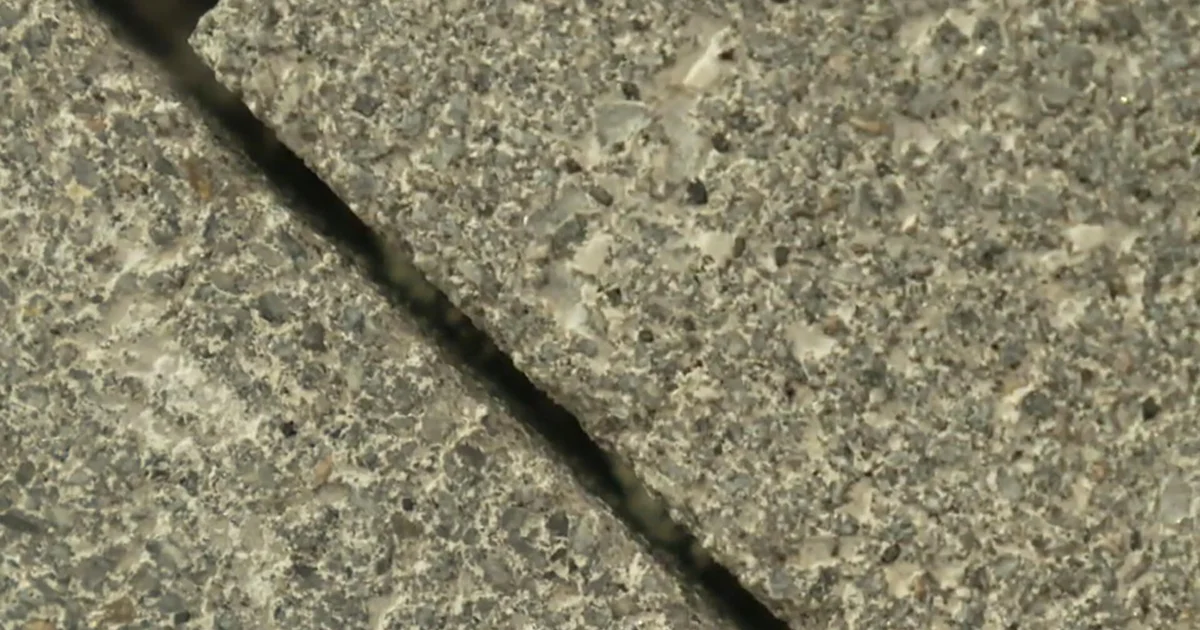
SouthernWorldwide.com – The construction industry’s reliance on concrete, a material responsible for significant carbon pollution, is facing a critical challenge. The production of 30 billion tons of concrete annually releases more carbon dioxide into the atmosphere than all the world’s ships and airplanes combined.
Recognizing this environmental impact, a company called Biomason, with operations in North Carolina and Denmark, is pioneering a sustainable alternative. They are leveraging biotechnology, specifically utilizing naturally occurring microbes, to create a novel material they call “biocement.”
This innovative biocement offers a compelling solution. It possesses the same structural integrity and sturdiness as traditional concrete. However, its production process is significantly less carbon-intensive, emitting substantially lower levels of CO2.
The breakthrough lies in harnessing the power of biology. Biomason’s process involves cultivating specific types of microorganisms. These microbes are capable of producing calcium carbonate, the key mineral component that binds materials together, effectively acting as a natural cement.
This biological approach offers a stark contrast to the energy-intensive manufacturing of Portland cement, the primary ingredient in conventional concrete. Portland cement production requires heating limestone and clay to very high temperatures, a process that releases large amounts of CO2.
Biomason’s method, on the other hand, operates at ambient temperatures, drastically reducing the energy footprint. The process is also designed to be circular, with the potential to utilize waste materials as feedstock for the microbes.
The implications for the building sector are profound. As global efforts to combat climate change intensify, the demand for sustainable construction materials is set to soar. Biocement from Biomason could play a pivotal role in decarbonizing the industry.
The company’s vision extends beyond just reducing emissions. They aim to create materials that are not only environmentally friendly but also healthier and more adaptable to different architectural needs.
David Pogue, in his report, highlighted the potential of this technology. He emphasized that by working with nature, rather than against it, the construction industry can move towards a more responsible and sustainable future.
The development of biocement represents a significant step forward in green building. It offers a tangible pathway to reducing the environmental burden of construction without compromising on the performance and durability of essential structures.
This innovation is particularly relevant given the sheer scale of concrete usage worldwide. Its widespread adoption could lead to a substantial reduction in global carbon emissions, contributing meaningfully to climate change mitigation efforts.
Biomason’s work is a testament to the potential of bio-based solutions in addressing some of the world’s most pressing environmental challenges.
The company’s commitment to sustainability is evident throughout their operations. They are not only focused on the reduction of CO2 but also on creating a healthier and more circular economy for building materials.
The future of construction may well be shaped by such biological innovations, moving away from high-emission processes towards methods that work in harmony with natural systems.
This approach could also lead to the development of novel building materials with unique properties, opening up new possibilities for architects and designers.
The report underscores the urgency of finding alternatives to traditional concrete production methods. The environmental cost of current practices is simply too high to ignore.
As the world grapples with the consequences of industrialization, companies like Biomason are offering hopeful glimpses into a more sustainable industrial future.
The potential for biocement to revolutionize the construction landscape is immense. Its scalability and environmental benefits make it a promising candidate for widespread adoption.
The key advantage remains the biological process itself, which inherently uses less energy and produces fewer harmful byproducts compared to conventional methods.
This technology could be instrumental in achieving net-zero targets within the construction sector, a critical goal for global climate action.
The report by David Pogue serves as an important reminder of the ongoing innovations aimed at creating a more sustainable built environment.
The successful implementation of biocement on a large scale would signify a major shift in how we approach building and infrastructure development.
Companies are increasingly recognizing the need to innovate responsibly, aligning business practices with environmental preservation goals.
Biomason’s biocement is not just an alternative material; it represents a paradigm shift in manufacturing, prioritizing ecological health alongside material performance.
The global push for sustainability in all sectors highlights the critical importance of such technological advancements.
The construction industry, being a major contributor to global emissions, is a prime target for these innovative, eco-conscious solutions.
The use of microbes to create building materials is a fascinating intersection of biology and engineering, offering a glimpse into the future of sustainable production.
Read more : Pennsylvania Sues Character AI Over Chatbot's Medical Impersonation
The potential for this technology to reduce the carbon footprint of cities worldwide is substantial.
Ultimately, the transition to materials like biocement is crucial for building a resilient and environmentally responsible future.
The ongoing research and development in this field are vital for the long-term health of our planet and the sustainability of our infrastructure.
This innovation is a beacon of hope, demonstrating that progress in industry can coexist with environmental stewardship.
The story of Biomason’s biocement is a compelling example of how nature-inspired solutions can address industrial-scale environmental challenges.
The world is watching as these bio-based alternatives gain traction, promising a greener path forward for construction.
The impact of such innovations cannot be overstated, especially in a sector that is so fundamental to global development and economic activity.
This move towards biocement is a critical part of the broader effort to create a circular economy within the construction industry.
The future of building materials is evolving, and the focus is increasingly on sustainability and reduced environmental impact.
Biomason’s technology is at the forefront of this evolution, offering a glimpse into what the next generation of construction materials might look like.
The ability to grow buildings using biological processes could fundamentally change how we think about and construct our living spaces.
The report highlights the importance of supporting and scaling these innovative solutions to meet global sustainability goals.
The journey from laboratory innovation to widespread industrial application is challenging, but the potential rewards for the planet are immense.
The story of biocement is a powerful illustration of how scientific ingenuity can lead to solutions for critical environmental problems.
It is a promising development that could significantly contribute to the global effort to reduce carbon emissions and build a more sustainable future for all.
The continued development and implementation of such technologies are essential for the long-term viability of our planet’s resources.
The focus on biotechnology in manufacturing is a growing trend, and biocement is a prime example of its transformative potential.
The environmental benefits, coupled with the material’s performance, make it a truly compelling alternative to traditional concrete.
This innovation is not just about a single product but about a new way of thinking about building materials and their lifecycle impact.
The global construction industry faces immense pressure to adopt more sustainable practices, and biocement offers a viable solution.
The future of construction is increasingly leaning towards bio-based and circular economy principles, and Biomason is leading the charge.
The potential for biocement to reduce the carbon footprint of the built environment is a critical aspect of this technological advancement.
This story serves as an inspiration for further innovation in sustainable materials and construction practices worldwide.