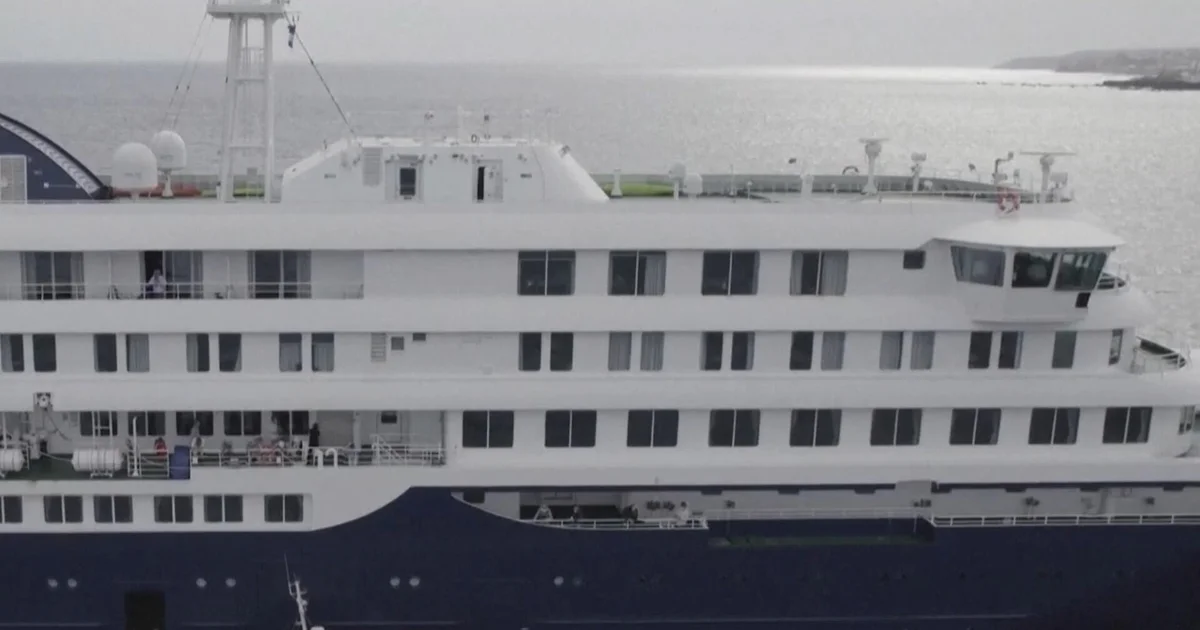
SouthernWorldwide.com – The hantavirus outbreak aboard a cruise ship has raised serious concerns, with investigators working around the clock to contain the deadly virus. The first-ever recorded hantavirus infection on a cruise ship has put more than 140 people, including 17 Americans, in a precarious situation as they remain aboard.
The situation is particularly concerning given that hantavirus is a severe and potentially fatal respiratory illness transmitted through contact with dried urine, droppings, and saliva of infected rodents.
Health officials are meticulously working to identify the source of the outbreak and prevent further spread among the passengers and crew. The isolation of the cruise ship serves as a critical measure in this containment effort.
The number of Americans on board, while a small fraction of the total passengers, highlights the international nature of the crisis and the need for coordinated global health responses.
Tom Hanson’s report provides crucial insights into the ongoing efforts to manage this unprecedented public health challenge at sea.
The hantavirus outbreak on the cruise ship represents a significant and concerning event in public health history.
This is the first recorded instance of hantavirus infection occurring on a cruise ship, making it a unique and challenging situation for health authorities.
The virus, known for its severity, has put the health and safety of over 140 individuals on board under immediate threat.
Among those still on the vessel are 17 American citizens, a detail that underscores the international concern surrounding the outbreak.
Investigators are in a race against time to identify the precise source of the hantavirus contamination.
Their primary goal is to prevent any further transmission of the virus among the passengers and the ship’s crew.
The standard mode of hantavirus transmission involves contact with the excreta of infected rodents, typically through inhalation of aerosolized virus particles.
However, the cruise ship environment presents unique challenges for tracing the source and implementing control measures.
Public health officials are employing rigorous protocols to manage the situation onboard.
These measures are crucial for containing the spread of this potentially deadly disease in a confined setting.
The presence of American citizens on the ship has drawn the attention of U.S. health agencies and diplomatic channels.
Ensuring the well-being and safe repatriation of these individuals is a top priority.
The incident highlights the complex interplay between travel, public health, and infectious disease surveillance in the modern era.
Read more : Ted Turner's Life: A Look Back
Tom Hanson’s reporting aims to shed light on the critical steps being taken to address this health emergency.
His work provides a vital public service by informing the audience about the unfolding events and the efforts to control the outbreak.
The situation on the cruise ship serves as a stark reminder of the persistent threat posed by zoonotic diseases.
Understanding the transmission dynamics of hantavirus is key to managing such outbreaks effectively.
The cruise industry, while a popular mode of travel, must remain vigilant about potential health risks, including those associated with rodent populations.
Health authorities will likely review the incident to identify any gaps in protocols or areas for improvement in future maritime health security.
The psychological impact on passengers and crew, facing an invisible threat in a confined space, is also a significant consideration.
Effective communication and transparent information dissemination are vital for maintaining trust and managing anxieties during such crises.
The global health community will be closely watching the developments on this cruise ship.
Lessons learned from this hantavirus outbreak could inform responses to similar situations in the future.
The dedication of the health officials and crew members working tirelessly to manage this outbreak is commendable.
Their efforts are critical in mitigating the impact of the hantavirus on board.
The focus remains on ensuring the safety of all individuals on the ship and preventing the virus from spreading further.
The long-term health implications for those affected by the hantavirus will also require careful monitoring and support.
This incident underscores the importance of robust public health infrastructure, both on land and at sea.
The hantavirus outbreak serves as a potent reminder of the need for preparedness and rapid response capabilities in the face of emerging infectious diseases.