SouthernWorldwide.com – While most Americans are concerned about the increase in political violence, the Broadway theater scene appears to be embracing it.
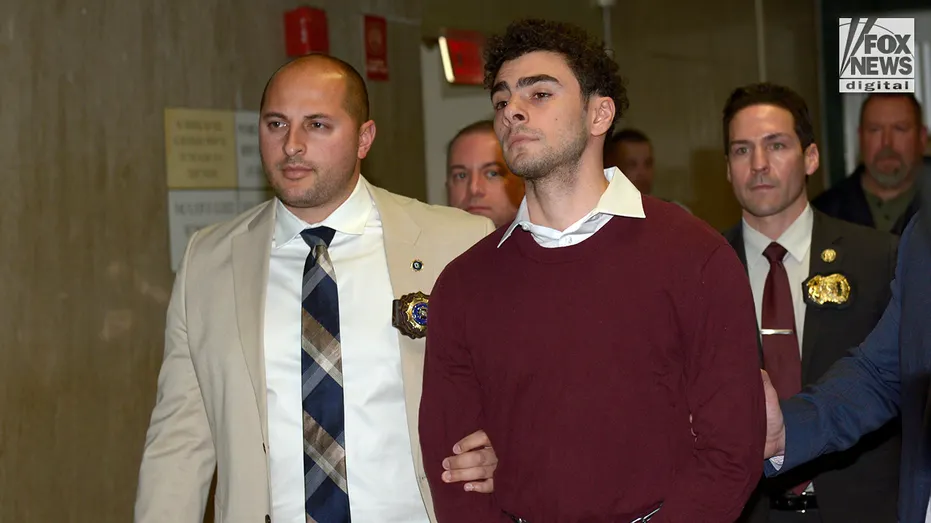
A satirical musical centered around Luigi Mangione, a 28-year-old accused of murder, is scheduled to premiere in Manhattan in June. Titled “Luigi: The Musical,” the show will be performed at a venue near the location where Mangione allegedly shot and killed a father of two in broad daylight.
The choice of location and the timing of the show’s New York debut seem intentional. The opening night is set for June 15, just a week after Mangione’s state trial was originally slated to begin. However, a New York judge has postponed the trial until the fall.
Regardless of the trial’s delay, the musical is expected to be a sell-out, judging by its previous successful run in San Francisco last year. All five performances in June 2025, which occurred just six months after Mangione allegedly murdered UnitedHealthcare CEO Brian Thompson, were reportedly sold out and received standing ovations.
UNITEDHEALTHCARE CEO MURDER: IVY LEAGUE GRAD SUSPECT SPAWNS MOVEMENT FUELED BY ANTI-CAPITALIST SENTIMENT
The creators of “Luigi: The Musical” maintain that it is a comedy and not intended to downplay the severity of Mangione’s alleged crimes. They also state it is not meant to trivialize the situations of Sean “Diddy” Combs and FTX founder Sam Bankman-Fried, who are also featured in the musical and are depicted as being held in Brooklyn’s Metropolitan Detention Center alongside Mangione.
However, in Mangione’s case, the musical does exactly that. According to one of the co-writers, the show aims to expose “big pillars of institutions in society,” including the healthcare industry, which are “failing in their trust.” The musical portrays Mangione’s character using these institutional failures to justify his actions, even going so far as to have him call himself a “martyr.”
“Bringing down a tiny part of our broken healthcare system brings me enough happiness to share!” the stage version of Luigi reportedly sings, issuing a warning that he will kill any other CEO he deems an obstacle to progress.
Unlike the musical’s creators, the author believes audiences are not being fooled. It’s quite evident that people are eager to see “Luigi: The Musical” for the same reason its writers could produce it in under two months: because they share the underlying reasons Mangione has claimed drove him to allegedly shoot a man in the back and feel sympathy for him because of it. Whether they admit it or not, the effect is to normalize and even make radicalization seem understandable.
NEARLY 40% OF YOUNG AMERICANS SAY POLITICAL VIOLENCE CAN BE JUSTIFIED IN CERTAIN SITUATIONS
Baca juga di sini: How Our Leaders' Reckless Policies Cost My Daughter Her Life and Legacy
Unfortunately, Gen Z, the author’s own generation, seems to be at the forefront of making this type of extremism mainstream. Young adults are alarmingly open to the use of political violence, with a 2024 poll indicating that 41% of individuals aged 18 to 29 believe it is “somewhat” or “completely” acceptable to kill a CEO, as Mangione is accused of doing.
A separate poll from 2025 similarly found that 40% of young Americans think political violence can be justified under certain circumstances, such as when an individual “promotes extremist beliefs.”
Gen Z supports Mangione because they see him as a symbol of the resentment and anger they feel towards institutions they believe have failed them. They share many of his documented grievances, including climate change doomerism and frustration with capitalism. Mangione is being portrayed as Gen Z’s Robin Hood or, as the New York Post put it, their Jean Valjean.
By presenting Mangione as a figure of fascination rather than condemnation, “Luigi: The Musical” reinforces the growing belief among young adults that the only way to achieve the change they desire is by violently taking matters into their own hands.
This is a deliberate strategy. For many years, the left has leveraged the cultural institutions it controls, including the arts, to sow the seeds of revolution among America’s youth. This approach teaches them to view themselves as victims of an irredeemably flawed system. Within this perspective, political violence is not a moral failing but an exercise of agency.
Mangione is a direct consequence of this left-wing fatalism, as are the audiences willing to consume his alleged crimes as art.
This ideology’s influence extends beyond the stage. In New York City, in particular, it has permeated the city’s political landscape, culminating in the election of socialist and disruptor Mayor Zohran Mamdani last year, an election in which young adults played a significant role.
The author believes that the overlap between young New Yorkers who wear “Hot Girls for Zohran” shirts and those attending “Luigi: The Musical” in June is substantial. This is further supported by the fact that Mamdani’s own political campaign director expressed support for Mangione, stating he looks forward to “driving down Mangione Avenue a few decades from now.”
In essence, “Luigi: The Musical” represents only the visible part of a larger issue. Addressing the political violence plaguing the country will require more than simply disapproving of those who romanticize its perpetrators, like Mangione. Most importantly, it necessitates confronting the left-wing ideology that is giving rise to these perpetrators in the first place.