SouthernWorldwide.com – The phenomenon of “overtourism,” where popular destinations become overwhelmed with visitors, is a growing concern globally. While tourism is a significant contributor to the global economy, accounting for 10% of it, many places are struggling to cope with the sheer volume of tourists.
This influx is often fueled by social media, which can rapidly popularize locations, leading to an unsustainable number of visitors. Destinations like Amsterdam, Paris, Venice, and Portofino are experiencing the tangible impacts of this trend.
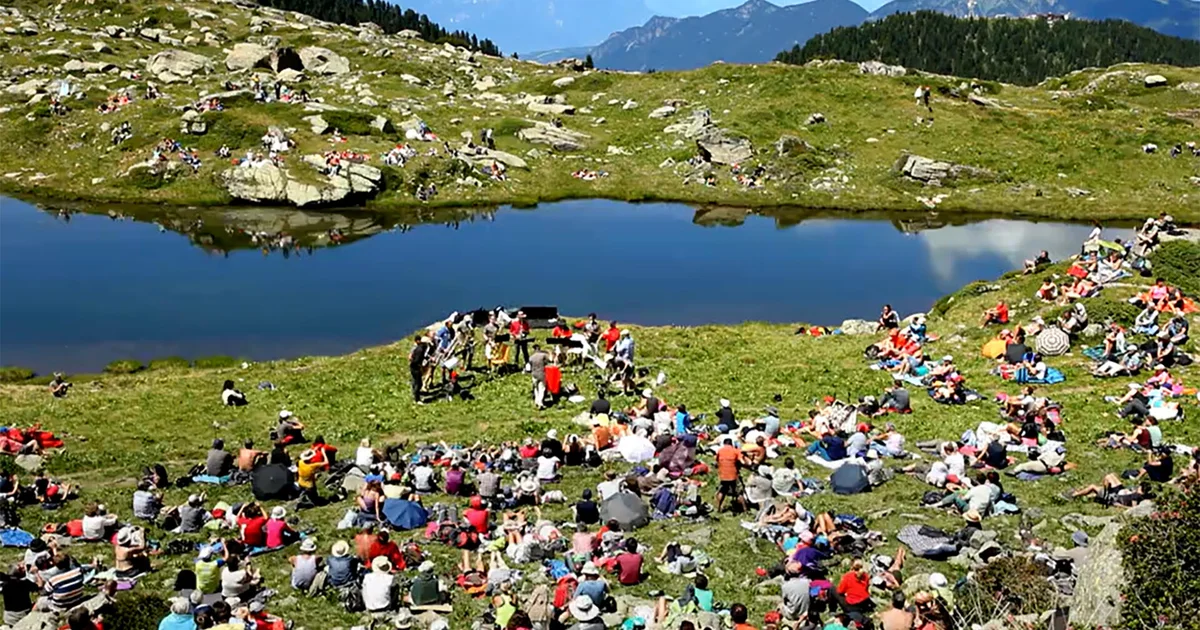
Correspondent Seth Doane has been investigating these effects, observing how tourism impacts not only cities and resorts but also fragile natural attractions. His reporting delves into why some residents in these popular locales are pushing back against the constant stream of visitors, or even actively seeking to redefine tourism itself.
The core issue is the strain placed on local infrastructure, culture, and the environment when visitor numbers far exceed what a place can naturally support. This can lead to increased pollution, damage to historical sites, and a diminished quality of life for residents.
In Venice, for example, the daily arrival of massive cruise ships has been a major point of contention. These ships disgorge thousands of tourists at once, overwhelming the already delicate canal system and contributing to erosion.
Amsterdam has seen similar struggles, with authorities implementing measures to limit tourist numbers and redirecting visitors away from the most congested areas. The city has also been working to combat the effects of bachelor parties and other disruptive tourist behavior.
The rise of social media has played a pivotal role in exacerbating overtourism. Picture-perfect spots, often shared extensively online, can quickly become overrun, turning once-peaceful locations into crowded tourist hubs.
This raises questions about the sustainability of current tourism models. Is it possible to balance the economic benefits of tourism with the need to preserve destinations for future generations and for the well-being of local communities?
Some destinations are exploring innovative solutions. This includes implementing tourist taxes, limiting access to certain areas during peak times, and promoting off-season travel to distribute visitor numbers more evenly throughout the year.
Read more : Navigating the Approval Process for Health Claims
There’s also a growing movement towards more responsible and sustainable tourism practices. This involves educating tourists about the impact of their choices and encouraging them to engage with local cultures in a respectful manner.
The concept of “slow tourism” is gaining traction, advocating for longer stays in fewer locations, allowing visitors to immerse themselves more deeply in a place and reduce their overall travel footprint.
In Portofino, Italy, a picturesque fishing village, authorities have recently implemented a booking system to manage the crowds, particularly during peak summer months. This aims to ensure a more pleasant experience for both visitors and residents.
The challenge for many destinations is finding the right balance. Tourism provides vital economic opportunities, supporting local businesses and creating jobs. However, unchecked growth can lead to the very degradation that makes these places attractive in the first place.
The discussion around overtourism is not just about managing numbers; it’s about rethinking the entire tourism ecosystem. It involves collaboration between governments, tourism operators, local communities, and tourists themselves.
The goal is to foster a tourism industry that is not only economically viable but also environmentally sustainable and socially responsible, ensuring that the “good thing” of travel doesn’t become “too much of a good thing.”
As Seth Doane’s report highlights, the future of many beloved destinations may depend on finding new ways to welcome visitors without overwhelming them.
This includes promoting lesser-known attractions to alleviate pressure on hotspots and encouraging a deeper appreciation for the cultural and natural heritage that draws people to these places.
The impact of overtourism can also be seen in the rising cost of living for residents in popular tourist cities, as demand from visitors drives up prices for housing and everyday goods.
Addressing overtourism requires a multi-faceted approach, acknowledging the complex interplay between economic development, cultural preservation, and environmental protection.
The experiences in Amsterdam, Paris, Venice, and Portofino serve as important case studies, offering valuable lessons for other destinations grappling with similar challenges.
Ultimately, the conversation is about ensuring that tourism remains a force for good, enriching both the lives of travelers and the communities they visit.
The long-term viability of these destinations hinges on implementing strategies that promote sustainable growth and protect the unique character that makes them so appealing.
The challenge lies in managing the delicate balance between accessibility and preservation, ensuring that the charm and authenticity of these places are not lost in the pursuit of mass tourism.
This ongoing dialogue is crucial for shaping a more responsible and rewarding future for global travel.
The impact of social media on travel trends continues to be a significant factor, necessitating adaptive strategies from destination management organizations.
The ultimate aim is to create a positive feedback loop where tourism benefits everyone involved, from the local economy to the preservation of cultural heritage and natural beauty.
The efforts to redefine tourism and manage visitor flows are critical for the continued health and appeal of these globally significant locations.
As the world becomes more interconnected, the lessons learned from tackling overtourism will be invaluable for sustainable development worldwide.