SouthernWorldwide.com – Americans are aware that there’s a significant issue within their healthcare system. They’re experiencing continuously rising premiums, escalating deductibles, and receiving medical bills with charges that are often inexplicable. The underlying cause of these frustrations is that the system operates with a high degree of secrecy.
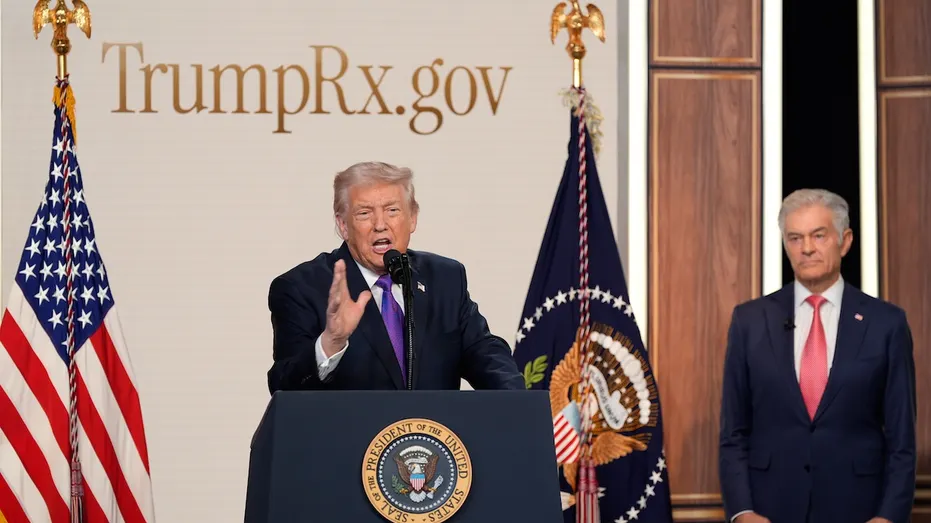
On May 18, President Donald Trump addressed the issue of drug pricing by expanding TrumpRX. This platform, a first of its kind, aims to enable Americans to find their medications at lower prices, modeled after services like Airbnb or Priceline.com. The next logical step for him would be to focus on hospitals and insurance companies.
Healthcare remains one of the most expensive and least transparent sectors of the American economy. Hidden prices, convoluted billing systems, and numerous intermediaries result in taxpayers and working families losing hundreds of billions of dollars annually due to fraud, waste, and abuse.
The positive news is that the Trump administration possesses the necessary authority to begin providing relief to the American people immediately. What is currently lacking is consistent enforcement of existing regulations.
There are three practical steps that could be implemented without delay to reduce costs, expose fraudulent activities, and restore public confidence in the healthcare system.
Firstly, patients should be informed of prices before receiving care. This would empower them to actively participate in combating fraud, waste, and abuse.
Americans are unable to effectively fight fraud if they cannot identify it. Currently, most patients only discover the true cost of their medical care after treatment has concluded and the bills begin to arrive. By that point, it is too late to compare prices or contest questionable charges.
Congress and President Trump previously addressed this problem with the No Surprises Act, which authorized an Advanced Explanation of Benefits (AEOB). This provision stipulated that patients should receive itemized charges prior to scheduled care, detailing expected services, prices, and out-of-pocket expenses. However, this protection remained unimplemented for four years under President Joe Biden’s administration and is still not fully in effect.
Finalizing the implementation of the AEOB would immediately introduce a level of accountability. Patients would be able to compare prices, identify inflated charges before treatment, and establish a documented record in case of future billing disputes with insurers or providers. Every other significant purchase in the economy comes with a predetermined price; healthcare should be no different.
Secondly, the federal employee health program requires significant improvements and oversight.
The Federal Employees Health Benefits Program is one of the largest healthcare purchasers in the nation. Despite its size, taxpayers and the government itself still lack basic visibility into how a substantial portion of the allocated funds are utilized.
Under current legislation, the Office of Personnel Management already has the authority to mandate standardized claims and pricing data, conduct rigorous audits, and verify dependent eligibility. These are fundamental financial controls that would be expected in any competently managed organization.
Baca juga di sini: Experimental Alzheimer's Drug May Lower Alcohol Withdrawal Harm
Audits have the potential to uncover instances of duplicate billing, inflated charges, and improper payments. Verifying eligibility can effectively eliminate fraudulent or outdated enrollments that continue to drain taxpayer funds long after they should have been terminated.
Enhanced oversight alone has the capacity to save billions of dollars without necessitating benefit reductions or the passage of any new legislation.
Thirdly, transparency must be enforced across employer-sponsored health plans.
The majority of Americans receive their health coverage through employer or union-sponsored plans. However, many employers are denied access to the data necessary to identify fraud and effectively control costs. This situation needs to change.
The Department of Labor is already moving towards requiring more robust compensation disclosure from Pharmacy Benefit Managers under ERISA. These transparency requirements should be expanded to include third-party administrators, insurance companies, stop-loss carriers, and any entity that receives compensation from plan assets.
Employers and plan fiduciaries require direct access to claims data, payment records, and fee structures, free from interference by intermediaries.
Currently, many employers are essentially issuing blank checks, while intermediaries operate behind multiple layers of secrecy. Implementing transparency would transform employers from passive payers into active purchasers, capable of negotiating better value for both their employees and the business itself.
These mechanisms already exist, but they are not being utilized. This is not a failure of policy, but rather a failure of enforcement. Transparency rules are rendered meaningless without corresponding enforcement measures.
Federal transparency regulations are in place for hospitals and insurers. However, many organizations continue to submit incomplete or unusable pricing data with minimal or no repercussions.
Americans are weary of hidden prices, surprise medical bills, and unexplained charges. They demand accountability. Furthermore, unlike many debates surrounding healthcare, this issue is not fundamentally about ideology. It is about whether patients, employers, and taxpayers have a right to know where their money is being spent.
The necessary authority is already established. The relevant laws are already in effect. What is now required is the political will to enforce them. Maximizing price transparency enforcement is the most direct and rapid pathway to empowering Americans and making healthcare affordable once again, and the Trump administration has the capability to achieve this.