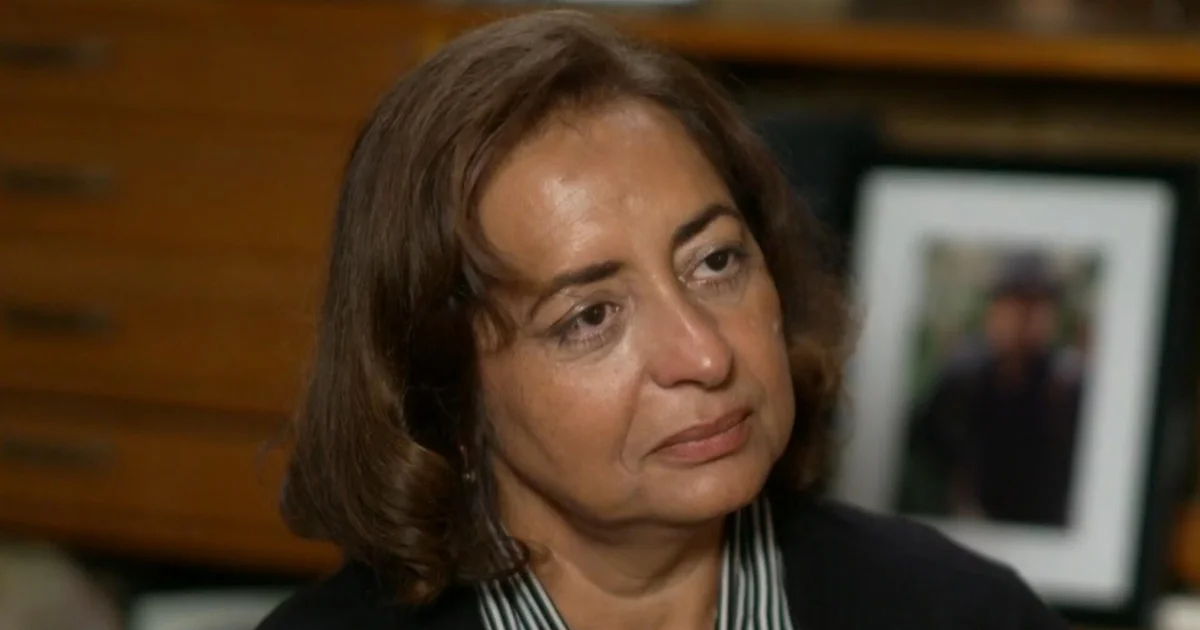
SouthernWorldwide.com – A courtroom translator in Texas who had been legally working in the United States for decades was released after six weeks in ICE custody. Shanelle Kaul spoke exclusively with the translator, Meenu Batra.
Batra expressed her relief at being released, but also shared the lingering effects of her detention. She stated, “I am still processing everything that happened. It’s hard to believe I was detained for so long.”
The translator, who has been a vital resource in Texas courtrooms for over 20 years, was arrested and taken into custody by Immigration and Customs Enforcement (ICE) in early April.
Her detention sparked outrage among legal professionals and immigrant advocates who highlighted her critical role in ensuring justice for non-English speaking individuals.
Batra’s lawyer, Jeremy McKinney, emphasized her impeccable legal record and her contributions to the community. “Meenu Batra is a respected and essential member of our legal system,” McKinney said. “Her detention was a grave injustice and a disservice to the pursuit of justice.”
During her interview, Batra shared details about her experience in ICE custody, describing it as a period of uncertainty and fear.
“The conditions were difficult, and the constant uncertainty about my future was overwhelming,” Batra recalled. “I was constantly watching over my shoulder, wondering what would happen next.”
She recounted the moments leading up to her arrest, which she described as abrupt and unexpected.
“I was going about my day, and suddenly, I was surrounded by ICE agents,” Batra said. “It was a terrifying experience, and I didn’t understand why I was being targeted.”
Batra’s detention raised serious questions about ICE’s enforcement priorities and the impact of such actions on individuals who have established lives and careers in the United States.
Immigrant rights organizations have been vocal in their criticism of ICE’s practices, calling for a more humane and just approach to immigration enforcement.
“Detaining individuals like Meenu Batra, who have made significant contributions to society, is counterproductive and harmful,” stated Maria Rodriguez, a spokesperson for the National Immigration Forum.
Rodriguez added, “We need policies that prioritize family unity and uphold the dignity of all individuals, regardless of their immigration status.”
The case of Meenu Batra has shed light on the complex and often challenging realities faced by immigrants in the United States, particularly those who work within the legal system.
Her release is seen as a victory by many, but the emotional and psychological toll of her detention remains a significant concern.
“I am grateful to be out, but the experience has left a mark,” Batra admitted. “I hope that my story can help bring about positive change in how immigrants are treated.”
Batra plans to continue her work as a translator, advocating for a more just and equitable immigration system.
“I believe in the importance of access to justice for everyone,” Batra asserted. “I will continue to use my voice to ensure that all individuals have the opportunity to be heard and understood.”
Her experience serves as a powerful reminder of the human impact of immigration policies and the need for compassionate and fair treatment of all members of society.
The legal community has rallied around Batra, expressing their support and admiration for her resilience.
Many have emphasized the critical need for translators like Batra, whose work is essential for the functioning of the justice system.
“Without skilled translators, many individuals would be denied their fundamental right to a fair trial,” explained a local judge who wished to remain anonymous.
The judge added, “Meenu Batra’s dedication and professionalism have been invaluable to our courts.”
Advocates are now calling on lawmakers to review and reform ICE’s detention and deportation policies.
They argue that such policies should be more targeted and should not disrupt the lives of individuals who are integral to their communities.
The case has also raised discussions about the broader implications of immigration enforcement on essential workers and the potential for unintended consequences.
Batra’s story underscores the importance of considering an individual’s contributions and community ties when making decisions about immigration enforcement.
As Batra begins to heal and move forward, her voice remains a powerful advocate for change.
She hopes that her ordeal will encourage a more nuanced and humane approach to immigration, one that recognizes the value and contributions of all immigrants.
“My aim is to ensure that no one else has to go through what I experienced,” Batra stated with determination.
Read more: States Monitor Hantavirus Cruise Ship Passengers
Her journey highlights the ongoing challenges and the critical need for reform within the immigration system.