SouthernWorldwide.com – The Trump administration is actively engaging with the Iranian people directly, even as negotiations with Tehran continue.
This outreach aims to bypass the current isolation campaign targeting Iran’s leadership and deliver a distinct message to its citizens.
A key statement emphasizes: “The Iranian people are not the problem. A leadership that fears openness and chooses confrontation over opportunity is the problem.”
This message is scheduled to be broadcast on Thursday in Persian through outlets like Iran International and BBC Persian.
The State Department, utilizing a narrator speaking Farsi, focuses on core themes of freedom, opportunity, and self-determination in its communication.
The video portrays the Iranian populace as possessing the capability to build a more prosperous future, suggesting that the current leadership has hindered this potential.
The translated narration states: “When Americans see Iran, we see a great people with a rich history and a generation full of talent and potential.”
“Today, millions of Iranians want what people everywhere want: opportunity, stability, a chance to speak freely, and live without fear. Iran has the talent, resources, and educated young people to be among the world’s most prosperous nations.”
It further elaborates: “The future of Iran should be shaped by its people, not by intimidation or fear. It should be built by the people themselves.”
“Iran’s story is still being written. Its best chapter may still lie ahead.”
The rationale behind this direct communication is articulated as follows: “Speaking directly to the people of Iran is important because our disagreement has never been with them, it has always been with a regime that prioritizes funding terror and pursuing a nuclear weapon over the aspirations, prosperity, and freedom of the Iranian people.”
“By speaking directly to them, we’re making clear that America stands with the people of Iran.”
This initiative unfolds amidst ongoing discussions between U.S. and Iranian officials regarding a potential agreement.
This creates a unique situation where Washington is negotiating with Iran’s government while simultaneously communicating with its citizens that the regime is hindering the nation’s progress.
The video is anticipated to be perceived by some regime opponents as a form of symbolic support, particularly at a time when many critics of the Islamic Republic have urged for more tangible actions from Washington.
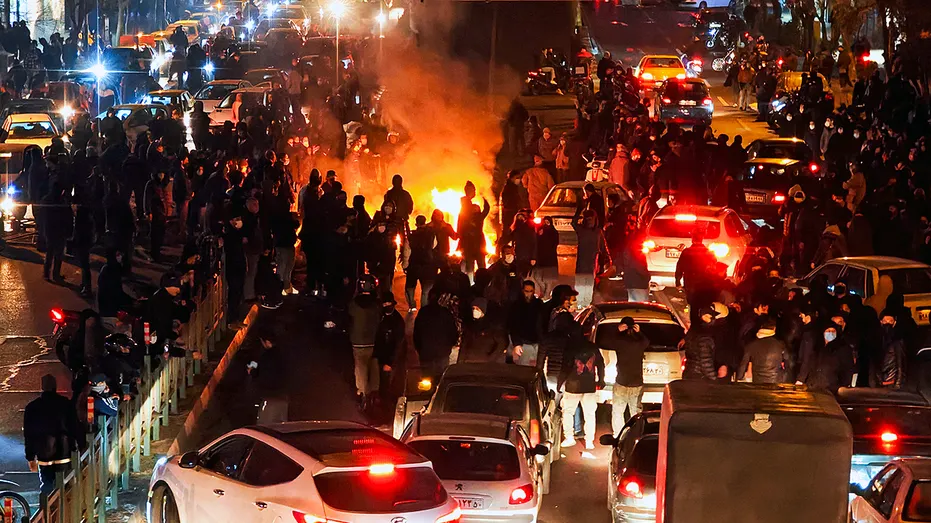
Earlier in 2026, widespread anti-government protests erupted across Iran, presenting one of the most significant challenges to the Islamic Republic in decades before being suppressed by a forceful government crackdown.
Human rights groups and international monitors reported that protesters faced mass arrests, internet disruptions, and the use of lethal force by security services.
Iran’s opposition remains fragmented, with divisions existing among monarchists, reformists, ethnic movements, and other factions.
Intelligence assessments have also raised questions about the viability of a unified alternative force positioned to assume power should the Islamic Republic collapse.
The current messaging from the administration echoes previous statements made by President Donald Trump earlier in 2026, suggesting that significant political change within Iran would ultimately need to originate from within the country.
Secretary of State Marco Rubio stated on March 2, shortly after the U.S. initiated offensive strikes known as Operation Epic Fury: “We hope the Iranian people can overthrow the government.”
While the Trump administration has publicly affirmed that negotiations with Tehran are ongoing, substantial obstacles persist.
These include Iran’s nuclear program, the potential for sanctions relief, and security arrangements in the Strait of Hormuz.
Rubio informed lawmakers this week that any agreement would necessitate major concessions from Iran and stressed that the administration would not lift sanctions solely in exchange for the reopening of the strategic waterway.
The release of the video also coincides with millions of Iranians regaining access to the outside world after a prolonged period of digital isolation.
Iranian authorities recently began restoring internet access following an 88-day nationwide blackout.
This blackout was initially imposed during anti-government protests and later extended after the outbreak of war with the United States and Israel.
Internet monitoring groups indicate that connectivity has improved, although significant restrictions continue to be enforced across the country.
The protests were a prominent feature of the administration’s messaging at the time, with Trump and other senior officials expressing support for the demonstrators and drawing a clear distinction between the Iranian people and the country’s leadership.