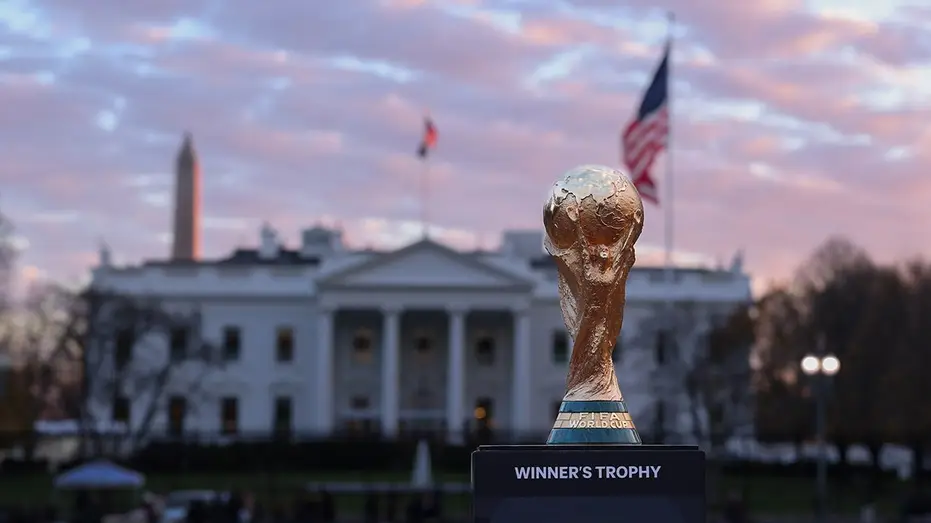
SouthernWorldwide.com – The Trump administration has announced a significant change regarding visa requirements for certain travelers attending the upcoming World Cup matches in the United States. This decision aims to ease the entry process for fans from specific countries who have purchased tickets to the tournament.
The State Department confirmed on Wednesday that the administration is rescinding a previous mandate. This mandate had required visitors from Algeria, Cape Verde, Ivory Coast, Senegal, and Tunisia to provide substantial visa bonds, potentially amounting to $15,000, in order to enter the U.S. and witness the World Cup.
This visa bond requirement was initially implemented last year. The department cited high rates of visa overstays and other security concerns as the reasons behind this measure, which was part of a broader immigration enforcement strategy. At the time, the requirement affected travelers from at least 50 countries.
However, the five nations mentioned—Algeria, Cape Verde, Ivory Coast, Senegal, and Tunisia—have teams that have qualified for this year’s World Cup. This qualification made their citizens’ participation in the tournament a point of focus for the administration’s policy review.
It is important to note that players, coaches, and certain staff members of the World Cup teams were already exempt from the visa bond requirement. This exemption was part of the administration’s directive to prioritize visa processing for all participants directly involved in the tournament.
“The United States is excited to organize the biggest and best FIFA World Cup in history,” stated Assistant Secretary of State for Consular Affairs Mora Namdar. She further elaborated that visa bonds are being waived for qualified fans who have purchased World Cup tickets and have opted into the FIFA Pass system.
The FIFA Pass system, operational since April 15, allows for expedited visa appointments. This initiative is designed to streamline the process for international fans eager to attend the global sporting event.
In a statement released concurrently, FIFA acknowledged the announcement, highlighting the ongoing collaboration between FIFA, the U.S. government, and the White House task force for the FIFA World Cup. The organization expressed gratitude for the administration’s partnership in delivering a successful and memorable event.
Despite this positive development, the administration has previously imposed travel bans on individuals from certain countries, including Iran and Haiti. While World Cup players, coaches, and support personnel are exempt from these broader travel bans, citizens from Ivory Coast and Senegal still face partial restrictions under an expanded version of that ban, even with the visa bond exemption.
The FIFA World Cup is scheduled to commence on June 11. The tournament is being co-hosted by the United States, Canada, and Mexico, marking a significant international collaboration for the sport.
Some of the administration’s immigration enforcement measures have drawn criticism from human rights organizations. Amnesty International, along with numerous U.S. civil and human rights groups, issued a “World Cup travel advisory.” This advisory cautioned travelers about the prevailing climate in the U.S. concerning immigration enforcement tactics.
In a report released this month, the primary advocacy group for U.S. hotels attributed “significantly suppressed international demand” to visa barriers and other geopolitical issues. This suppression has reportedly led to hotel bookings for the soccer tournament falling far below initial expectations.
As of early April, U.S. officials indicated that the number of World Cup fans affected by the visa bond requirement was believed to be relatively small, estimated at around 250 individuals. These officials spoke on condition of anonymity, as they were not authorized to comment publicly.
However, these officials also noted that this number was subject to rapid change. As more individuals purchased tickets and some ticket holders opted against traveling, the figures were constantly fluctuating.
Read more : Iran Deploys Small Submarines to Strait of Hormuz Amid Expert Warning of Vulnerability
The waiver for the visa bonds was a request made by FIFA. This request required approval from both the State Department and the Department of Homeland Security, according to officials familiar with the process.