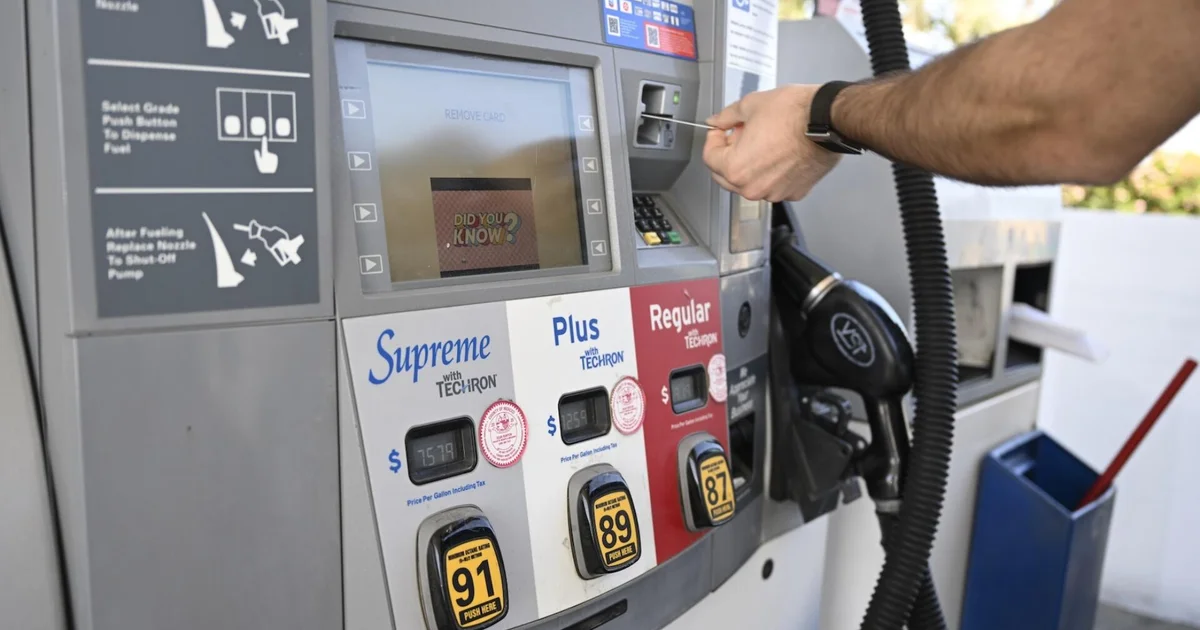
SouthernWorldwide.com – The average cost of a gallon of gas in the United States has reached $4.55, marking a significant increase that is directly impacting consumers’ spending habits.
This surge in fuel prices, which has seen an increase of over 50% since the conflict with Iran began, is forcing many Americans to re-evaluate their budgets and make difficult choices.
CBS News business analyst Jill Schlesinger highlighted the pervasive effect of these rising costs on consumer behavior during a recent broadcast.
The financial strain is palpable, with households nationwide feeling the pinch at the pump and in their overall expenditures.
Schlesinger explained that the elevated cost of gasoline is not an isolated issue but rather a catalyst for broader economic adjustments for many families.
Consumers are being compelled to cut back on discretionary spending, prioritizing essential needs over non-essential purchases.
This shift in consumer behavior can have a ripple effect across various sectors of the economy.
For instance, spending on entertainment, dining out, and even clothing is likely to see a downturn as budgets are squeezed.
The impact is particularly severe for lower and middle-income households who may allocate a larger portion of their income to transportation costs.
They may find themselves with less disposable income for other important aspects of their lives.
Furthermore, the cost of goods and services that rely on transportation for delivery is also expected to rise.
This includes everything from groceries to electronics, further exacerbating the inflationary pressures already being felt.
Read more : Health officials trace passengers from cruise ship with hantavirus
Businesses that depend on consumer spending are likely to face challenges as demand softens.
Companies in the retail, hospitality, and entertainment industries might experience reduced sales and revenue.
The situation underscores the interconnectedness of the economy, where a rise in a single commodity’s price can trigger widespread consequences.
Schlesinger’s analysis provided a clear picture of the economic realities confronting Americans in the current climate.
The conversation around the cost of living, particularly concerning energy prices, remains a critical topic for policymakers and the public alike.
Understanding these impacts is crucial for navigating the current economic landscape and for developing strategies to mitigate the effects of such price shocks.
The average price of gas has become a key indicator of the financial health of many households.
As the price per gallon continues to fluctuate, so too will the spending power and financial flexibility of consumers across the country.
The insights shared by Schlesinger offer a valuable perspective on how these economic shifts are reshaping everyday life for millions.
The current gas prices serve as a stark reminder of the vulnerability of consumer budgets to global energy market dynamics.
This situation highlights the importance of monitoring economic indicators and understanding their direct translation into tangible impacts on individuals and families.
The conversation is ongoing, with many hoping for a stabilization or reduction in fuel costs to alleviate the pressure on consumer spending.
The ability of consumers to maintain their spending levels is a vital component of overall economic stability.
The current trend suggests a period of cautious spending and budget re-evaluation for a significant portion of the population.
Jill Schlesinger’s expert commentary provides essential context for these evolving economic conditions.
The impact of gas prices extends beyond individual wallets, influencing broader economic trends and business strategies.
As consumers adapt to the new normal of higher fuel costs, businesses will need to be agile in responding to changing demand patterns.
The situation calls for a comprehensive understanding of economic factors and their direct effect on the lives of ordinary citizens.
The average cost of gas is more than just a number; it’s a reflection of the economic pressures shaping consumer decisions and the wider marketplace.
Schlesinger’s insights are a critical component in understanding these complex economic interplays.
The ongoing discussion about energy costs and their impact on consumer spending is essential for informed economic discourse.
Ultimately, the ability of consumers to manage their expenses in the face of rising gas prices will be a key determinant of economic resilience.
The focus remains on how these elevated costs will continue to influence purchasing decisions and overall economic activity.