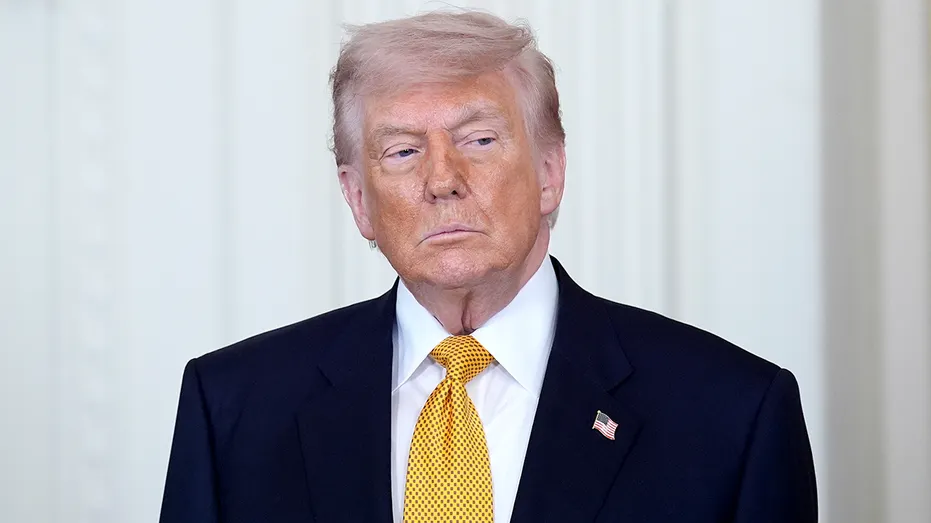
SouthernWorldwide.com – The assertion by President Donald Trump that he “doesn’t care about the midterms” is being met with skepticism, much like other notable presidential pronouncements. This statement is being placed alongside past disingenuous claims made by presidents, suggesting a pattern of misrepresentation.
A significant amount of evidence suggests the opposite is true: President Trump is deeply invested in the outcome of the midterm elections. His claims to the contrary appear to be a strategic maneuver to project an image of detachment from partisan squabbles.
This tactic, while perhaps not as jarring as dismissing Americans’ financial struggles, still raises eyebrows. It is being interpreted as an attempt by Trump to position himself as being above the fray of day-to-day politics.
The article highlights a recent development concerning Iran and its nuclear program. Reports indicated an agreement was reached to reopen the Strait of Hormuz in exchange for the lifting of a U.S. blockade, with the nuclear issue deferred. Trump reportedly sought time to consider this development.
However, the focus then shifts back to the midterms, where Trump’s active involvement is evident. He has dedicated considerable effort to supporting challengers against Republican incumbents he deems disloyal. This includes his backing of Ken Paxton in Texas, who successfully unseated Senator John Cornyn.
Furthermore, Trump is identified as a key figure in the redistricting efforts, an attempt to secure more Republican seats in the House of Representatives. This practice, typically occurring at the end of each decade, is seen as part of his broader strategy.
Baca juga di sini: Major Cruise Line Scraps Low Fares Due to Website Glitch
The article provides an example of Trump’s sharp rhetoric directed at James Talarico, Ken Paxton’s Democratic opponent. Trump’s criticisms included accusations of being an “Open Borders advocate,” “WEAK ON CRIME,” and holding views on gender and religion that he deemed unacceptable.
Trump’s attack also included a comparison of Talarico to Alfred E. Neuman, the iconic mascot of Mad magazine. This aggressive campaigning contrasts sharply with the claim of not caring about the midterms.
The piece also touches on Talarico’s past statements, which have drawn scrutiny. While Talarico reportedly acknowledged some comments were regrettable, he also accused Paxton of using them to distract from his own legal troubles.
Specifically, Talarico was questioned about past remarks such as “God is non-binary,” which he explained as an attempt to convey that divine concepts transcend human categorization. He also addressed comments about biological variations, attempting to clarify his positions.
Despite these explanations, Talarico’s past statements have become a focal point, with his campaign acknowledging that some remarks “missed the mark.” This situation is framed within the broader context of political maneuvering and the media’s role in highlighting such controversies.
The article notes that Trump has also engaged in economic discussions, but some Republicans criticize his focus on issues like the White House ballroom and a fund intended for January 6th defendants, whom he refers to as patriots.
A recent instance cited is the Justice Department’s investigation into writer E. Jean Carroll, who was awarded $88 million in defamation suits related to sexual assault allegations against Trump. The article points out that this payment remains outstanding.
The prevalence of political dishonesty is a theme explored, with two recent admissions from prominent figures lending credence to this idea. These confessions suggest that deception is deeply embedded in the political landscape.
First, Newt Gingrich admitted that impeaching Bill Clinton over the Monica Lewinsky affair was a “mistake.” He cited negative feedback from his daughters as a factor in this realization, even while maintaining his belief that Clinton committed perjury in the Paula Jones case.
Second, Jill Biden revealed her alarm during her husband’s debate against Trump, likening his performance to a potential stroke. This admission, made after initial praise for the debate, highlights the personal toll of political events.
The article concludes by acknowledging the historical trend of presidents’ parties losing seats in the sixth year of a presidency. It also recognizes that the ongoing conflict in Iran and rising domestic prices are likely contributing factors to any political headwinds Trump might face.
Ultimately, the article reiterates its central argument: despite his declarations, Donald Trump’s deep involvement and concern regarding the midterm elections are undeniable. His claims to the contrary are viewed as a strategic, rather than genuine, stance.