SouthernWorldwide.com – Entering a vehicle without a driver can initially feel unusual. Despite understanding the technology, a sense of unease might persist.
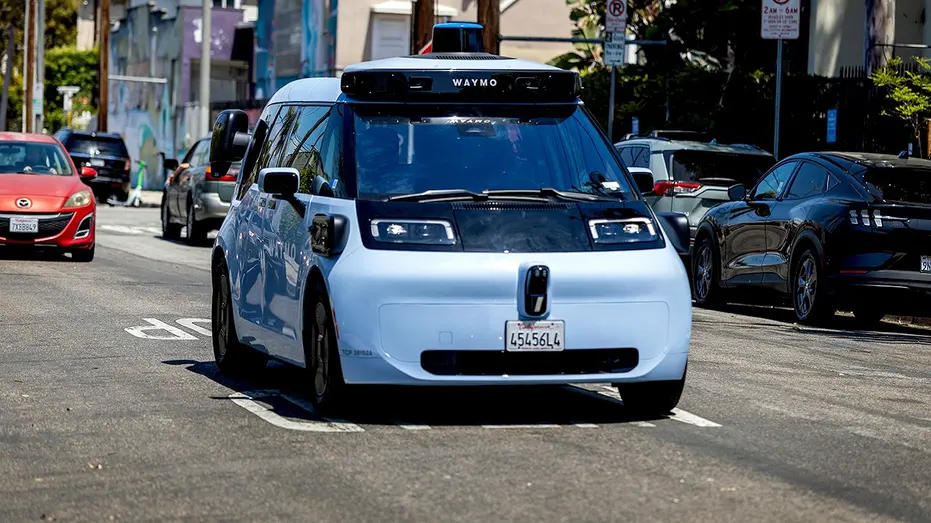
Waymo aims to alleviate this apprehension with its new Ojai robotaxi. This vehicle offers enhanced passenger space, larger screens for ride control, and a cabin meticulously designed with the rider’s comfort in mind from its inception.
This passenger-centric approach could be a significant factor. For driverless rides to become a widely adopted mode of transportation, they must instill a feeling of safety, simplicity, and comfort once the doors are closed.
CHINA’S FIRST MASS-PRODUCED FLYING CAR DEBUTS
Waymo has announced that initial public rides in the Ojai will commence in the upcoming weeks. Select individuals in San Francisco, Los Angeles, and Phoenix will be among the first to experience it. These rides will be complimentary for a limited period, allowing Waymo to gather valuable feedback and refine the service. Access will then be gradually expanded to more riders and additional cities.
Waymo also indicated that Denver, Las Vegas, and San Diego are slated for expansion before the company broadens its service later this year. Interested individuals can currently sign up as a Trusted Tester via the Waymo app.
The Ojai represents Waymo’s effort to reimagine the interior experience of a robotaxi. Instead of adapting a conventional car for self-driving capabilities, the Ojai was conceived around the passenger. Waymo describes it as a more spacious cabin featuring ample legroom, a flat floor, and a low step-in height, which can be particularly beneficial for those carrying groceries, luggage, or individuals with mobility challenges.
WAYMO TEAMS UP WITH WAZE TO SPOT POTHOLES FASTER
The Ojai’s cabin is equipped with three large, adaptive screens. Passengers can utilize these screens to personalize various aspects of their ride, including climate control and audio selection.
Convenience features such as charging ports and cupholders have also been integrated. While seemingly minor, these details significantly enhance the passenger experience, especially when seated in the rear.
Furthermore, Waymo emphasizes that the Ojai was designed with accessibility as a core principle from the outset. The vehicle boasts a flat floor, a low step-in height, and incorporates features like Braille, grab bars, and screen-reader compatibility.
These thoughtful design elements can greatly improve the ease of entry and exit for individuals requiring additional support. They also cater to older passengers, individuals with disabilities, or anyone managing multiple items or a tired child.
UBER UNVEILS A NEW ROBOTAXI WITH NO DRIVER BEHIND THE WHEEL
Read more : Beloved Theme Park to Permanently Close After Nearly 50 Years
The Ojai will be the inaugural vehicle to feature Waymo’s sixth-generation Waymo Driver, the company’s proprietary autonomous driving technology.
Waymo asserts that this new generation will enhance its operational capabilities in snowy conditions and facilitate the deployment of fully autonomous rides in more communities. Snow, slush, and adverse weather present unique challenges for autonomous vehicles that are not present on clear roads. Successfully navigating these conditions could enable Waymo to expand its services far beyond the warmer climates where robotaxis have experienced initial success.
Waymo’s manufacturing facility in Mesa, Arizona, is being prepared to produce tens of thousands of vehicles annually. The Ojai will be the first model produced, followed by the Hyundai IONIQ 5. This production capacity is crucial, as robotaxi services require a substantial fleet of vehicles.
The Ojai also incorporates practical enhancements designed to support Waymo in maintaining a larger fleet on the road. These include interiors that are easier to clean, faster charging capabilities, increased battery capacity, and a more modular design for simplified maintenance and repairs.
While these aspects might not seem overtly exciting, they are critical for the widespread adoption of robotaxis beyond a limited number of cities. The more efficiently these vehicles can be charged, cleaned, and repaired, the easier it will be for Waymo to make them available to a broader audience.
WAYMO VEHICLES ‘PUTTING AMERICAN LIVES AT RISK,’ SOURCE WARNS AMID AUTONOMOUS VEHICLE COMPANY’S MASSIVE RECALL
For existing Waymo users, the Ojai promises a more comfortable ride. Its most significant impact might be in normalizing the experience of being inside a driverless vehicle. For those who have never experienced a driverless ride, the Ojai could serve as a compelling introduction. The increased space and rider-centric features may make the prospect of trying it more appealing.
However, a significant comfort gap remains for many potential riders. The very idea of entering a vehicle without a human driver can be a deterrent. While comfort is important, safety remains the paramount consideration in this decision. This concern is particularly relevant, as Waymo recently paused freeway rides in several U.S. cities to implement software updates addressing issues related to construction zones and flooded roads. Surface street services have continued, but this pause serves as a reminder of the ongoing challenges autonomous vehicles face on public roads.
Waymo reports that riders have completed over 20 million fully autonomous trips across more than 11 cities. The introduction of the Ojai presents the company with another opportunity to demonstrate that driverless rides can be perceived as safe, practical, and a normal part of daily life for a larger segment of the population.
Waymo’s new Ojai robotaxi offers a glimpse into the future of driverless transportation. While the fundamental requirement of safe transit from point A to point B remains, Waymo is now prioritizing a more comfortable, spacious, and user-friendly in-cabin experience. The focus on the rider experience, in addition to the driving technology, is commendable. The enhanced space, accessibility features, and rider controls are likely to attract individuals who have been curious but hesitant. Nevertheless, building trust is a substantial hurdle. A more pleasant cabin can improve comfort, but Waymo must still conclusively prove that driverless vehicles can reliably navigate the complex and unpredictable conditions of everyday roads.
Would you opt for a free ride in Waymo’s new Ojai robotaxi, or do you believe driverless cars still need to overcome more challenges before you would entrust your journey to them? Share your thoughts by contacting us at CyberGuy.com.