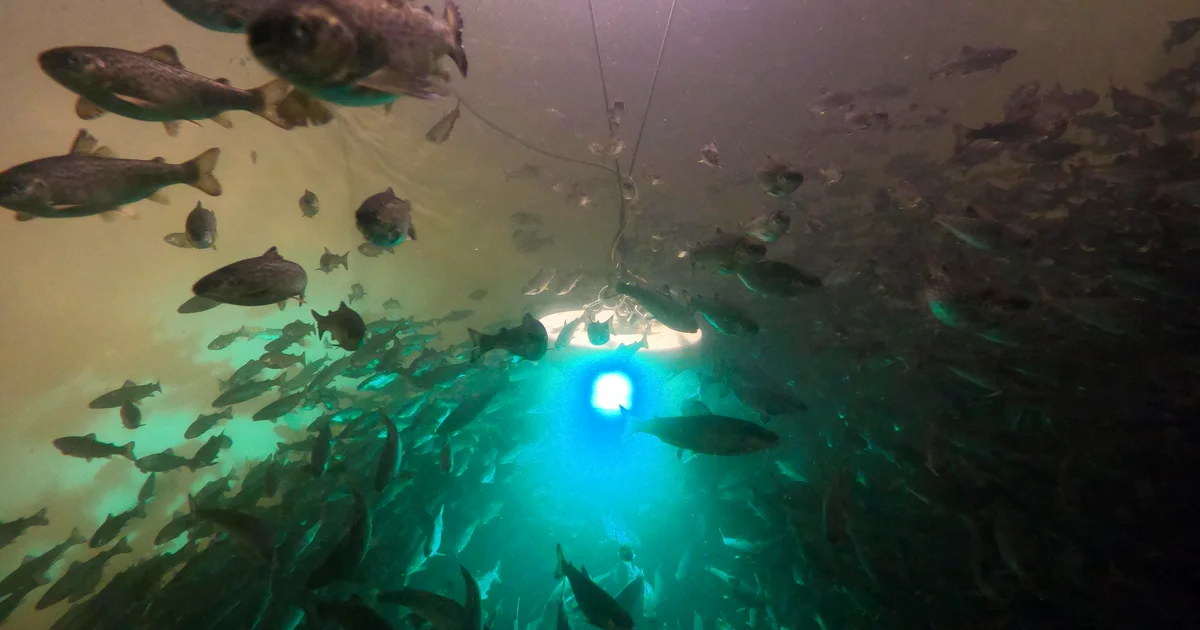
SouthernWorldwide.com – A recent study has revealed that salmon exposed to cocaine in their environment exhibit significantly altered swimming behavior, covering nearly twice the distance compared to their counterparts not exposed to the drug.
The findings highlight a growing concern about the presence of illicit substances and pharmaceuticals in natural waterways worldwide. The United Nations reported that an estimated 25 million people used cocaine in 2023, and the drug is increasingly being discovered in aquatic ecosystems.
Joint research conducted by scientists from Australia’s Griffith University and the Swedish University of Agricultural Sciences investigated the impact of the drug on wild fish. The study, released this week, focused on the movements of Atlantic salmon in their natural habitat.
Researchers involved in the study collected 105 wild Atlantic salmon from Sweden’s Lake Vattern. These fish were then exposed to both cocaine and benzoylecgonine, a metabolite produced by the drug in the liver. Following exposure, the scientists meticulously tracked the movements of the salmon.
The results indicated a striking difference in the swimming patterns of the exposed fish. Those that had come into contact with the drugs traveled 1.9 times farther per week than the control group of salmon that were not exposed.
Furthermore, the study found that salmon exposed to benzoylecgonine, the drug’s by-product, swam an additional 7.6 miles per week. This suggests that even metabolites of cocaine can have a considerable impact on fish behavior.
“Any unnatural change in animal behavior is a concern,” stated Marcus Michelangeli, a co-author of the report from Griffith University’s Australian Rivers Institute. He emphasized the increasing concentration of various pharmaceuticals and illicit drugs found in waterways.
Michelangeli further elaborated on the broader implications of drug pollution. “We’re finding higher and higher concentrations of not just illicit drugs but all types of pharmaceuticals in our waterways,” he told the national broadcaster ABC.
The researchers have issued a warning that the pollution of water bodies by common drugs presents a “major and escalating risk to biodiversity.” This underscores the need for greater awareness and action regarding the environmental impact of human drug consumption.
“The idea of cocaine affecting fish might seem surprising, but the reality is that wildlife is already being exposed to a wide range of human-derived drugs every day,” Michelangeli added. He pointed out that the unusual aspect is not the experiment itself, but rather the existing contamination of natural environments.
Associate Professor Michael Bertram from the Swedish University of Agricultural Sciences highlighted the study’s implications for infrastructure and monitoring. He stressed the necessity of improving wastewater treatment facilities and enhancing environmental monitoring systems.
“Our study shows that drugs are not only a societal issue, but also a concrete environmental challenge,” Bertram commented. This statement emphasizes the interconnectedness of human activities and their ecological consequences.
This research follows other recent findings regarding the presence of drugs in marine life. A separate study released last month revealed that sharks in the Bahamas have been found to consume substances including caffeine, painkillers, and cocaine.
Natascha Wosnick, the lead author of that study, told CBS News that while the detection of illicit substances like cocaine garners immediate attention, the widespread presence of legal drugs such as caffeine and pharmaceuticals in sharks is equally alarming. “These are legal substances, routinely consumed and often overlooked, yet their environmental footprint is clearly detectable,” she noted.
In another concerning development from 2024, scientists reported that sharks in the waters off Brazil tested positive for cocaine and benzoylecgonine. This further illustrates the pervasive nature of drug contamination in aquatic environments across different regions.
Read more : Overtourism: A Double-Edged Sword?
The cumulative evidence from these studies points to a significant and growing problem of drug pollution in the world’s waterways, with profound implications for wildlife and ecosystems.