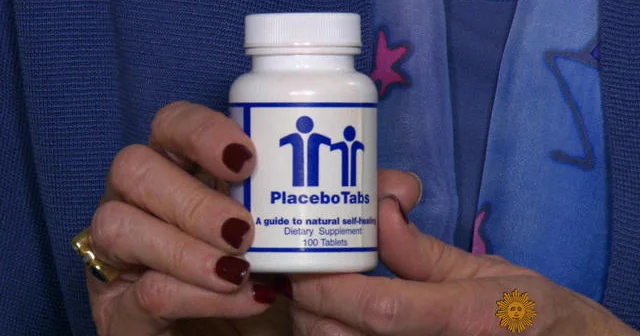
SouthernWorldwide.com – The placebo effect is a phenomenon where a person experiences a benefit after receiving a treatment that has no therapeutic effect. This means that a pill, injection, or other procedure that is actually inert can still produce a positive outcome simply because the patient believes it will work.
Doctors and medical researchers have been studying the placebo effect for decades, and the results have been consistently surprising. In many cases, the effects of a placebo are indistinguishable from those of actual medication. This suggests that the mind has a powerful influence over the body’s ability to heal.
Susan Spencer reports on the unexpected results from giving patients pills that aren’t medicine at all. Her investigation delves into the science behind this intriguing phenomenon and explores how it is being used in medical research and treatment.
The placebo effect is not simply about a patient’s belief; it involves a complex interplay of psychological and physiological factors. When a patient receives a placebo, their brain can release natural pain-relieving chemicals called endorphins. These endorphins can reduce pain, improve mood, and even affect other bodily functions.
One of the key aspects of the placebo effect is the ritual of treatment. The act of visiting a doctor, receiving a prescription, and taking a pill can all contribute to the patient’s expectation of getting better. This expectation can trigger a cascade of biological responses that lead to healing.
Researchers have found that the placebo effect can be influenced by various factors, including the type of placebo, the way it is administered, and the patient’s relationship with their doctor. For example, a placebo that is given in a pill form is often more effective than one that is administered as a liquid. Similarly, a doctor who is warm and reassuring can enhance the placebo effect.
The placebo effect has significant implications for medical practice. It highlights the importance of the doctor-patient relationship and the power of communication in healthcare. It also raises ethical questions about the use of placebos in clinical trials and treatment.
While the placebo effect can produce real physiological changes, it is important to note that it cannot cure all diseases. It is most effective in managing symptoms like pain, nausea, and fatigue. It is not a substitute for conventional medical treatment for serious illnesses.
The study of the placebo effect continues to evolve, with researchers exploring new ways to harness its power for therapeutic benefit. By understanding the mechanisms behind this phenomenon, doctors can better support their patients’ healing journey and improve overall health outcomes.
The placebo effect underscores the mind-body connection, reminding us that our thoughts and beliefs can have a tangible impact on our physical well-being. It is a testament to the complex and remarkable capabilities of the human body and mind.
In essence, the placebo effect demonstrates that healing is not solely dependent on the chemical properties of a drug but also on the intricate psychological and neurological processes within us. This understanding opens up new avenues for holistic approaches to healthcare, where the patient’s experience and belief system are actively integrated into the treatment plan.
The ritual of care, encompassing everything from the doctor’s demeanor to the environment of the clinic, plays a crucial role. These elements contribute to a patient’s sense of hope and expectation, which are powerful catalysts for the placebo response.
Furthermore, the placebo effect raises important considerations regarding clinical trials. Researchers must carefully design studies to differentiate between the effects of a specific treatment and the impact of the placebo itself, ensuring that the efficacy of new drugs is accurately measured.
While placebos can alleviate symptoms and improve quality of life for many conditions, they do not address the underlying pathology of diseases. Therefore, they are best used as a complementary approach rather than a sole treatment, especially for serious or chronic conditions.
The ongoing research into the placebo effect promises to yield deeper insights into how we can optimize the healing process. By integrating psychological support and fostering positive expectations, healthcare providers can potentially enhance the effectiveness of medical interventions.
The placebo effect serves as a powerful reminder of the interconnectedness of our mental and physical states. It encourages a more comprehensive view of health, one that acknowledges the profound influence of our inner world on our physical health and recovery.
This phenomenon challenges the traditional biomedical model by emphasizing the subjective experience of illness and healing. It suggests that a patient’s narrative, their hopes, and their trust in the healing process are not merely psychological epiphenomena but integral components of therapeutic success.
The effectiveness of placebos can vary greatly among individuals and conditions. Factors such as personality, genetic predispositions, and even the color and size of the placebo pill have been shown to influence the outcome, adding further complexity to its study.
Understanding the placebo effect also compels us to consider the ethical implications of its use. While it can be a valuable tool in managing symptoms, its application requires careful consideration to ensure transparency and avoid deception.
Ultimately, the placebo effect is a fascinating area of study that continues to unravel the mysteries of the human body’s innate healing capacity. It offers valuable lessons for both patients and practitioners, advocating for a more integrated and compassionate approach to healthcare.
The power of expectation, often termed “treatment expectation,” is a cornerstone of the placebo effect. When patients anticipate a positive outcome, their bodies are primed to respond, often through neurobiological pathways that mimic the effects of active treatments.
This field of research also intersects with the burgeoning area of psychoneuroimmunology, which explores the bidirectional communication between the brain, nervous system, and immune system. The placebo effect provides a compelling example of how psychological states can directly modulate immune responses and physiological processes.
Read more : Montana Smokejumper Seeks Role in 2026 Democratic Blue Wave
As research progresses, the goal is not to replace evidence-based medicine with placebos but to understand how to leverage the psychological and physiological mechanisms triggered by placebos to enhance the effectiveness of conventional treatments and improve patient well-being.