SouthernWorldwide.com – The Department of Homeland Security (DHS) is reportedly planning to withhold significant funding from states that do not comply with new election security measures. This initiative aims to bolster the integrity of electoral processes across the nation.
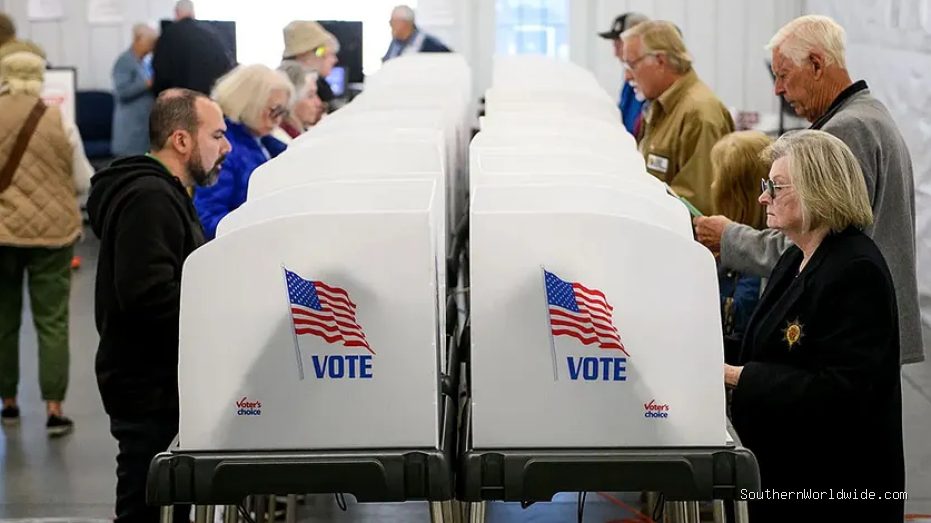
Billions of dollars in preparedness grant funding are at stake for states that refuse to implement measures such as voter citizenship verification, post-election audits, and the expanded use of paper ballots. This move by DHS is seen as a direct response to ongoing concerns about election security.
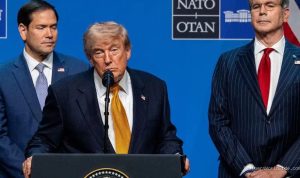
The push for these stricter measures comes amidst criticism from President Donald Trump and many Republican lawmakers. They have voiced strong opposition to states that are hesitant to allow federal government audits of their voter rolls. Furthermore, concerns have been raised about the slow and often criticized vote tabulation processes in certain states, notably California.
The Federal Emergency Management Agency (FEMA), a sub-agency of DHS, oversees the Homeland Security Grant Program. This program makes over $1 billion in taxpayer-funded grants available to states. However, participation in this program now comes with specific conditions related to election security.
To be eligible for these grants, states are required to submit comprehensive plans detailing their transition away from what DHS deems “unsecure electronic voting systems.” These systems often rely on QR codes or barcodes, and the agency insists on a move towards hand-marked paper ballots.
The rationale behind this requirement is to establish a clear paper trail. This paper trail, according to DHS, will facilitate the rapid assessment of any alleged irregularities or discrepancies in election results.
A key component of the new requirements is the mandatory conduct of manual audits after each federal election. States seeking preparedness grants must perform a manual audit of at least 5% of all ballots cast. DHS argues that this random, manual review is crucial for confirming the accuracy of voting machine tabulations against paper ballots and for identifying any potential manipulation.
In addition to audits, states must ensure that the number of voters who participated in an election aligns with the total number of ballots cast. Within 120 days of receiving any grant award, states are also required to utilize the SAVE (Systematic Alien Verification for Entitlements) database. This database is intended to verify the citizenship of every registered voter in the state.
The SAVE system has faced criticism from some Democratic governors, who have raised concerns about its upkeep and accuracy. However, DHS has reportedly refuted these claims, asserting that the system is adequately maintained.
A spokesperson for DHS stated that under President Trump’s leadership, decisive actions are being taken to safeguard election systems. These actions are aimed at protecting against threats such as foreign interference, insider threats, and cyberattacks. The spokesperson emphasized that the new requirements for grant recipients are designed to preserve election integrity and ensure public trust in election outcomes.
These new directives from DHS follow a significant legal setback for the Trump administration concerning election security. The administration had sought to compel states to share voter records, including Social Security numbers, but faced resistance.
An Obama-appointed federal judge in Pittsburgh ruled against the Justice Department’s request for voter records from more than 25 states. The judge sided with the Commonwealth of Pennsylvania, stating that federal authorities lack the authority to demand such “highly sensitive” state information.
The ruling came after Pennsylvania’s Secretary of the Commonwealth, Al Schmidt, a Republican appointed by Democratic Governor Josh Shapiro, refused a demand from the Justice Department to hand over specific voter data last fall. Schmidt reportedly offered a redacted version of the state voter file, excluding sensitive information.
Schmidt’s response, as reported by The Philadelphia Inquirer, indicated that such broad data collection was a “concerning attempt to expand the federal government’s role in our country’s election process.”
It remains to be seen how DHS’s new strategy of linking grant funding to election security measures will fare. This approach, which leverages financial incentives rather than direct mandates, may face its own set of legal and political challenges.