SouthernWorldwide.com – The United States has largely eradicated polio, a debilitating disease that once caused widespread paralysis in children. However, concerns are rising about the potential resurgence of polio due to declining vaccination rates, a trend that could have serious public health consequences.
The polio virus, which can lead to irreversible paralysis and even death, was once a significant threat to American families. Decades of widespread vaccination efforts, particularly the Salk and Sabin vaccines, brought the virus to the brink of elimination in the U.S.
The near-eradication of polio in America is a testament to the success of public health initiatives and vaccine programs. For many years, American children have routinely received polio vaccinations, protecting them from the crippling effects of the disease.
However, recent years have seen an increase in vaccine hesitancy and avoidance among some parents. This trend, driven by various factors including misinformation and personal beliefs, is now raising alarms among public health officials about the potential for polio’s return.
Dr. Jonathan LaPook, CBS News chief medical correspondent, has explored this critical issue. He spoke with David Oshinsky, author of “Polio: An American Story,” and Itzhak Perlman, the world-renowned violinist who contracted polio as a child.
Their conversation highlighted the profound impact polio had on individuals and society. Oshinsky’s book delves into the history of polio in America, detailing the fear and devastation it wrought before the advent of effective vaccines.
Perlman’s personal experience offers a poignant perspective on living with the long-term effects of polio. Contracting the virus in his childhood, Perlman has faced challenges throughout his life, yet has achieved extraordinary success in the world of music.
The central concern is that if a significant portion of the population remains unvaccinated, the polio virus could find fertile ground to spread once more. This could undo decades of progress and put a new generation at risk.
The polio virus is primarily spread through person-to-person contact, typically via the fecal-oral route. It can also spread through contaminated water or food. Once ingested, the virus multiplies in the intestines and can then invade the nervous system, leading to paralysis.
The effectiveness of polio vaccines is well-established. The inactivated polio vaccine (IPV), given by injection, and the oral polio vaccine (OPV), which contains a weakened live virus, have both been instrumental in controlling the disease globally.
While the U.S. primarily uses the IPV, the oral polio vaccine is still used in other parts of the world. The oral vaccine is highly effective at preventing transmission in communities, but carries a very small risk of causing vaccine-associated paralytic polio (VAPP) in a very small number of individuals.
The potential for imported cases of polio into the U.S. exists, particularly if vaccination rates drop. If an unvaccinated individual contracts the virus, and there are other unvaccinated individuals in the community, the virus could begin to spread.
Public health experts emphasize that herd immunity, achieved when a sufficient percentage of a population is immune, is crucial for protecting everyone, especially those who cannot be vaccinated for medical reasons.
The decline in vaccination rates is a complex issue with multifaceted causes. Some parents express concerns about vaccine safety, while others may have difficulty accessing vaccination services or may not fully understand the importance of routine immunizations.
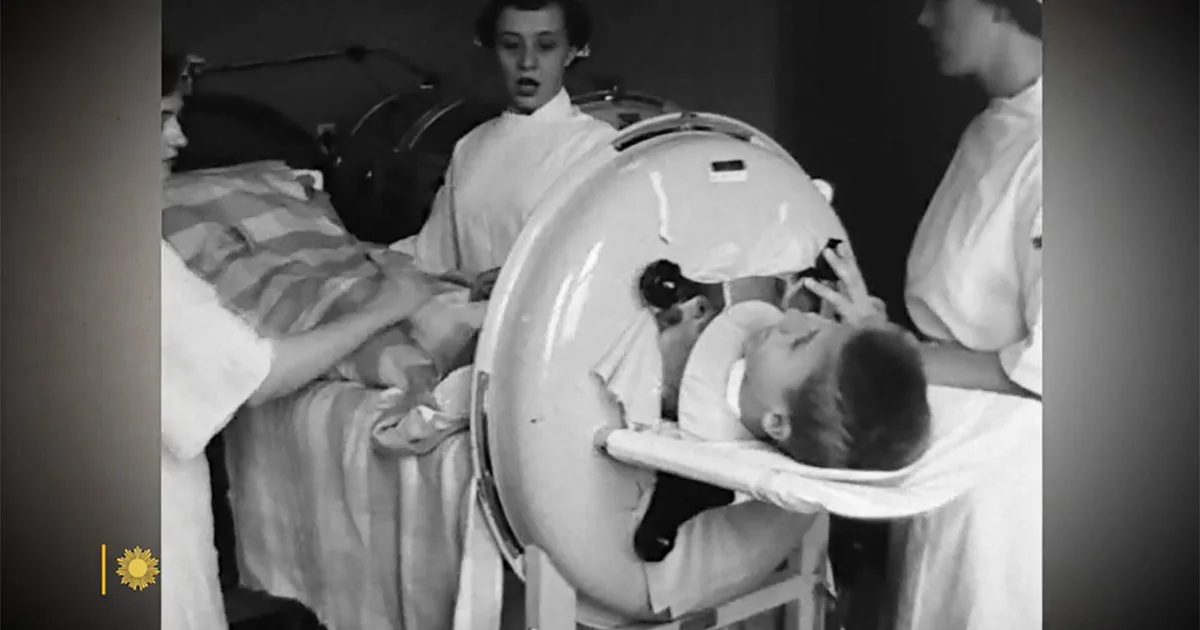
Oshinsky stressed the importance of historical context, reminding people of the pre-vaccine era when polio was a terrifying reality for many families. The images of children in iron lungs and the widespread fear of summer outbreaks are powerful reminders of what was overcome.
Perlman, speaking from his experience, conveyed the physical and emotional toll of polio. His ability to overcome the challenges posed by the disease and become a global music icon is inspiring, but also underscores the severity of the illness.
The conversation also touched upon the role of misinformation in shaping parental decisions about vaccination. The ease with which unsubstantiated claims can spread online poses a significant challenge for public health communicators.
Public health agencies are working to counter vaccine hesitancy through education and outreach. They aim to provide accurate information about vaccine safety and efficacy, and to address the concerns of parents in a clear and compassionate manner.
The goal is to ensure that vaccination rates remain high enough to maintain herd immunity and prevent the re-emergment of polio in the United States. This requires a concerted effort from healthcare providers, public health organizations, and the community.
The story of polio in America is a reminder of the constant need for vigilance in public health. While vaccines have been remarkably successful, maintaining high vaccination coverage is essential to safeguard against the return of preventable diseases.
The efforts of individuals like Dr. LaPook in bringing attention to these issues are vital. By engaging with experts and those with personal experience, the public can gain a deeper understanding of the stakes involved.
Read more : Obama urges voters to aid Virginia Democrats' redistricting before midterms
The message from experts is clear: maintaining high polio vaccination rates is critical for protecting the health and well-being of future generations. The nearly eliminated status of polio in the U.S. is a hard-won victory that must be preserved through continued commitment to vaccination.