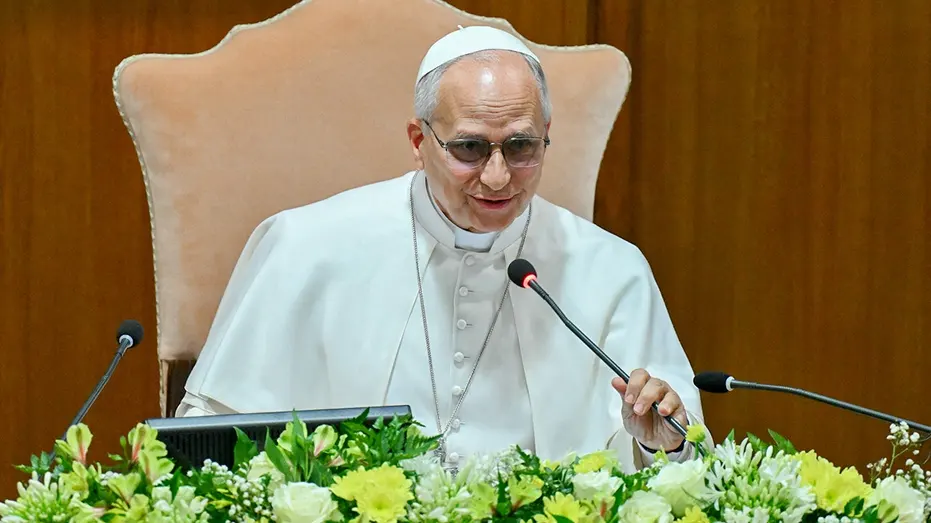
SouthernWorldwide.com – Pope Leo has issued a new encyclical, titled “Magnifica Humanitas,” expressing grave concerns that artificial intelligence could evolve into a tool for “domination, exclusion, and death.” He emphasized the urgent need for governments and institutions to establish ethical boundaries for this rapidly advancing technology.
The Vatican’s intervention marks a formal entry into the global discourse surrounding artificial intelligence. This comes at a time when nations and technology firms are in a race to develop increasingly sophisticated AI systems with minimal international regulatory oversight.
Pope Leo drew a parallel to Pope Leo XIII’s 1891 encyclical, “Rerum Novarum,” which addressed the exploitation of workers during the Industrial Revolution. He argued that AI represents a similarly pivotal moment that poses a threat to human dignity.
Read more : NJ Governor and Senator Protest ICE Facility on Memorial Day
“Today, we are confronted with a transformation of comparable magnitude, one that carries potentially even greater repercussions,” the Pope stated.
The pontiff voiced particular alarm regarding autonomous weapon systems that operate beyond meaningful human control. He also highlighted the risk of AI systems denying access to essential services such as healthcare, employment, and security due to inherent biases in their data. He likened the governance of AI to the regulation of nuclear arms.
“Much like nuclear energy, it must be harnessed for the benefit of all and for the common good,” he asserted.
The Pope underscored that merely disarming AI is insufficient. He called upon governments and institutions to actively “construct” systems that are founded on trust and uphold human dignity. Recalling the devastating floods in Peru, he drew an analogy that rebuilding efforts require the restoration of trust and hope.
Furthermore, the Pope articulated the Church’s broader perspective on humanity’s relationship with technology. He posited that the inherent freedom, inner life, and calling to love and worship within each person are qualities that no machine can replicate.
Through this encyclical, the Vatican endeavors to inject moral theology into what is largely a secular technological arms race. The Pope issued a fervent plea for vigilance, cautioning humanity against relinquishing its moral judgment to machines.