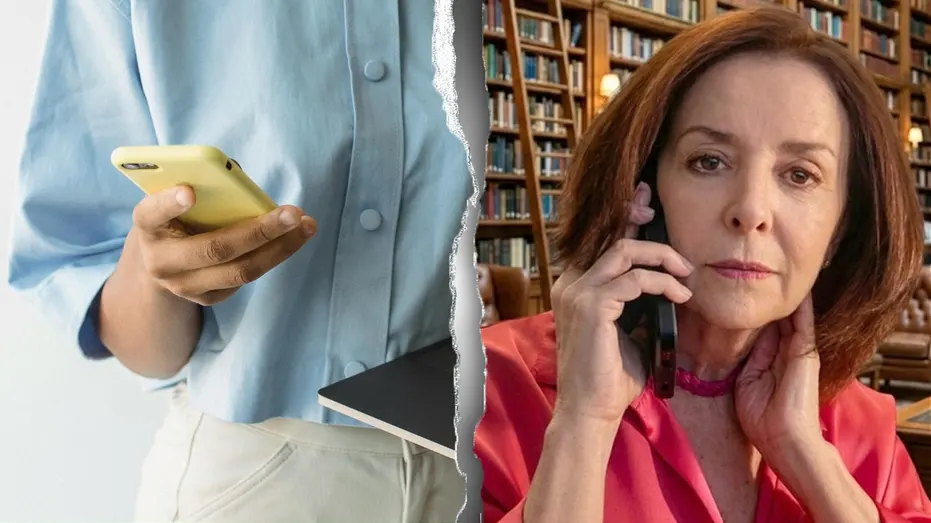
SouthernWorldwide.com – A routine evening for Florida resident Patricia Escriva turned into a financial nightmare when her phone abruptly lost all service, signaling the start of a sophisticated SIM swap scam that drained her bank account in mere minutes.
The unsettling silence was the first indication that something was terribly wrong. Texts stopped arriving, calls wouldn’t go through, and any notifications vanished. This wasn’t a dropped signal; it was a deliberate hijacking of her phone number.
Escriva recounted her terrifying experience on the “Beyond Connected” podcast, detailing how the hackers exploited her phone number to gain unauthorized access to her financial accounts.
She was babysitting when the sudden loss of connectivity hit. Initially, she connected to Wi-Fi to diagnose the issue, only to be met with a barrage of alarming alerts.
“The first one was, you added a new device to your account,” she recalled. “And then two seconds later, you just changed your password.”
The situation escalated rapidly as financial notifications began flooding in. “Let me tell you, my heart stopped,” Escriva admitted, describing emails detailing transactions of $1,500 and $800.
Within minutes, her accounts were compromised, and unauthorized spending had begun. This swiftness is a hallmark of SIM swap scams, making them particularly dangerous.
A SIM swap scam is a form of identity theft that specifically targets an individual’s phone number. The attack vector doesn’t necessarily require physical possession of the SIM card, as the focus is on controlling the number itself, whether it’s a traditional SIM or an eSIM.
The typical modus operandi involves scammers acquiring a victim’s personal information, often gleaned from online sources. They then impersonate the victim to their mobile carrier.
Their goal is to convince the carrier to transfer the victim’s phone number to a SIM card controlled by the scammer. Once successful, all verification codes sent via text message can be intercepted.
This interception is crucial because many online services use text-based codes for two-factor authentication and password resets. With control over the phone number, hackers can quickly regain access to compromised accounts.
The speed at which these scams operate is a significant threat. Once a scammer controls a phone number, any linked accounts become vulnerable, including email, banking, and payment applications.
In Escriva’s case, the financial drain began almost immediately. “They were using my money… from their checking account to pay the credit cards to keep using the credit card,” she explained.
Recovering her number proved to be a lengthy process, taking three days before she could regain control. During this time, her financial accounts were exposed and exploited.
The initial signs of a SIM swap scam might seem minor. However, several warning signals should never be ignored.
These include a sudden loss of phone service, the inability to send or receive calls and texts, and receiving alerts about new device logins or password changes.
Crucially, a sudden halt in receiving verification codes can be a direct indicator of a SIM swap in progress.
Escriva now emphasizes the importance of immediate action when something feels amiss. “If you see you have nothing going on on your phone, make a phone call,” she advised. “If that phone call doesn’t go through… you’re being hacked.”
Read more : Earth's Oceans Are Darkening, Posing a Global Threat to Marine Ecosystems
Although Escriva suffered significant financial losses, her bank eventually reimbursed her for all the stolen funds.
If you suspect you are a victim of a SIM swap scam, immediate action is critical. Use another phone to contact your mobile carrier and request an immediate SIM lock or port-out freeze to prevent further transfers.
Simultaneously, contact your bank to halt any ongoing transactions and change passwords for all critical accounts, including email and financial services. Enabling alerts for suspicious activity can also help you monitor your accounts.
Reporting the incident to your carrier and local law enforcement is also a necessary step.
While it’s impossible to prevent every data breach, several measures can significantly deter SIM swap scams.
First, contact your mobile carrier to implement a SIM lock or a port-out PIN on your account. This adds an essential security layer that requires additional verification before your number can be transferred.
Second, reduce reliance on text message-based verification codes. Instead, opt for authenticator apps or physical security keys for critical accounts, as these are more secure.
Third, employ strong, unique passwords for every online account. Using a reputable password manager can assist in generating and securely storing these complex credentials.
Fourth, enable account alerts for logins, password changes, and transactions. Prompt notification of suspicious activity is vital for quick response.
Fifth, consider limiting your personal data exposure. Removing your information from data broker sites can make it harder for scammers to gather the necessary details for an attack. Services specializing in data removal can help with this process.
Sixth, be vigilant against phishing attempts. Scammers often use deceptive emails or texts to trick individuals into revealing sensitive information. Employing robust antivirus software can help detect malicious links and fake websites.
Seventh, consider identity theft protection services. These services can monitor your personal data for suspicious activity, assist in recovery efforts, and flag your data if it appears in known breaches.
Finally, the most crucial step: if your phone suddenly loses service, act immediately. Use another device to contact your carrier and bank without delay to secure your accounts.
Patricia Escriva’s harrowing experience serves as a stark reminder of how swiftly a digital life can be compromised. Her ordeal highlights that speed and awareness are paramount in mitigating damage.
As scammers become more adept at impersonation, protecting your phone number is as critical as safeguarding your passwords. Escriva shares her full story on the “Beyond Connected” podcast, offering valuable insights into what she learned from the incident.