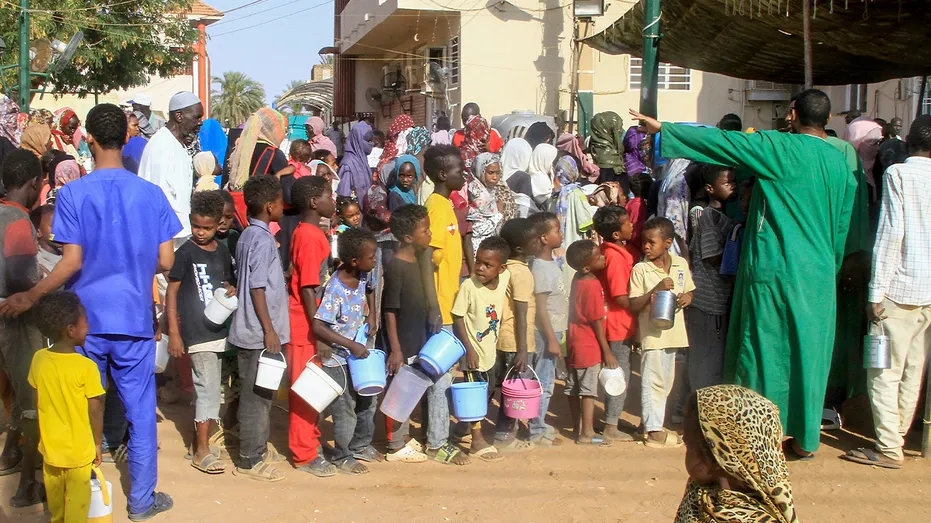
SouthernWorldwide.com – A comprehensive new report published in The Lancet medical journal reveals that the world’s humanitarian aid system is struggling to cope with escalating global crises, leading to dire consequences for civilians in conflict zones. The report, authored by US-based researchers, asserts that the current system is “no longer fit for purpose.”
The findings paint a grim picture, with civilians suffering immensely in places like Sudan and Gaza. Hospitals are frequently targeted, and the capacity of humanitarian organizations to deliver essential aid is being overwhelmed. This critical situation is exacerbated by the sheer scale of need in ongoing conflicts.
Dr. Paul Spiegel, a professor at Johns Hopkins University and co-chair of its Center for Humanitarian Health, brings over three decades of experience working in refugee camps and war-torn regions to the report. He describes the current global climate as “a very dark time,” underscoring the severity of the challenges faced by humanitarian efforts.
The report specifically highlights the devastating civil war in Sudan, where millions are in urgent need of assistance. As hospitals cease operations and famine looms, the experts behind the study argue that the world possesses the knowledge to save lives. However, the existing system is failing to translate this knowledge into effective action on the ground.
Titled ‘Health in a World of Crises and Impunity,’ the report criticizes certain humanitarian agencies for being excessively bureaucratic, while others are deemed too slow to respond. The overarching conclusion is that a fundamental restructuring of the entire system is necessary to address its current shortcomings.
The United Nations is identified as an entity in need of significant reform, according to the report. In the United States, the document points to the Trump administration’s decision to dismantle the United States Agency for International Development (USAID) due to suspicions of fraud and abuse.
Read more : Talarico Embraces ‘Freaky’ Identity Amid Chants of Name Meant as Insult
During this restructuring, many of USAID’s crucial programs were integrated into the State Department. The report labels USAID’s closure as a “shock” and a “sudden” event, framing it as part of a series of decisions by the U.S. and other nations that are condemned as a “political and moral failure.”
The authors of the report emphasize that the strategy for delivering aid should prioritize the protection of vulnerable populations worldwide. They contend that the current approach has not adequately ensured that these groups are not harmed by the delivery process or the broader geopolitical context.
To address these systemic failures, the researchers are advocating for substantial global reforms. These include a complete overhaul of funding mechanisms for humanitarian aid. A key proposal is to channel aid directly to local communities, empowering them to manage and distribute resources effectively.
Furthermore, the report calls for increased accountability for governments or armed groups that obstruct the delivery of aid. It also stresses the importance of upholding healthcare as a fundamental human right, ensuring access to medical services even in the midst of conflict and crisis.
Dr. Spiegel articulates the core objective of these proposed reforms: “It’s really a complete rebalancing,” he stated, “to make sure that the system actually works for the people it’s intended to help.” This call for a fundamental shift aims to realign humanitarian efforts with the needs of those they are designed to serve, moving away from bureaucratic inefficiencies and towards more direct, impactful assistance.