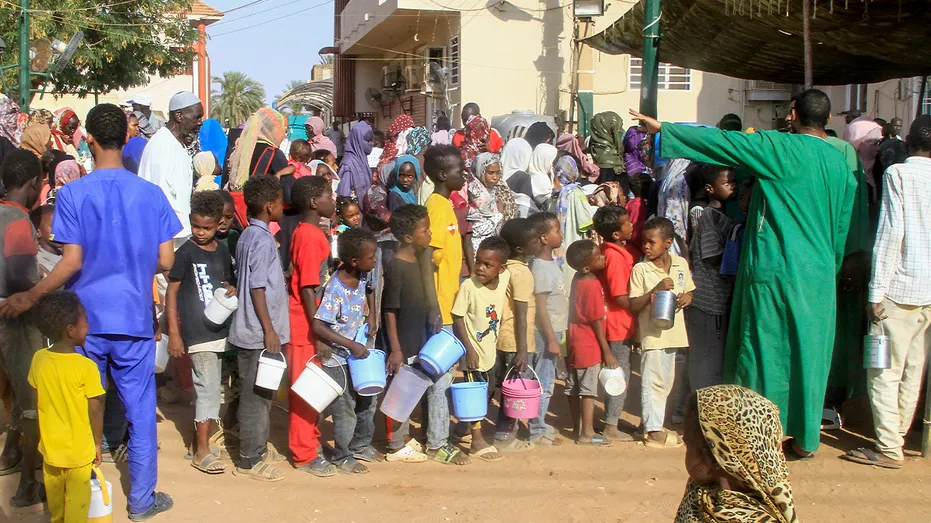
SouthernWorldwide.com – A stark assessment from US-based researchers has declared the world’s humanitarian system as “buckling” and “no longer fit for purpose,” citing widespread civilian suffering, attacks on medical facilities, and an inability to cope with escalating global crises.
The findings are detailed in a new report published in the prestigious medical journal, The Lancet. The report highlights dire situations in conflict zones such as Sudan and Gaza, where civilians are facing immense desperation, and hospitals are becoming targets.
Dr. Paul Spiegel, a professor at Johns Hopkins University and co-chair of its Center for Humanitarian Health, shared his extensive experience. With over three decades spent working in refugee camps and war-torn regions, he described the current global situation as “a very dark time.”
Read more : Ronaldo to Miami? Doubts Rise as MLS Shifts Focus to Academies
The report specifically points to Sudan’s devastating civil war as one of the world’s most significant humanitarian disasters. Millions are in dire need, with hospitals shutting down and famine becoming a widespread threat. Despite knowing how to save lives, the experts argue that the existing system is failing to deliver the necessary aid effectively.
Titled ‘Health in a World of Crises and Impunity,’ the report criticizes certain humanitarian agencies for being overly bureaucratic or too slow in their response. The collective conclusion is that the entire system requires a fundamental overhaul.
The United Nations is identified as an institution in need of significant reform. The report also scrutinizes decisions made within the United States, specifically referencing the Trump Administration’s action to shutter the United States Agency for International Development (USAID) due to suspected fraud and abuse.
During this restructuring, numerous vital USAID programs were integrated into the State Department. The report labels USAID’s closure as a “shock” and “sudden” event, linking it to a series of decisions in the US and globally that are condemned as a “political and moral failure.”
The authors emphasize that the strategy for aiding vulnerable populations globally has not been executed in a way that prevents harm. This approach has led to unintended negative consequences for those most in need.
The researchers are advocating for sweeping global reforms. These include a complete reevaluation of funding mechanisms, with a proposal to channel aid directly to local communities. They also call for increased accountability for governments or armed groups that obstruct aid delivery.
Furthermore, the report stresses the importance of upholding healthcare as a fundamental human right. This principle should guide all humanitarian efforts and policy decisions.
“It’s really a complete rebalancing,” Dr. Spiegel stated, underscoring the need to ensure the system genuinely serves the people it is intended to assist.