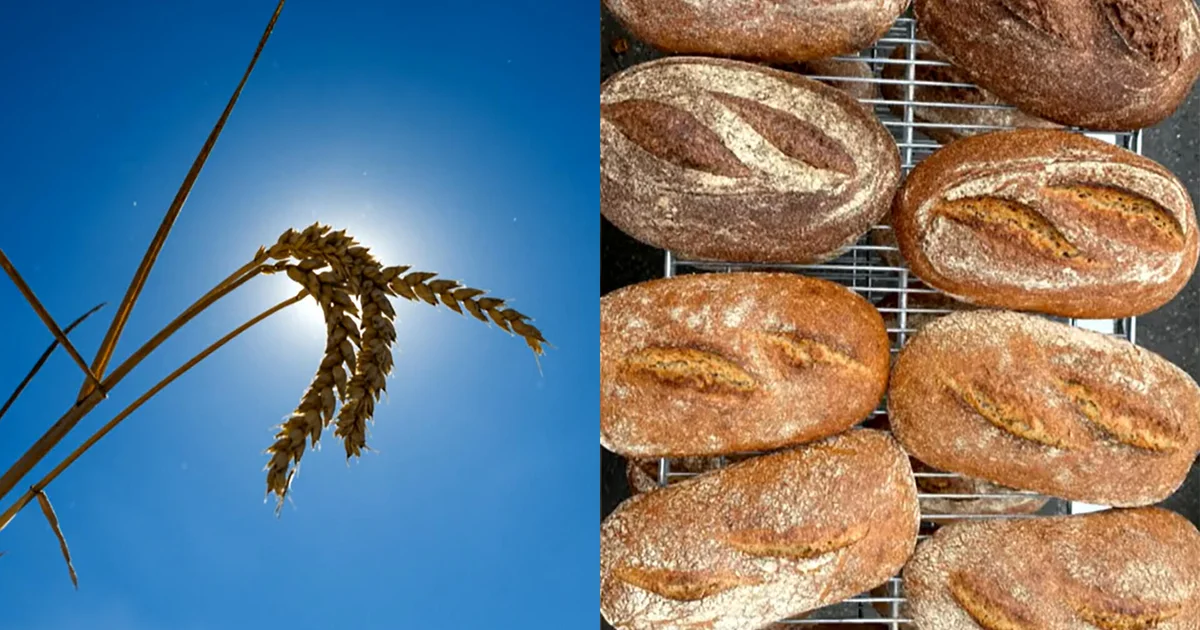
SouthernWorldwide.com – In a world increasingly focused on high-yield crops, the nutritional value and flavor of our staple grains, like wheat, have unfortunately declined. Over the past century, agricultural practices have prioritized quantity, leading to wheat strains that are less nutritious, less flavorful, and more susceptible to the challenges posed by climate change.
However, a dedicated group of researchers at Breadlab, a specialized facility at Washington State University, are working to reverse this trend. Their mission is to cultivate and breed new varieties of whole grains that offer significant benefits not only to farmers but also to consumers, and crucially, to our taste buds.
David Pogue, in his reporting, highlights the critical work being done at Breadlab. The researchers are not just focusing on a single aspect of the grain; they are aiming for a holistic improvement. This means developing wheat that is easier and more profitable for farmers to grow, more beneficial for human health, and ultimately, more enjoyable to eat.
The challenge is substantial. Modern wheat varieties are the result of extensive breeding programs that have, over decades, selected for traits like disease resistance, transportability, and high yield. While these were important goals, they often came at the expense of other vital qualities.
For instance, the process of milling wheat to create white flour removes the bran and germ, which are packed with essential nutrients and healthy fats. This refined flour is what dominates the market, but it leaves behind a grain that is significantly less wholesome.
The team at Breadlab is going back to the roots, quite literally. They are exploring ancient wheat varieties and landraces, which often possess a richer nutrient profile and more complex flavors. By carefully cross-breeding these older strains with modern varieties, they aim to combine the best of both worlds.
Read more : First Annual Berkshire Hathaway Meeting Without Warren Buffett
Their work involves meticulous genetic analysis and controlled growing environments. They are looking for specific genes that contribute to nutrient density, such as higher levels of protein, fiber, vitamins, and minerals.
Furthermore, flavor is a key component of their breeding strategy. Many people find whole wheat bread bland or bitter. Breadlab is actively working to develop varieties that have a naturally sweeter, nuttier, and more complex taste, making whole grain products more appealing to a wider audience.
The implications of this research extend beyond the dinner table. By developing wheat varieties that are more resilient to environmental stresses like drought and extreme temperatures, Breadlab is contributing to food security in an era of increasing climate volatility.
Farmers are particularly interested in these developments. Grains that are easier to grow, require fewer chemical inputs, and command a premium price due to their superior quality can significantly improve their livelihoods.
The project is also fostering a renewed appreciation for the diversity of wheat. For centuries, wheat has been a cornerstone of human civilization, and its story is deeply intertwined with our own. Rediscovering and improving these ancient grains is a way of reconnecting with that heritage.
Pogue’s report emphasizes that the journey from seed to loaf is a complex one, and the success of Breadlab’s efforts could have a profound impact on the future of food. By prioritizing nutrition, flavor, and sustainability, they are not just breeding better wheat; they are cultivating a better future for our food systems.
The researchers understand that consumer acceptance is crucial. Therefore, they are not only focused on the science of breeding but also on educating the public about the benefits of whole grains and the delicious possibilities that lie within these improved varieties.
As these new wheat strains begin to make their way from the laboratory to the farm and eventually to our kitchens, we may soon be experiencing bread that is not only healthier and more resilient but also significantly more satisfying to eat.
The work at Breadlab serves as a powerful reminder that innovation in agriculture can and should focus on enhancing the intrinsic qualities of our food, ensuring that the grains that nourish us are as good for the planet and our bodies as they are for our palates.
This initiative is a beacon of hope in the ongoing effort to create a more sustainable and nutritious food supply, demonstrating that a return to diversity and a focus on quality can yield remarkable results.
The researchers at Breadlab are proving that it is possible to breed a better bread by focusing on the whole grain, from its genetic makeup to its final taste, and considering the entire ecosystem it thrives within.
Their dedication to reviving and enhancing ancient grain varieties offers a compelling vision for the future of agriculture, one where nutritional value and flavor are not sacrificed for yield but are instead integral components of successful crop development.