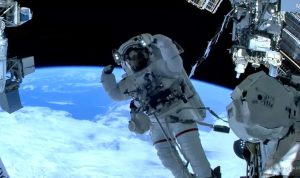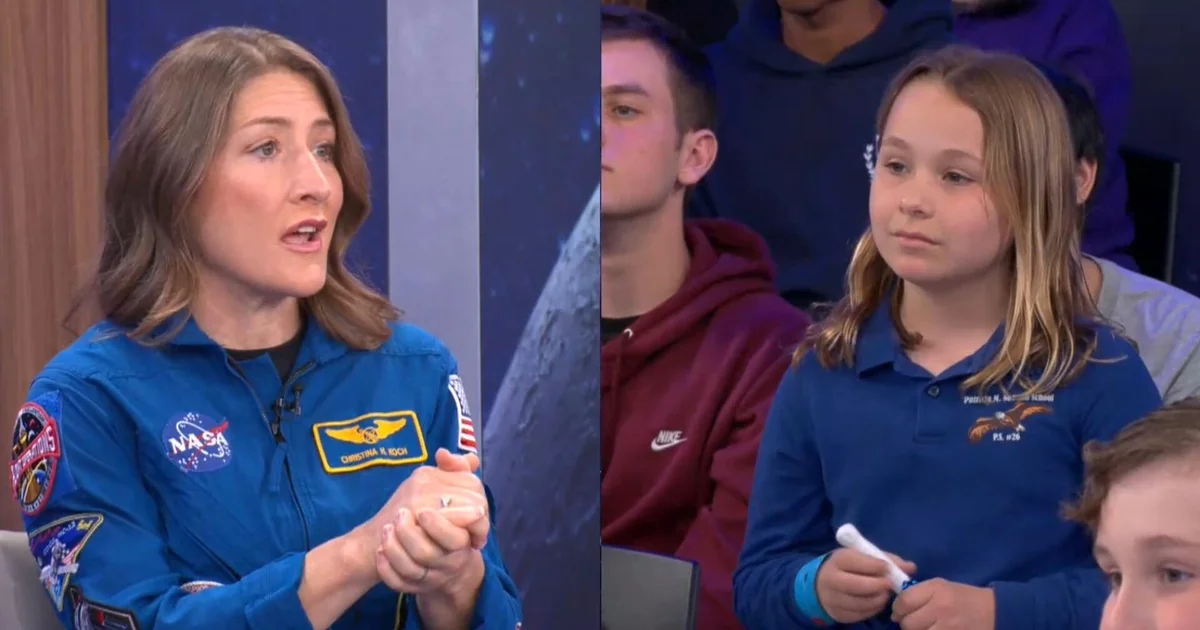
SouthernWorldwide.com – Astronauts from NASA’s Artemis program recently engaged with students, sharing insights into their experiences in space, including the unique challenges of hygiene and the aspirations for future space exploration. The astronauts provided a candid look into life aboard the International Space Station (ISS), addressing questions ranging from practicalities like showering to the broader dreams of humanity’s reach into the cosmos.
One of the more curious questions from the students revolved around the concept of “bird bath” showers in space. Astronauts explained that traditional showering as we know it on Earth isn’t feasible in microgravity due to water dispersal. Instead, they rely on specially designed wash stations that use a waterless soap or a rinse-free body wash. Astronauts typically use a washcloth or wipes to clean themselves.
The astronauts described the process of using these methods, emphasizing the need for careful handling of water and waste. They detailed how water is recycled on the ISS, making every drop precious. This meticulous approach to hygiene is a stark contrast to the abundance of water we often take for granted on Earth.
Beyond the practicalities of daily life, the conversation delved into the astronauts’ personal motivations and visions for space exploration. Many expressed a profound sense of wonder and a deep desire to push the boundaries of human knowledge and presence in space.
The dream of space exploration, for these astronauts, is not just about scientific discovery but also about inspiring future generations. They spoke passionately about the importance of STEM education and encouraged students to pursue careers in fields that contribute to our understanding and expansion into space.
The astronauts also touched upon some of the less glamorous aspects of space travel, including occasional equipment malfunctions. One astronaut humorously recounted an incident involving a toilet malfunction, highlighting the ingenuity and quick thinking required to resolve such issues in a confined environment.
These candid discussions provided students with a realistic yet inspiring glimpse into the lives of astronauts. The experiences shared underscore the dedication, resilience, and scientific curiosity that drive space exploration forward.
The Artemis program, which aims to return humans to the Moon and eventually establish a sustainable lunar presence, represents a significant leap in humanity’s journey into space. The astronauts involved are at the forefront of this endeavor, bringing with them a wealth of knowledge and a shared vision for the future.
Their insights into the daily routines, the challenges overcome, and the overarching goals of space missions are invaluable for students considering similar paths. The astronauts’ commitment to sharing their experiences serves as a powerful reminder of the human element behind the technological marvels of space exploration.
The dream of exploring the cosmos is a collective one, and the Artemis astronauts emphasized that every individual, regardless of their field, can contribute to this grand vision. Whether through scientific research, engineering, education, or simply fostering a sense of curiosity, the pursuit of knowledge beyond Earth is a shared human endeavor.
The astronauts also spoke about the unique perspective gained from viewing Earth from space. They described it as a humbling experience that fosters a deep appreciation for our planet and a sense of responsibility for its preservation.
This connection with students is a vital part of the space program’s outreach efforts. By demystifying space travel and sharing personal stories, astronauts can ignite a passion for science and exploration in the next generation of pioneers.
Read more : Bill Nye Explains Artemis II Mission Through Experiments
The challenges of living and working in space, from the “bird bath” showers to the complex machinery, are met with rigorous training and a constant drive for innovation. The astronauts’ ability to adapt and thrive in such an environment is a testament to human resilience and scientific advancement.
The dream of space exploration is multifaceted, encompassing scientific discovery, technological innovation, and the fundamental human desire to explore the unknown. The Artemis astronauts embody this spirit, carrying the hopes and aspirations of humanity as they venture further into the final frontier.
Their message to aspiring astronauts and scientists was clear: embrace curiosity, pursue knowledge relentlessly, and never stop dreaming of what lies beyond. The future of space exploration depends on the passion and dedication of individuals who are willing to push the limits of what is possible.
The astronauts’ willingness to be so open about their experiences, including the minor inconveniences like the toilet malfunction and the unique hygiene practices, makes their journey relatable and inspiring. It humanizes the extraordinary feats they accomplish.
The Artemis program is paving the way for a new era of space exploration, and the insights shared by these astronauts are crucial for building public understanding and support. Their passion for their work is infectious, offering a compelling look at what it takes to be a modern-day explorer.
Ultimately, the dream of space exploration is a powerful motivator, pushing us to innovate, collaborate, and reach for the stars. The Artemis astronauts are not just carrying out missions; they are carrying forward a legacy of human curiosity and a vision for a future among the planets.
The students’ engagement with the astronauts demonstrates the enduring fascination with space travel. These interactions are crucial for cultivating the next generation of scientists, engineers, and explorers who will continue to unravel the mysteries of the universe.
The astronauts’ advice for aspiring astronauts often centered on perseverance, a strong foundation in STEM, and the importance of teamwork. They stressed that space exploration is a collaborative effort, requiring diverse skills and perspectives.
The dream of seeing humanity establish a lasting presence on the Moon and eventually venturing to Mars was a recurring theme. This long-term vision fuels the current efforts and inspires the continued investment in space technology and research.
The Artemis astronauts’ commitment to sharing their experiences highlights the human side of space exploration, making the extraordinary accessible and relatable to a wider audience. Their candidness about everything from daily routines to technical challenges offers a comprehensive picture of life in orbit.
The future of space exploration is bright, thanks to the dedication of individuals like the Artemis astronauts who are willing to share their passion and knowledge, inspiring countless others to look up and dream big.