SouthernWorldwide.com – The founding of the United States was a remarkable endeavor undertaken by remarkably young individuals.
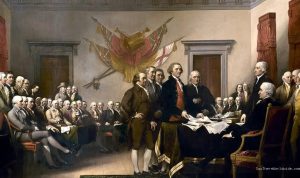
Alexander Hamilton was merely 21 when he left college to join the Continental Army. Betsy Ross was 24 when she is credited with sewing the first American flag. James Monroe was 18 and was wounded at the Battle of Trenton, while Thomas Jefferson was 33 when he penned the Declaration of Independence, pledging “our Lives, our Fortunes and our sacred Honor” to the cause of independence.
Jefferson’s words were incredibly radical for their time. The signers of the Declaration were committing treason against the most powerful empire in the world. They would have almost certainly paid with their lives had their revolution not succeeded.
Not only did they achieve independence, but they also accomplished something even rarer: they successfully established a new nation. History is replete with revolutions that promised liberty but devolved into tyranny, a fate the American Revolution avoided.
Instead, the founders established a new, self-governing nation. It’s noteworthy that James Madison, the chief architect of the Constitution, was 36 years old at the Constitutional Convention, and Alexander Hamilton was just 30.
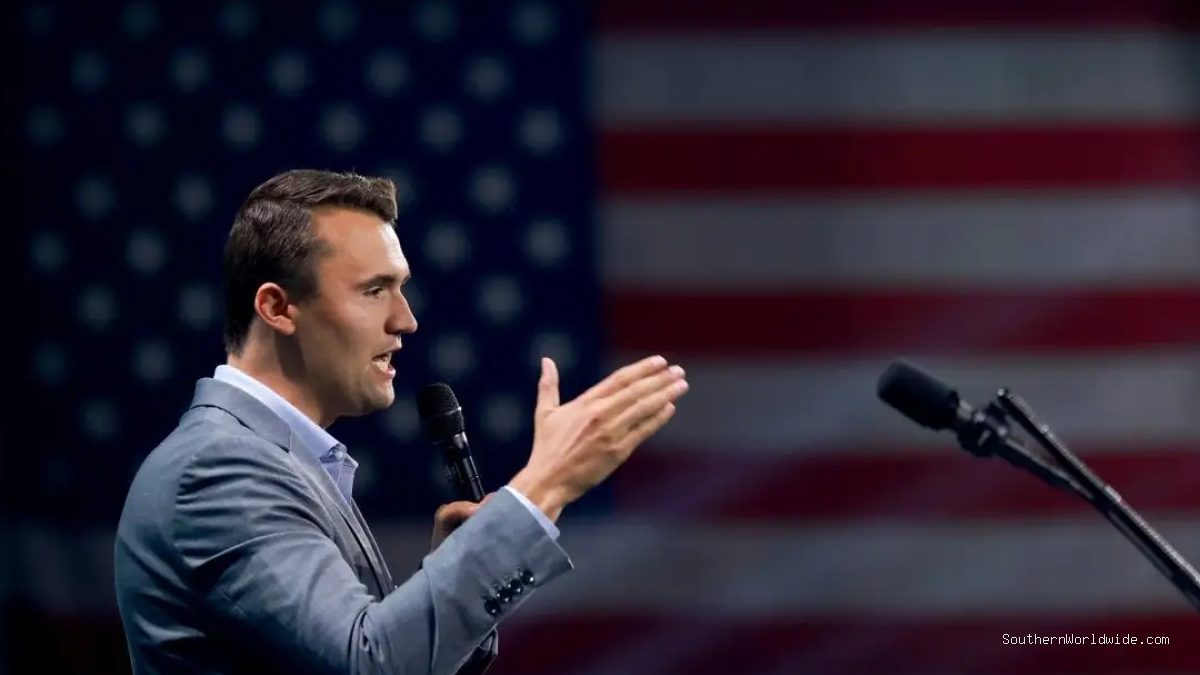
This historical context perhaps explains why America’s story has always resonated so deeply with the author. Her husband, Charlie, was 18 when he founded Turning Point USA. Like many young Americans throughout history, he never saw youth as a barrier to action.
While many young people ponder their own desires in life, Charlie focused on his God-given responsibilities. He dedicated his life to empowering the nation’s youth to embrace traditional American values, often stressing the importance of organizing one’s life through the lens of God, family, and country. Through divine grace, Charlie created something that is expected to endure well beyond his 31 years on Earth.
This spirit of contribution has always been the American way. Each generation of young people has been tasked with preserving, improving, and reviving the republic entrusted to them. The soldiers of the Civil War were largely in their early twenties, with many under eighteen. While “Saving Private Ryan” might suggest the American army at Normandy comprised men in their thirties and forties, the average soldier storming Omaha Beach was only 22 years old, not much older than many students involved with Turning Point USA.
The battlefield was not the only arena for American sacrifice. Others faced hostile frontiers, endured crippling economic downturns, and built new towns, railroads, and churches with their bare hands. Comfort and certainty have never been the bedrock of this nation’s narrative. Instead, its foundation is built upon the vision the founders established from the outset: that our rights originate from God, that liberty entails moral obligations, and that a free people must also be a virtuous people.
Generation after generation, Americans have lived out these founding principles. Their efforts are the reason why, on its 250th anniversary, America remains the wealthiest, most powerful, most generous, freest, and most innovative nation the world has ever known.
Yet, despite all that Americans have inherited, national pride among many young people has reached historic lows. There are understandable reasons for this. College has become prohibitively expensive, homeownership seems unattainable, and well-paying jobs are scarce.
However, this is not solely a crisis of opportunity but also a crisis of values. Modern culture often encourages individuals to view life primarily through the lens of personal fulfillment. Duty, service, and sacrifice have been supplanted by self-expression, with the self replacing God as the focal point of life. Ironically, and predictably, Americans feel less free and significantly less happy.
Every generation has faced its own set of challenges, and this generation is no different. The question confronting young people today is how to address these issues. America has never been a nation for the angry or the aggrieved; it is a nation that rewards the determined, the resilient, and those who strive to improve things for themselves and their descendants.
If young Americans are experiencing difficulties today, they are in good company. Imagine being under fire at Bunker Hill or raising a family on a ruined farm during the Dust Bowl. Every American generation has been tested, and these tests have consistently revealed the best of their character.
The author’s optimism stems from meeting young men and women who are passionate not only about their faith but also about the traditional American values that Charlie embodied. They are striving to contribute to something greater than themselves.
Every campus visit and student event serves as a reminder that the American spirit is alive and well. This is a testament to Charlie’s ability to see something in young people that many others overlooked: a yearning for truth, purpose, faith, and a country worth saving.
The first 250 years of America represent the most significant period of achievement by any people in human history. No nation has been more richly blessed by Almighty God. The next 250 years will undoubtedly bring their own challenges, which is a positive aspect. However, it is crucial to remember that reaching this point was not without its trials, and those challenges ultimately made the nation stronger.
The author’s prayer is that, in the face of present and future difficulties, America’s young men and women will continue to embrace the same faith, courage, responsibility, and sacrifice that built this nation. May they prove themselves worthy of the inheritance they have received. And may future generations of Americans, 250 years from now, look back on this generation and say that they, too, answered the call.
Happy Birthday to the Land of the Free. We are so blessed.